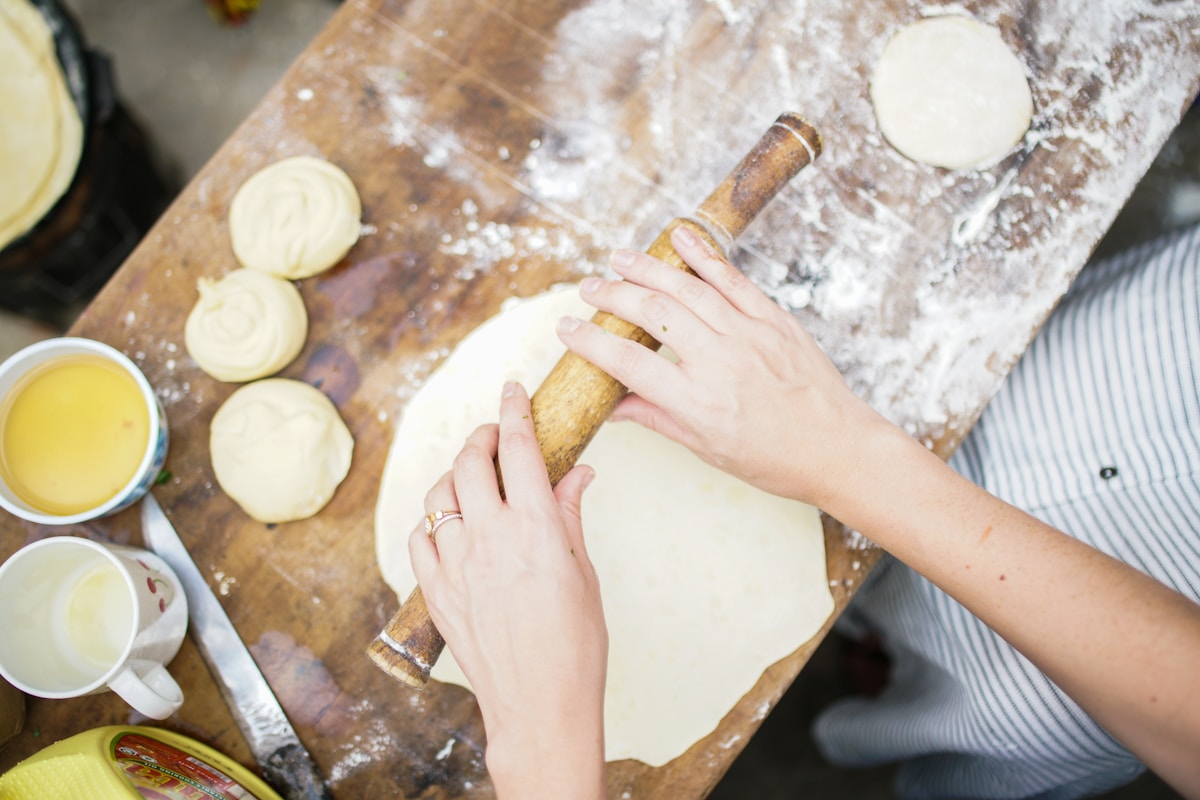
A rainy autumn evening calls for warm chicken pot pie. Your 4-year-old wants to help – you worry about safety and mess. Here is how to make it together, step by step.
Key Takeaways
- Use leftover roasted chicken and store-bought crust to keep prep simple and safe.
- Assign tactile tasks: rinsing vegetables, mashing potatoes, pressing cookie cutters into dough.
- Set up a kid-friendly station with pre-measured ingredients to minimize mess.
- Adult handles hot filling; child arranges dough cutouts and brushes on egg wash.
- Celebrate the process, not perfection – the shared experience builds confidence.
Why Chicken Pot Pie Is the Perfect Family Cooking Project
Leftover roasted chicken saves time and gives you a head start. Store-bought pie crust cuts out the tricky rolling and keeps the focus on the fun parts. The recipe offers a variety of low-risk tasks that hold a preschooler’s attention: rinsing, mashing, cutting shapes, and sprinkling.
This meal also builds confidence. When your child sees their dough cutouts on top of the golden pie, they feel proud. The comforting result makes everyone happy, even if the crust isn’t perfect.
Set Up for Success: Prep Ingredients Ahead
Prepping ahead is the secret to a smooth cooking session with a 4-year-old. Pre-measure all ingredients and pre-chop vegetables so your child focuses on one or two actions. For example, have the carrots, peas, and cooked chicken already measured in bowls.
Create a kid-friendly station: a sturdy step stool at the counter, a clean work surface, and a small apron. Wash hands together and review a simple safety rule: keep fingers away from sharp tools and hot surfaces. Set out a small bowl of flour for dipping cutters and a clean pastry brush for egg wash.
Kid-Safe Tasks for a 4-Year-Old
The best tasks for a 4-year-old are ones that are tactile and safe. Here are specific jobs your child can do:
- Rinsing vegetables: Let your child run cold water over the carrots and peas in a colander. They can swish them with their hands. This is a great sensory activity.
- Mashing boiled potatoes: Use a potato masher and supervise to avoid splashes. Your child can press down firmly while you hold the bowl steady.
- Pressing cookie cutters into dough: Roll out store-bought pie crust on a lightly floured surface. Give your child small cookie cutters (star, heart, leaf shapes work well). They can press and lift the cutouts. Accept that some may be wobbly.
- Placing cutouts on the pie: After you fill the dish, let your child arrange the dough shapes on top. They can make a pattern or scatter them. This is their design moment.
- Sprinkling: Offer a small bowl of herbs, cheese, or salt. Your child can pinch and sprinkle over the filling before the crust goes on. Gentle sprinkling takes concentration.
Mix up the tasks to keep interest. If your child finishes one job, move to the next. You can also let them stir a small bowl of water or tear lettuce for a side salad as a backup activity.
Assembling the Pot Pie as a Team
Now you work together. You handle the hot parts: sautéing the vegetables, stirring the creamy sauce, and combining the filling. Keep the hot pan out of reach. Let your child watch from a safe distance.
Once the filling is ready, pour it into a baking dish. Let it cool slightly before inviting your child to arrange the dough cutouts. Provide a pastry brush with egg wash (one egg beaten with a splash of water). Guide their hand as they brush the tops of the cutouts for a golden shine.
Celebrate the teamwork: “Look, you made the design all by yourself!” This builds pride and makes them eager to help again next time.
Baking and Celebrating Together
You handle the oven. Set the temperature to 400°F. Let your child watch through the glass door as the pie turns golden and bubbly. Explain that the heat is what makes the dough puff up. Stay nearby and remind them to keep back when you open the oven.
While the pie cools, give your child a simple job: set the table or draw a menu card. They can place napkins, forks, and a small card that says “Today’s special: Chicken Pot Pie by [child’s name].” This extends the feeling of accomplishment.
When you serve the pie, praise your child’s contribution. “You made the star shapes on top – that’s why it looks so pretty!” Even if the crust cracks or the filling bubbles over, the memory of cooking together matters more.
Common Concerns and Quick Tips
Mess management: Spread newspaper or a towel on the counter. Accept a little flour on the floor. Keep a damp cloth nearby for sticky hands. The mess is part of learning.
Raw dough handling: Raw flour and raw eggs can carry pathogens. Remind your child not to touch their face or mouth while working with dough. Wash hands thoroughly after playing with dough. Consider using pasteurized eggs for the egg wash.
Loss of interest: Have a few backup tasks ready. A small bowl of water with a whisk, a few lettuce leaves to tear, or a silicone spatula to lick (once the batter is safe) can reset their attention. Keep the mood light.
FAQ
1. What if my 4-year-old doesn’t want to help with the dough? Let them choose an alternative task like rinsing vegetables or mashing potatoes. The goal is participation, not perfection. Offering a choice gives them ownership.
2. Can I use homemade pie crust instead of store-bought? Yes, but homemade dough is more delicate. Roll it out a little thicker and chill it well first. This makes cutter-pressing easier for little hands. Welcome cracks – they can be patched with extra dough.
3. How do I keep my child safe near the oven during baking? Establish a “hot zone.” Use painter’s tape on the floor to mark a line your child cannot cross. Or simply have your child step back when you open the oven. Use the glass door as a window for watching. Never let them touch the oven door.
Cooking with a 4-year-old takes patience, but the payoff is huge. You share a meal you made together, and your child learns skills that last a lifetime. Whether the cutouts are perfect or the crust is a little lopsided, the real success is the time you spent side by side.