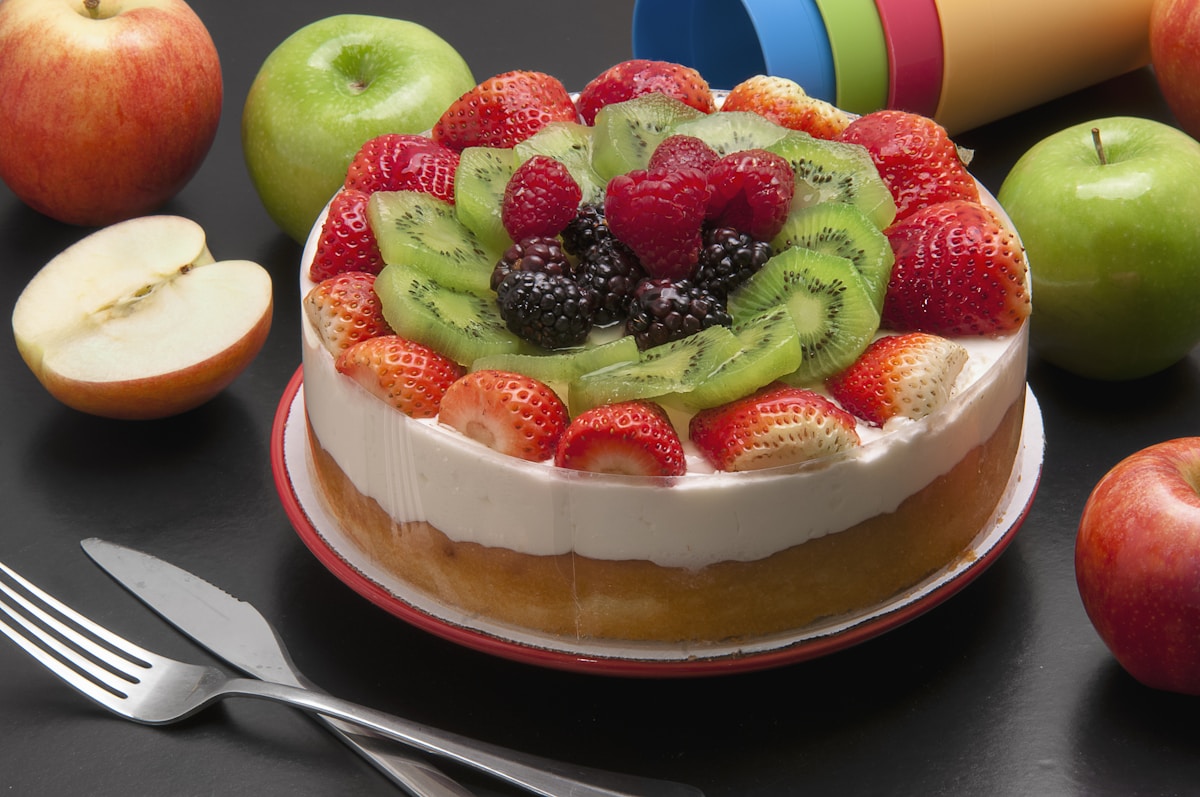
It’s a moment every parent knows. You ask your little one, beaming with excitement, “What kind of birthday cake do you want this year?” You’re expecting to hear “chocolate” or “vanilla.” Instead, you get a wonderfully specific, straight-from-the-imagination answer. Maybe it’s “purple strawberry” or, like a parent I recently heard from, a very determined request for a “strawberry banana cake.”
My heart just melts at moments like these. It’s pure, unfiltered joy! But my practical kitchen brain immediately starts churning. How do you get real strawberry and banana flavor into a cake without turning it into a dense, soggy mess? Chunks of fruit can weep water and sink to the bottom. Artificial extracts can have a chemical aftertaste that sensitive little palates reject immediately.
For years, I’ve had a secret weapon for just this occasion, a trick that feels like pure kitchen magic but is actually wonderfully simple. The answer isn’t in the cake batter at all; it’s in what you do right after it comes out of the oven. We’re going to talk about the joy of the simple fruit syrup soak. It’s a game-changing technique that delivers intense, natural fruit flavor and creates the most incredibly moist cake your family will ever taste. (Yes, really.)
Why a Fruit Syrup is a Parent’s Secret Weapon
Before we roll up our sleeves, let’s talk about why this method is so perfect for kids’ cakes. When you’re baking for little ones, you’re aiming for a few key things: delicious flavor they’ll actually recognize and love, a wonderfully soft texture, and ingredients you can feel good about. A fruit syrup soak checks all those boxes.
First, let’s consider the alternatives. Adding fruit puree directly into the cake batter can be tricky. It changes the liquid and sugar content, which can throw off the entire recipe. You risk a cake that’s too dense, too gummy, or one that refuses to bake through in the middle. Adding chunks of fresh fruit, like diced strawberries, can create wet pockets and cause the cake to fall apart when you try to slice it. (And we all know a crumbling slice of cake is a toddler-level tragedy.)
Artificial flavorings are the easy way out, but they often miss the mark. That bottle of “strawberry extract” rarely tastes like a sun-ripened berry from the garden. Kids have an amazing knack for sniffing out things that taste “fake.”
A fruit syrup, however, is different. By gently simmering fresh fruit with a little sugar and water, you extract all of its pure, delicious essence into a liquid. When you brush this syrup over a warm cake, it soaks right into the crumb, infusing every single bite with authentic fruit flavor. It doesn’t just sit on top; it becomes part of the cake itself.
The benefits are threefold:
- Intense, Natural Flavor: You get the true taste of strawberry, banana, peach, or raspberry—whatever your child desires. It’s a flavor they already know and love from their snack time fruit bowls.
- Unbelievable Moistness: This is the secret to a cake that stays soft and tender for days. The syrup adds moisture without making the cake heavy or waterlogged. Say goodbye to dry, crumbly birthday cake forever!
- Perfect Texture: Because you’re not adding solids to the batter, your cake’s structure remains flawless. It will be light, springy, and hold its shape beautifully for frosting and decorating.
It’s a simple, elegant solution that elevates a basic cake into something truly special. Your future self, calmly slicing perfect, moist pieces of cake, will thank you.
The Perfect Canvas Your Go-To Vanilla Sponge Cake
You can’t paint a masterpiece without a good canvas. For our fruit syrup, we need a cake that’s sturdy enough to hold its shape but tender enough to act like, well, a sponge! This recipe is my go-to. It’s buttery, flavorful on its own, and has the perfect crumb for soaking up all that fruity goodness. It’s often called a “butter cake” and is more forgiving than a traditional, airy sponge.
Beatrice’s Reliable Vanilla Butter Cake
This recipe makes two 8-inch or 9-inch round cake layers.
Ingredients:
- 2 ½ cups (300g) all-purpose flour (a brand like King Arthur Flour or even a store brand works great)
- 2 ½ teaspoons baking powder
- ½ teaspoon salt
- 1 cup (227g or 2 sticks) unsalted butter, softened to room temperature
- 1 ¾ cups (350g) granulated sugar
- 4 large eggs, at room temperature
- 1 tablespoon pure vanilla extract
- 1 cup (240ml) whole milk, at room temperature
Instructions:
- Prep Your Station: Preheat your oven to 350°F (175°C). Grease and flour two 8-inch or 9-inch round cake pans. For extra insurance, I always line the bottom with a circle of parchment paper.
- Combine Dry Ingredients: In a medium bowl, whisk together the flour, baking powder, and salt. This helps distribute the leavening agents evenly, which is key for a level cake.
- Cream Butter and Sugar: In a large bowl with a stand mixer (or a hand mixer), beat the softened butter and sugar together on medium-high speed for a good 3-5 minutes. You want it to look light, pale, and fluffy. This step whips air into the butter, which is critical for a light texture.
- Add Eggs and Vanilla: Add the eggs one at a time, beating well after each addition until it’s fully incorporated. Scrape down the sides of the bowl as needed. After the last egg is mixed in, beat in the vanilla extract.
- Alternate Wet and Dry: Turn the mixer down to low speed. Add the flour mixture in three parts, alternating with the milk in two parts. Begin and end with the dry ingredients (Flour, then Milk, then Flour, then Milk, then Flour). Mix only until the last streaks of flour disappear. Over-mixing develops gluten and can make the cake tough!
- Bake to Perfection: Divide the batter evenly between your prepared pans and smooth the tops with a spatula. Bake for 30-35 minutes, or until a wooden skewer or toothpick inserted into the center comes out clean. The cake tops should be golden and spring back when you gently press them.
- Cooling is Key: Let the cakes cool in their pans on a wire rack for about 10-15 minutes. Then, carefully run a knife around the edges and invert them onto the rack to cool completely. For the syrup soak, you’ll want them to be just slightly warm to the touch, not hot and not cold.
Crafting Your Magical Fruit Syrup A Strawberry Banana Adventure
Now for the star of the show! This syrup is where the magic happens. We’ll use the strawberry-banana request as our guide, but you can easily adapt this method for other fruits like raspberries, peaches, or blueberries. The key is to use ripe, flavorful fruit.
Fresh Strawberry Banana Syrup
Ingredients:
- 1 cup (about 150g) fresh strawberries, hulled and roughly chopped
- 1 large ripe banana, mashed (the riper, the better!)
- ½ cup (100g) granulated sugar
- ¾ cup (180ml) water
- 1 teaspoon fresh lemon juice (this brightens the flavors and helps prevent the banana from browning)
Instructions:
- Combine Ingredients: In a small saucepan, combine the chopped strawberries, mashed banana, sugar, and water. Give it a gentle stir.
- Simmer Gently: Place the saucepan over medium heat and bring the mixture to a simmer. As it heats up, the sugar will dissolve and the fruits will start to break down and release their juices.
- Cook and Mash: Let the syrup simmer gently for about 10-15 minutes. Stir it occasionally, and use the back of your spoon or a potato masher to gently press down on the fruit to help it break down further. The liquid will take on a beautiful rosy hue.
- Strain for Pure Flavor: Place a fine-mesh sieve over a heatproof bowl or measuring cup. Carefully pour the hot fruit mixture into the sieve. Use a spoon to press down firmly on the fruit solids, squeezing out every last drop of flavorful syrup. You should be left with a clear, beautiful liquid.
My Favorite Kitchen Hack: Don’t throw away that fruit pulp left in the sieve! It’s pure gold. Let it cool and swirl it into your morning yogurt or oatmeal, or spread it on toast. It’s a delicious bonus treat, and nothing goes to waste.
Let the syrup cool for a few minutes before you use it. You want it to be warm, not piping hot.
The Soaking Technique How to Infuse Your Cake
With your slightly warm cake layers and your warm syrup, you’re ready for the final, transformative step. This part is so satisfying.
- Level Your Cakes (Optional but Recommended): If your cake layers have a dome on top, use a long serrated knife to carefully slice off the top, creating a flat surface. This helps the layers stack neatly and provides a perfect surface for the syrup to soak in evenly.
- Set Up Your Station: Place your first cake layer, cut-side up, on a plate or a cooling rack with a baking sheet underneath to catch any drips.
- Brush on the Goodness: Using a pastry brush (or just a regular spoon), generously apply the warm fruit syrup all over the surface of the cake layer. Don’t be shy! You want to use about half of the syrup on this layer. Pay special attention to the edges, which tend to be the driest part of a cake.
- Let it Soak: Give the syrup a few minutes to soak in. You’ll see the cake’s surface go from shiny and wet to glistening and damp. That’s the magic happening!
- Repeat: Place the second cake layer on top and repeat the process, brushing the remaining syrup all over the top surface.
- Patience is a Virtue: Let the assembled, soaked cake sit for at least 30 minutes before you even think about frosting it. This allows the syrup to fully permeate the crumb, ensuring every bite is moist and flavorful.
Frosting and Finishing Touches
A cake this flavorful doesn’t need to be hidden under a mountain of sugary buttercream. The goal is to complement the fruit, not overpower it. A simple cream cheese frosting is my absolute favorite pairing here. Its slight tanginess cuts through the sweetness and beautifully echoes the fruit flavors.
A simple stabilized whipped cream is another fantastic option, especially if you’re decorating with fresh berries. It keeps the whole dessert feeling light and fresh.
When you slice into that cake, you’ll see the beautiful, even crumb. And when you take that first bite, you’ll be met with the unmistakable taste of real fruit. Best of all, you’ll see the look on your child’s face when they taste the “strawberry banana” cake they dreamed of, made with love, right from your kitchen. Those are the memories that are truly worth the mess. (And there will be mess, and that’s more than okay.)