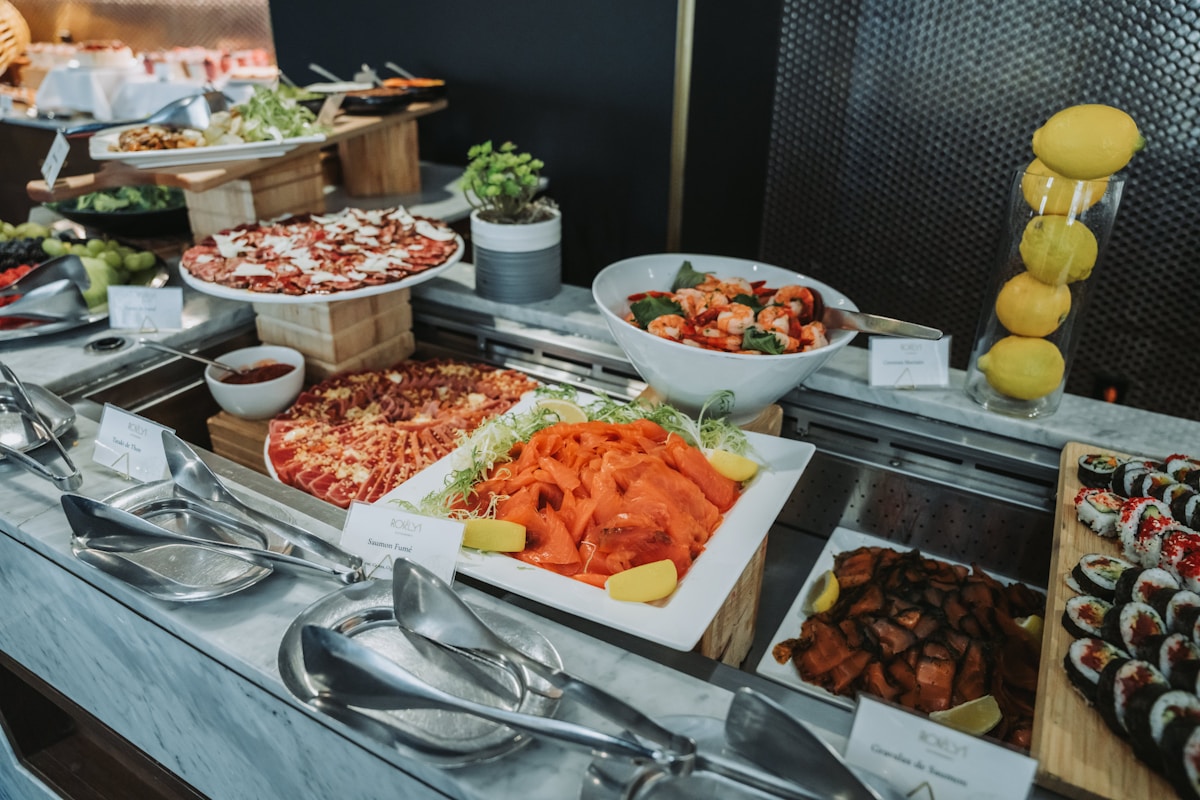
There’s a special kind of modern panic that sets in after you’ve sent out invitations for a big gathering. It’s not the fear of running out of ice or seating. It’s the slow trickle of texts and emails that follow the RSVPs. “So excited! Just a heads-up, Maya is gluten-free.” Then another, “Can’t wait! By the way, we’re vegan now.” And finally, “FYI, little Leo has a serious nut allergy.”
Suddenly, your famous one-pot lasagna or hearty beef chili, dishes designed to unite a crowd, feel like culinary minefields. Your dream of a single, celebrated centerpiece dish shatters. How can you possibly create a meal that is safe, delicious, and inclusive for everyone without turning your kitchen into a short-order restaurant cooking 15 different meals?
This is a challenge of modern hospitality, a beautiful puzzle that asks us how we can best show care through food. The answer, thankfully, doesn’t lie in more work, but in a smarter, more elegant approach borrowed from the world of professional catering. It’s a method that turns potential chaos into a joyful, interactive feast.
The Hospitality Trap Why One-Pot Meals No Longer Work
For generations, the pinnacle of home entertaining was the grand communal dish. Think of a bubbling pot of stew, a massive Thanksgiving turkey with shared stuffing, or a creamy, cheesy casserole passed around the table. These dishes tell a story of togetherness, of a shared pot and a shared experience. But as our understanding of food allergies and dietary needs has grown, so have the risks associated with these wonderful traditions.
The danger lies in the hidden ingredients and the invisible threat of cross-contamination. A sauce might be thickened with flour (gluten), a vegetable stock might contain unexpected dairy derivatives, or a single spoon dipped into a nut-based pesto and then into the salad can create a dangerous situation for an allergic guest.
When you try to accommodate restrictions as last-minute substitutions—making a small, separate gluten-free pasta on the side or quickly trying to scoop out a vegan portion before adding cheese—the risk of error in a busy kitchen skyrockets. It puts an immense amount of pressure on you as the host and can create anxiety for your guests, who may feel hesitant to trust that their dish is truly safe.
Embrace the Modular Menu A Caterer’s Secret Weapon
Professional chefs and caterers who manage events for hundreds of people have mastered this problem. They don’t cook dozens of individual meals. Instead, they think in components. They build a “modular” menu, where guests become the chefs of their own plates. This isn’t about laziness; it’s about ultimate safety, control, and customization.
A modular menu is built around a safe, neutral base that is naturally free from common allergens. From there, you offer a variety of separate, single-ingredient components—proteins, vegetables, sauces, and toppings—that guests can mix and match to suit their specific needs.
Imagine a beautiful long-grain rice, perfectly seasoned with herbs, that is naturally vegan and gluten-free. This is your canvas. Next to it, you place a bowl of slow-cooked pulled chicken. In another, a bowl of hearty, cumin-spiced black beans. Then, a rainbow of roasted vegetables, a vibrant salsa fresca, a creamy cilantro-lime sauce (made with a dairy-free base like cashews or coconut yogurt), and a small bowl of crumbled feta cheese on the side. Every single component is separate. The guest with celiac disease can enjoy everything but the flour tortillas. The vegan guest can build a hearty bowl of rice, beans, and veggies. The guest with a dairy intolerance can enjoy the creamy sauce without worry. Everyone is happy, and everyone is safe.
Building Your Delicious Modular Buffet Step-by-Step
Creating a modular buffet is surprisingly simple and allows you to focus on making each individual component taste amazing. Here’s a blueprint to get you started.
-
Choose Your Base (The Canvas): The foundation should be something that the vast majority of your guests can eat. It should be naturally vegan and gluten-free.
- Ideas: Fluffy quinoa, seasoned long-grain rice (white or brown), roasted potatoes tossed in olive oil and rosemary, or even a bed of mixed greens.
-
Provide a Protein Pair: Offer at least two protein options, typically one meat-based and one plant-based. Cook them separately with simple seasonings.
- Meat Ideas: Shredded chicken cooked in a simple broth, grilled steak strips, or seasoned ground beef.
- Plant-Based Ideas: Spiced black beans, roasted chickpeas (toss with olive oil and spices, roast at 400°F / 200°C until crispy), or baked tofu cubes.
-
Add a Rainbow of Vegetables: This is where the meal comes alive with color and nutrition. Keep them separate for maximum choice.
- Ideas: A platter of roasted vegetables like broccoli, bell peppers, and zucchini. A bowl of sautéed onions and peppers. A simple green salad with a vinaigrette on the side. Fresh components like diced tomatoes, shredded lettuce, and pickled red onions.
-
Feature Sauces & Toppings (The Fun Part): This is where you prevent the most cross-contamination. Every sauce and topping gets its own bowl and its own serving spoon. (Yes, really.)
- Sauces: Offer a variety. A classic tomato salsa, a dairy-free avocado-lime crema, a yogurt-based tzatziki, and a simple olive oil vinaigrette. Kitchen Hack: Always read the labels on store-bought sauces! Gluten, dairy, and nuts can hide in surprising places like soy sauce or spice blends.
- Toppings: This is where you isolate the major allergens. Put cheese, sour cream, toasted nuts, and crispy tortilla strips in small, clearly labeled, separate bowls, placed at the end of the line.
Inspired Ideas From Around the World
The beauty of the modular approach is that it’s not a compromise; it’s a globally celebrated way of eating. Many cultures have long built their feasts around the idea of assembling a personal plate from a variety of shared dishes.
-
The Taco & Burrito Bowl Bar: Drawing from Mexican tradition, this is the classic modular meal. A base of rice or greens, proteins like carnitas and black beans, and a vibrant spread of salsas, guacamole, cheese, and fresh cilantro.
-
The Mediterranean Mezze Platter: Think of a sprawling table filled with bowls of hummus, baba ghanoush, quinoa tabbouleh (using quinoa instead of bulgur for a gluten-free option), grilled chicken skewers, falafel, and baskets of warm pita and gluten-free crackers on separate plates.
-
The Bibimbap-Inspired Bowl: Based on the beloved Korean dish, you can offer a base of steamed rice and let guests top it with an array of separately prepared vegetables (namul), such as seasoned spinach, sautéed mushrooms, and julienned carrots, alongside a protein like bulgogi beef or pan-fried tofu. The sauces, gochujang and sesame oil, are added by each guest to their liking.
The Golden Rules of Labeling and Communication
Your final step to being the perfect host is clear communication. You’ve done the hard work of preparing safe food; now you need to make it easy for your guests to navigate.
-
Label Everything: Use small cards or a chalkboard to clearly label every single dish. Be specific. Instead of just “Creamy Sauce,” write “Cilantro-Lime Cashew Crema (Vegan, Dairy-Free).” If a dish contains a major allergen, state it clearly: “Toasted Almonds.”
-
One Dish, One Spoon: This is the most important rule. Every single bowl, platter, and dish on the buffet line must have its own dedicated serving utensil. This prevents a guest from accidentally dipping a spoon from the dairy-based sour cream into the vegan black beans.
-
Announce the Flow: As guests arrive, take a moment to walk them through the buffet. A simple, “Hi everyone, help yourselves! Everything is set up so you can build your own plate. The bases are here, proteins next, and all the toppings at the end are clearly labeled for you,” empowers them to eat confidently.
By embracing the modular menu, you shift your role from a stressed-out, short-order cook to a graceful conductor of a beautiful feast. You provide the delicious components, and your guests create the harmony. It’s a modern, thoughtful way to express the oldest form of hospitality—ensuring everyone you’ve invited to your table feels welcome, cared for, and, most importantly, safely and wonderfully fed.