


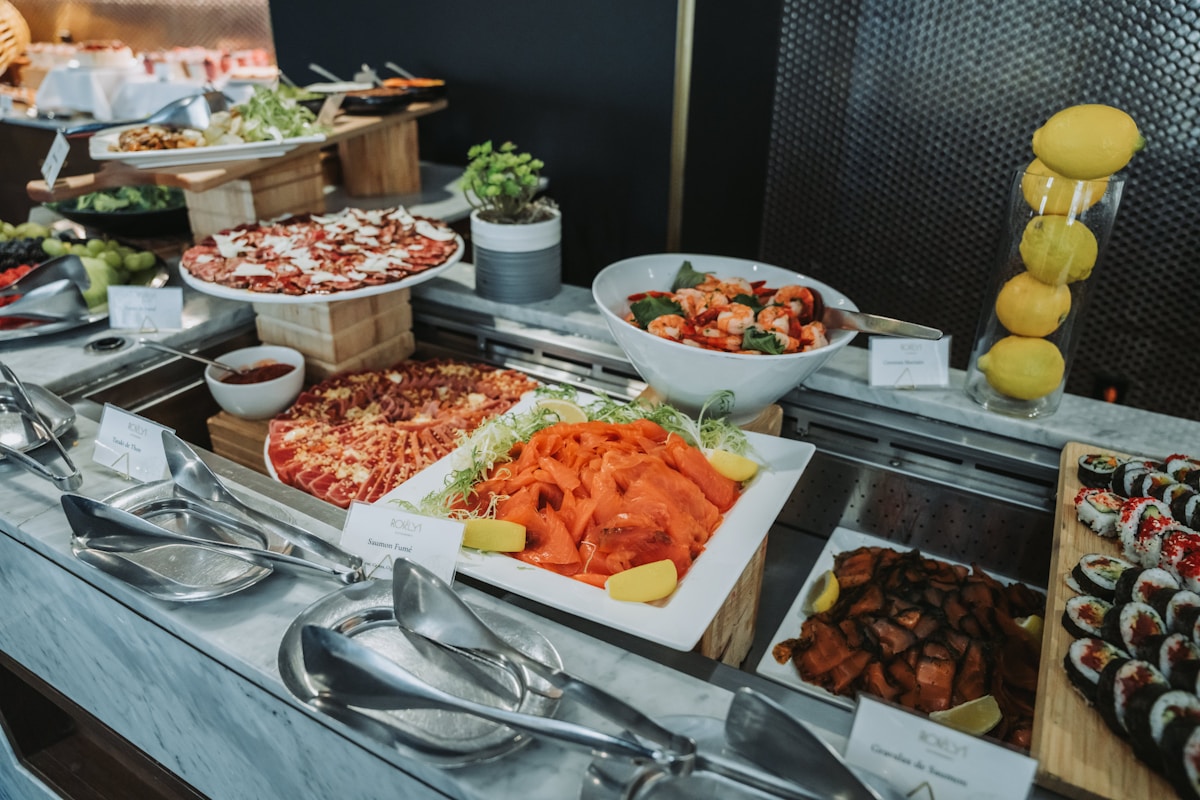
There’s a unique kind of panic that sets in when the RSVPs for a big dinner party or family gathering start rolling in. It’s not about the number of chairs or having enough wine; it’s the list of dietary notes that follows each ‘Attending.’ One guest is vegan, her partner is celiac, your cousin has a severe nut allergy, and your best friend just discovered a dairy intolerance. The joy of hosting can quickly curdle into logistical anxiety. Your mind races: do I need to make four separate meals? How do I prevent cross-contamination? Will anyone actually enjoy their food?
For generations, the act of feeding others has been a fundamental expression of love and community across every culture. The shared table is a sacred space where stories are told and bonds are forged. But in our modern world, that beautiful tradition can feel incredibly complicated. The temptation is to isolate these needs—to make a separate, often less exciting, plate for the ‘special’ guest. I’m here to suggest a different approach, one rooted in the true spirit of hospitality: instead of creating separate meals, let’s build one beautiful, abundant menu that almost everyone can enjoy together.
The Shift to Inclusive Hospitality
The old way of thinking involved creating a ‘standard’ meal and then tacking on substitutions. The result? The guest with the restriction often received a sad, microwaved veggie patty or a plain salad while everyone else enjoyed the main event. This not only makes them feel singled out, but it also creates a ton of extra work and stress in the kitchen. True hospitality isn’t about accommodation; it’s about inclusion.
The philosophy we’re embracing is ’naturally safe’ menu design. This means building your core dishes from ingredients that are inherently free of the most common allergens and restrictions: gluten, dairy, nuts, and animal products. By starting from this foundation, you aren’t removing things; you’re intentionally building a delicious experience that is welcoming by design. This approach minimizes the risk of cross-contamination and, more importantly, it allows all your guests to share in the same dishes, passing the same bowls and celebrating the same flavors. It transforms the meal from a logistical challenge into a shared cultural moment.
Building Your ‘Naturally Safe’ Menu Foundation
Designing a single, inclusive menu isn’t about limiting your options—it’s about making smart, creative choices. Think of it as a delicious puzzle. You need a few key components that work in harmony and satisfy a wide range of palates. Here is a blueprint for a successful spread.
1. The Hearty Plant-Based Star: This is non-negotiable. You need a vegan and gluten-free main dish that is so substantial and flavorful that even the most dedicated carnivores will want a scoop. This is not a sad plate of steamed vegetables. We’re talking about a showstopper.
- Ideas: A beautiful roasted acorn squash stuffed with a savory mix of quinoa, cranberries, mushrooms, and herbs. A rich, soul-warming lentil shepherd’s pie with a creamy sweet potato topping (made with olive oil or dairy-free butter instead of dairy). Or a vibrant black bean chili served with brown rice and a variety of toppings like avocado, cilantro, and dairy-free sour cream.
2. The Simple, High-Quality Protein: For the non-vegetarians, offer a protein that is simply prepared. This allows its quality to shine and keeps the seasoning clean and free from hidden allergens. By cooking it separately, you avoid cross-contamination.
- Ideas: Grilled chicken skewers marinated in lemon juice, olive oil, garlic, and herbs like oregano and thyme. A beautiful side of salmon, roasted at a high temperature (400°F / 200°C) for 12-15 minutes with just salt, pepper, and fresh dill. Avoid creamy sauces or breaded coatings.
3. The Sides That Unite Everyone: This is where the magic really happens. Your side dishes should be delicious, abundant, and naturally free of gluten, dairy, and nuts. This is easier than it sounds!
- Roasted Vegetables: You can never go wrong here. Toss broccoli, carrots, potatoes, and onions with olive oil, salt, pepper, and rosemary. Roast at 400°F (200°C) until tender and caramelized.
- A Vibrant Salad: Create a stunning salad with a mix of greens, seasonal fruit (like pear or pomegranate seeds), and a bright vinaigrette. (Kitchen Hack: Make your own dressing! It’s easy and ensures there’s no hidden dairy or gluten. Just whisk 3 parts olive oil, 1 part apple cider vinegar, a spoonful of Dijon mustard, and a touch of maple syrup.)
- A Hearty Grain: A simple bowl of perfectly cooked quinoa or wild rice, prepared with vegetable broth instead of water for extra flavor, is a perfect, neutral base for any plate.
Navigating Hidden Allergens and Kitchen Dangers
Creating a safe menu also means being a detective in your own pantry. Common allergens can hide in the most unexpected places. Awareness is your best tool for keeping your guests safe and happy.
- Gluten Traps: It’s not just in bread. Gluten can be found in many soy sauces (use tamari or coconut aminos instead), bouillon cubes, pre-made spice blends, and even some salad dressings. Always read the label!
- Dairy Detectives: Dairy can hide in marinades, some brands of sausage, and store-bought sauces. When cooking, use high-quality olive oil or a trusted dairy-free butter substitute like Miyoko’s Kitchen Cultured Vegan Butter.
- The Cross-Contamination Zone: This is the most critical part. To prevent accidental exposure, especially for severe allergies, you must be meticulous. Use separate cutting boards, knives, and serving utensils for your protein and your plant-based dishes. If you’re using a grill, clean it thoroughly or use a separate section for the different items. Don’t toss the salad in the same bowl you just used to marinate the chicken. (Your future self will thank you for being so careful.)
A Sample Inclusive Menu That Everyone Will Love
Let’s put this all together into a tangible menu. Imagine serving this at your next big get-together. It’s elegant, satisfying, and welcoming to all.
- Main 1 (Vegan/GF/Nut-Free): Roasted Red Pepper and Walnut Romesco Stuffed Bell Peppers. (Wait, walnuts are nuts! Let’s pivot.) Let’s do Black Bean & Corn Stuffed Bell Peppers, baked with a savory tomato-based sauce and topped with cilantro and avocado.
- Main 2: Simple Lemon-Herb Roasted Chicken Thighs.
- Side 1: Garlic and Rosemary Roasted Root Vegetables (potatoes, carrots, parsnips).
- Side 2: Arugula Salad with sliced apples, toasted pumpkin seeds (a great nut-free crunch!), and a maple-balsamic vinaigrette.
- Side 3: Fluffy Quinoa cooked in vegetable broth.
- Dessert: A beautiful platter of fresh seasonal fruit or a baked apple crumble made with a certified gluten-free oat and brown sugar topping, served with a coconut cream-based vanilla ice cream.
This menu doesn’t feel like a compromise. It feels like a feast. Every single dish is thoughtfully crafted to be enjoyed by nearly everyone at the table. The conversation won’t be about who can eat what; it will be about how delicious everything is. And that, at its heart, is the entire point of sharing a meal.


