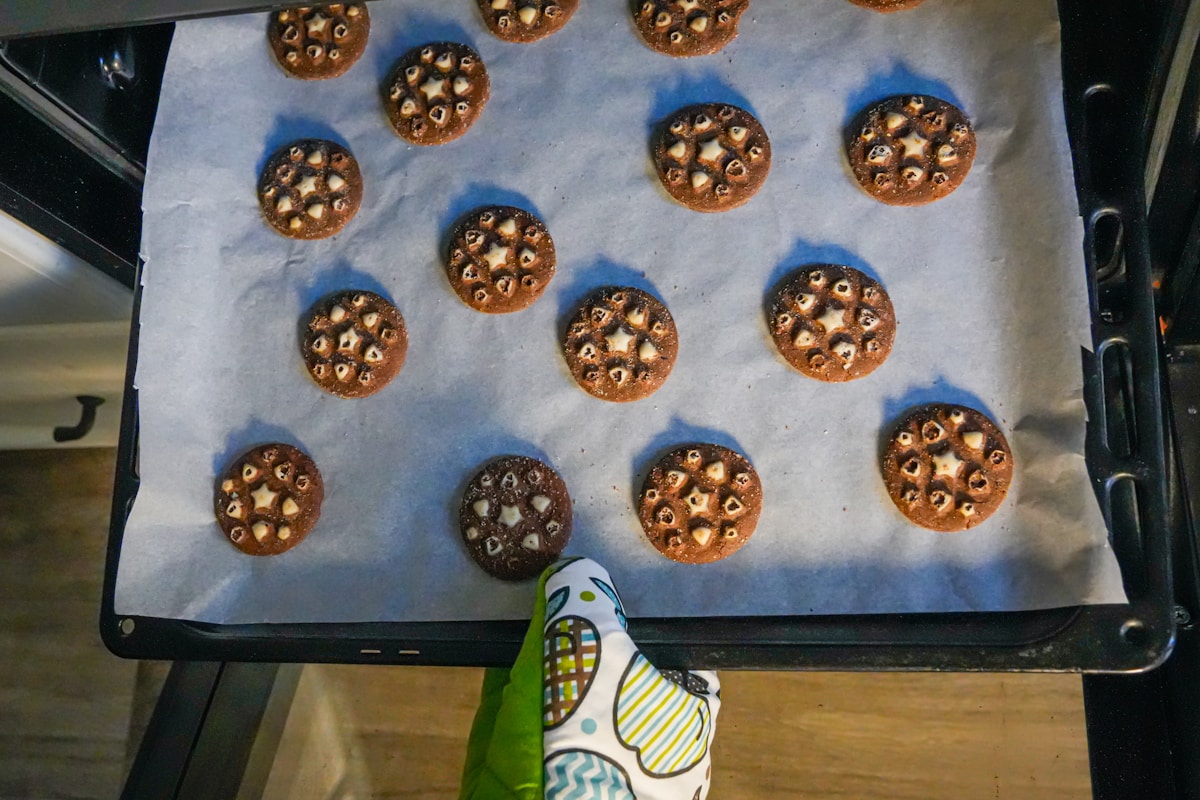
There’s a special kind of magic that happens when you pull a tray of warm, freshly baked cookies from the oven. The aroma fills the kitchen, a comforting cloud of butter, sugar, and vanilla. It’s a timeless ritual, one I cherish deeply. But recently, I’ve felt a new kind of excitement bubbling up, a desire to invite new stories and scents into my baking.
Have you seen them? The photos popping up online of cookies with a stunning violet hue, or a soft, earthy green, or even a dramatic, speckled black. These aren’t just food coloring tricks; they are gateways to a world of flavor that might be new to your cookie jar. We’re talking about the incredible ingredients from the modern Asian pantry, and they are ready to completely transform your favorite cookie recipes.
If you’ve ever felt that spark of curiosity but weren’t sure where to start, you’re in the right place. Let’s embark on a flavor journey together. It’s easier, more delicious, and more rewarding than you might imagine.
Your Flavor Field Guide Five Must-Try Ingredients
Stepping into a well-stocked Asian market can feel like entering a treasure trove of culinary possibilities. But you don’t need to be an expert to start experimenting. Many of these ingredients are now readily available online or in specialty food aisles. Let’s explore five foundational flavors that are wonderfully suited for baking.
1. Matcha (The Earthy Elegance)
If you’re a fan of green tea lattes, you’re already familiar with matcha. This finely ground powder of specially grown and processed green tea leaves offers a complex flavor that is at once grassy, slightly sweet, and pleasantly bitter. It imparts a beautiful, sophisticated green color to baked goods.
- Flavor Profile: Vibrant, umami-rich, with a vegetal sweetness.
- How to Use: For baking, you’ll want to look for “culinary grade” matcha. It’s more robust and affordable than the delicate “ceremonial grade” used for traditional tea ceremonies. Always sift matcha powder with your other dry ingredients (like flour and salt) to prevent clumps and ensure it distributes evenly.
- Perfect For: Shortbread, butter cookies, or rolled into sugar cookie dough. Its slight bitterness is a fantastic counterpoint to the sweetness of white chocolate chips.
2. Ube (The Vibrant Vanilla Cousin)
Ube (pronounced OO-beh) is a purple yam native to the Philippines, and it’s responsible for those breathtakingly violet desserts. It’s important to know it’s not the same as taro or the purple sweet potatoes you might find in your local supermarket. Ube has a wonderfully unique flavor.
- Flavor Profile: Mildly sweet, with hints of vanilla, coconut, and pistachio. It’s a gentle, mellow flavor that is very approachable.
- How to Use: Ube is most commonly found as an extract, a powder (from freeze-dried ube), or as ube halaya, a sweetened jam. For cookies, ube extract is the easiest entry point. Just a teaspoon or two can lend both its signature flavor and incredible color to your dough.
- Perfect For: Crinkle cookies, thumbprint cookies (filled with coconut jam), or soft, cakey cookies. Its flavor deepens beautifully with a little warmth from the oven.
3. Black Sesame (The Nutty Powerhouse)
This is a flavor that delivers drama and depth. While you’ve likely seen white sesame seeds on a hamburger bun, black sesame seeds have a much richer, toastier, and more intensely nutty flavor.
- Flavor Profile: Deeply nutty, toasty, and slightly bitter in a way that recalls dark chocolate or strong coffee.
- How to Use: You can find black sesame in several forms: whole roasted seeds, finely ground powder, and a thick, smooth paste similar to tahini. The ground powder is fantastic for incorporating directly into cookie dough, lending a striking dark grey, speckled appearance. The paste makes an incredible filling for thumbprint cookies or a swirl in brownies.
- Perfect For: Crinkle cookies, shortbread, and biscotti. It pairs wonderfully with citrus zest, like orange or lemon, which cuts through its richness.
4. Lychee (The Floral Surprise)
Lychee is a tropical fruit with a rough, pinkish-red rind and sweet, translucent flesh. Its flavor is a delicate dance of sweet, floral, and slightly tart notes that feels utterly enchanting.
- Flavor Profile: Sweet and aromatic, with strong notes of rose, grape, and pear. It’s a fresh, bright flavor.
- How to Use: Capturing this delicate flavor in baking can be tricky. The two best methods are using freeze-dried lychee powder, which is potent and mixes well into doughs and frostings, or a high-quality lychee extract. You can even find lychee-flavored jellies or jams to make a stunning frosting for simple sugar cookies.
- Perfect For: Delicate cookies like French macarons, linzer cookies with a lychee-jam filling, or a glaze for shortbread.
5. Pandan (The Vanilla of Southeast Asia)
Pandan is a tropical plant whose leaves are used extensively in Southeast Asian cooking. It has a complex and captivating aroma that has earned it the nickname “the vanilla of Southeast Asia,” though that almost undersells its unique character.
- Flavor Profile: A grassy, milky, and floral aroma with notes of vanilla, almond, and coconut all rolled into one. It’s comforting and exotic at the same time.
- How to Use: The most accessible form for bakers is pandan extract, which is bright green and intensely aromatic. A little goes a long way! Just half a teaspoon can perfume an entire batch of cookies. You can also find frozen pandan leaves, which can be blended with water to create a natural extract.
- Perfect For: Simple butter cookies, madeleines, or chiffon-style cookies where its delicate aroma can truly shine. It’s a classic partner for coconut.
Getting Started Practical Tips for Success
Feeling inspired? Here are a few practical tips to make your first foray into baking with these flavors a smashing success.
-
Source Smartly: Your local Asian grocery store is the best place to start. The staff are often incredibly knowledgeable and can point you to their favorite brands. If you don’t have one nearby, many of these ingredients—especially extracts and powders—are easily found on Amazon or from online specialty retailers.
-
Start Small and Taste: When incorporating a new flavor, especially a potent one like pandan or ube extract, start with a smaller amount than you think you need. You can always add more. For powders like matcha or black sesame, a good starting point is to replace 1 to 2 tablespoons of flour in your recipe with the powder.
-
Embrace New Pairings: Think about how these new flavors can complement familiar ones. As mentioned, matcha and white chocolate are a dream team. Ube and coconut are a classic Filipino pairing. Black sesame is incredible with a hint of orange zest. Lychee and raspberry create a beautiful floral-fruity balance.
-
My Favorite Kitchen Hack: Sift Your Powders! I can’t stress this enough. Ingredients like matcha, ube powder, and even black sesame powder have a tendency to clump. To ensure a smooth, evenly colored, and flavored dough, always sift them along with your flour, baking soda, and salt. (Your future self will thank you.)
A Starter Recipe Ube Crinkle Cookies
Ready to get your hands dusty? These Ube Crinkle Cookies are the perfect introduction. They are visually stunning, delightfully chewy, and showcase the beautiful, gentle flavor of purple yam. The dramatic contrast between the deep violet cookie and the snowy white powdered sugar is guaranteed to wow everyone.
Yields: About 2 dozen cookies Prep time: 15 minutes Bake time: 10-12 minutes
Ingredients:
- 1 cup (200g) granulated sugar
- 1/2 cup (113g) vegetable oil
- 2 large eggs
- 2 teaspoons ube extract
- 2 cups (240g) all-purpose flour
- 2 teaspoons baking powder
- 1/2 teaspoon salt
- 1/2 cup (55g) powdered sugar, for rolling
Instructions:
- Mix Wet Ingredients: In a large bowl, whisk together the granulated sugar and vegetable oil until well combined. Add the eggs, one at a time, whisking well after each addition. Stir in the ube extract. The mixture will turn a vibrant purple.
- Combine Dry Ingredients: In a separate medium bowl, whisk together the flour, baking powder, and salt. Be sure to sift them if they look clumpy.
- Make the Dough: Gradually add the dry ingredients to the wet ingredients, mixing with a spatula until just combined. Do not overmix. The dough will be very soft and sticky. (This is normal!)
- Chill the Dough: Cover the bowl with plastic wrap and refrigerate for at least 2 hours, or up to overnight. This step is crucial for making the dough manageable and for developing the crinkle effect.
- Preheat and Prep: When you’re ready to bake, preheat your oven to 350°F (175°C). Line two baking sheets with parchment paper. Place the powdered sugar in a shallow bowl.
- Shape and Roll: Scoop out tablespoon-sized portions of the chilled dough and roll them into balls. Generously roll each ball in the powdered sugar until it’s completely coated. Place the balls about 2 inches apart on the prepared baking sheets.
- Bake: Bake for 10-12 minutes, or until the edges are set and the tops have crackled beautifully. The cookies will look slightly underdone in the center, which is key to a chewy texture.
- Cool: Let the cookies cool on the baking sheet for 5 minutes before transferring them to a wire rack to cool completely.
Beyond the Cookie Jar
Once you fall in love with these flavors, you’ll see opportunities everywhere. That pandan extract? It’s amazing in chiffon cake. The matcha powder? Whisk it into frosting or add it to your morning pancakes. The black sesame paste? Swirl it into a loaf of no-knead bread.
Baking is a beautiful way to connect with stories from around the world. By welcoming these ingredients into your kitchen, you’re doing more than just making a tasty treat; you’re opening a door to new cultures, traditions, and a whole spectrum of delicious possibilities. So go ahead, be curious, and bake something wonderfully new.