I was tidying up my recipe box the other day when I came across a little story online. It was from a father who took his six-year-old son for their regular Tuesday ice cream cone. As they sat on the curb, sticky-fingered and happy, his son looked up at him and said, “Dad, you’re my best friend.”
It wasn’t a big, planned-out vacation. It wasn’t a major milestone like learning to ride a bike. It was just a simple, repeated moment of connection over a scoop of vanilla. And in that quiet moment, a core memory was cemented.
We parents, and especially fathers I think, often feel this immense pressure to create ‘big’ moments. We think we need to orchestrate grand adventures to build those bonds we cherish so deeply. But the beautiful, simple truth is that the strongest family ties are often woven from the small, consistent threads of everyday life. And so often, those threads are found right here in the kitchen.
Why the Smallest Moments Leave the Biggest Mark
Think back to your own childhood. What smells do you remember? For me, it’s the scent of my grandmother’s yeast rolls on a Sunday afternoon. It wasn’t a special occasion; it was just… Sunday. That predictability was a form of comfort, a rhythm I could count on.
For a child, predictability equals security. When they know that every Saturday starts with the clatter of the whisk and the sizzle of pancake batter, they have an anchor in their week. It’s a small, sweet promise of dedicated time together. These moments aren’t about performance; they’re about presence. No one is trying to teach a life lesson or achieve a goal. You are simply together, sharing an experience.
This is the magic that a simple food ritual provides. It carves out a space free from the distractions of screens, homework, and to-do lists. The focus narrows to the task at hand: cracking an egg, stirring the sauce, or deciding between sprinkles and chocolate chips. And in that shared focus, conversations bloom naturally. The kitchen becomes a place where the heart of the family can truly grow.
The Magic Ingredients Consistency and Choice
If you want to start building these powerful rituals in your own home, you only need two key ingredients, and neither one is found in the pantry.
First, you need consistency. It’s far more powerful to make box-mix brownies every single Friday than it is to attempt a five-course gourmet meal once a year. The power is in the repetition. It’s the “again-ness” that tells your child, “This time is for us. You are important. This is our thing.” It doesn’t have to be complicated. Taco Tuesday, Friday Pizza Night, Sunday Sundaes—these simple themes become the bedrock of a child’s weekly landscape.
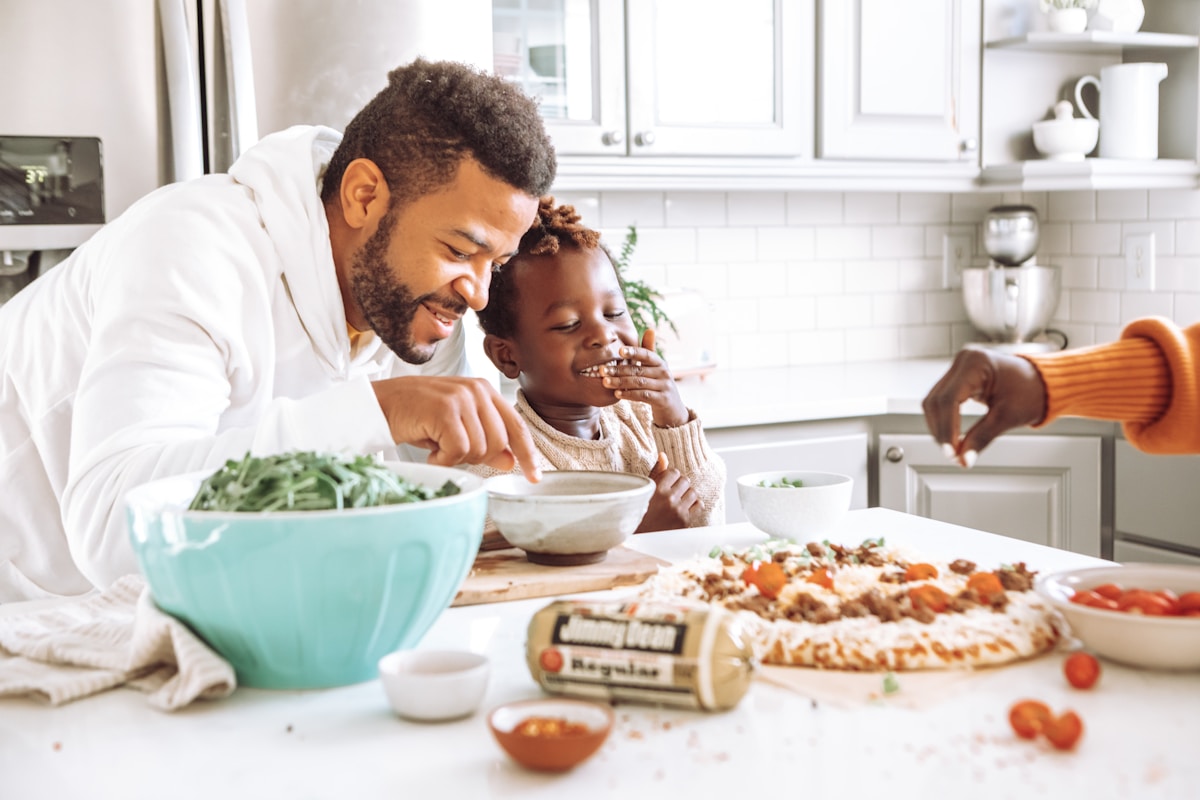
Second, you need to offer your child choice. This is a wonderfully simple way to empower them and make them feel like a valued part of the team. The choices can be tiny, but their impact is huge. “Should we use the dinosaur pasta or the swirly pasta tonight?” “Do you want to put blueberries or bananas in the pancakes?” “Which toppings should we get for our pizza?” By asking for their input, you’re telling them their opinion matters. You’re giving them ownership of the tradition, making it truly theirs, too. (And you might be surprised how much more willing they are to eat something they helped choose!)
Getting Started Your Family’s First Food Ritual
Feeling inspired? The best part is that you can start this very week. You don’t need any fancy equipment or culinary school training. Just pick one idea and make it your own. Here are a few of my family’s favorites to get you started.
Saturday Morning Pancakes This is a classic for a reason! The smell alone is enough to make a house feel like a home. You can absolutely use a mix (Bisquick is a trusty friend), but if you want to make them from scratch, it’s easier than you think.
- The ‘Always Works’ Pancake Recipe: In a large bowl, whisk together 1 ½ cups of all-purpose flour (I love King Arthur for its consistency), 3 ½ teaspoons of baking powder, 1 teaspoon of salt, and 1 tablespoon of white sugar. In a separate smaller bowl, lightly whisk 1 ¼ cups of milk, 1 egg, and 3 tablespoons of melted butter. Pour the wet mixture into the dry ingredients and stir until just combined. (Lumps are your friend! Over-mixing makes tough pancakes.)
- Heat a lightly oiled griddle or frying pan to medium-high heat, around 375°F (190°C). Pour batter by the ¼ cup onto the griddle. Cook until bubbles start to form on the surface, about 2 minutes, then flip and cook until golden brown on the other side. Serve warm with butter and real maple syrup.
My Favorite Kitchen Hack: To make this ritual even easier, I create my own “pancake mix.” I multiply the dry ingredients by four or five and store it all in a large, airtight glass jar. On Saturday morning, I just scoop out what I need, add the wet ingredients, and we’re ready to go in minutes!
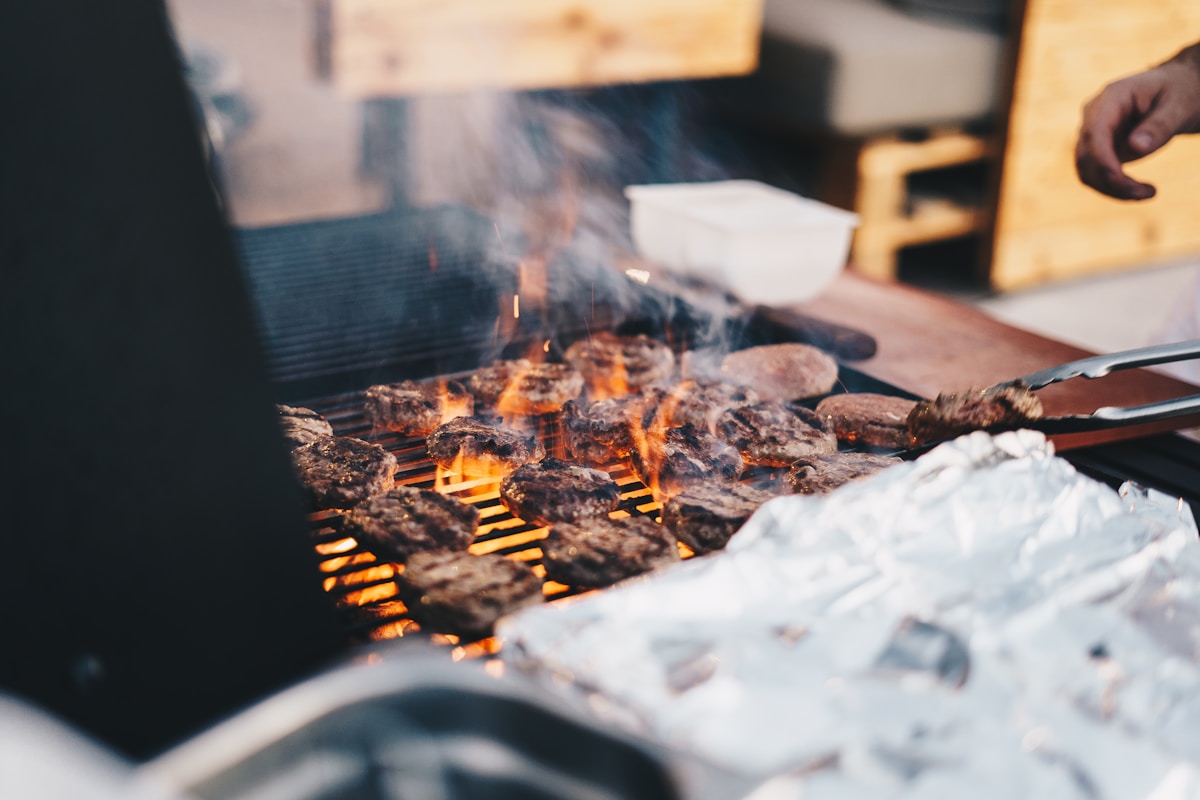
Taco Tuesday Assembly Line This is less a recipe and more of an event. Cook up some ground turkey or beef with taco seasoning. Then, set up a buffet of bowls on the counter: shredded lettuce, diced tomatoes, grated cheddar cheese, salsa, sour cream, and maybe some black olives or jalapeños for the grown-ups. Let every family member build their own tacos. It’s interactive, a little messy, and always a hit.
Beyond the Food The Real Goal is Connection
It’s important to remember that the pancakes or the tacos are just the delicious excuse. The real goal here is connection. The food is the vehicle that brings you to the table together, face to face. It’s the catalyst for conversation.
When you’re standing side-by-side at the counter chopping vegetables (with an age-appropriate knife, of course!), it’s amazing what you might hear about their day. When you’re waiting for the cookies to bake, you create a pocket of time just to talk. These are the moments that a hurried, on-the-go lifestyle often steals from us.
And yes, it will be messy. There will be flour on the floor. There will be eggshells in the batter. There will be sauce on someone’s sleeve. My advice? Breathe deep and embrace it. A little spill is a small price to pay for a memory. A dusting of flour on the floor is simply evidence that your family lives here, loves here, and grows here—together.
Age-Appropriate Kitchen Jobs for Your Little Helpers
To make this a true family affair, you’ll want to get the kids involved. Giving them a real job (not just busy work) builds their confidence and teaches them valuable life skills. Here’s a quick guide to get you started:
-
Toddlers (Ages 2-4): Their little hands are perfect for tasks like washing vegetables in the sink (with a stool and supervision), tearing lettuce leaves for a salad, stirring cold ingredients in a big bowl, or mashing a soft banana with a fork for banana bread.
-
Little Kids (Ages 5-7): This is a great age for them to start learning measurements. Let them scoop and level flour, pour liquids, and whisk ingredients. They can crack eggs (have them do it into a small, separate bowl first—trust me on this one), use a nylon kid-safe knife to cut soft things like strawberries, and help spread sauce on a pizza base.
-
Big Kids (Ages 8-12): They are ready for more responsibility. Let them read the recipe out loud, grate cheese on a box grater, peel carrots or potatoes with a peeler, use a stand mixer (like a KitchenAid) with supervision, and help with tasks on the stove while you stand right there with them.
It’s not about achieving culinary perfection. It’s about being present, being patient, and enjoying the process. You’re not just making dinner; you’re making memories that will nourish your children’s hearts for years to come. So this week, pick a day, pick a meal, and start your own tradition. The love you cook up will last a lifetime.