The backpacks land on the floor, someone needs help finding a homework folder, and practice starts again in less than an hour. On nights like these, dinner does not need to be impressive. It needs to be possible.
The easiest way to make school-night dinners happen is to stop planning seven separate recipes. Instead, build a flexible system with a few ready ingredients, repeatable meal formats, and dependable backup foods for nights when the plan changes.
Key Takeaways
- Plan for two or three cooking nights, then use assemble-and-heat meals, leftovers, and backups for the rest.
- Build meals from a simple formula: protein + starch + produce + sauce or flavor booster.
- Prep a few ingredients—not five finished meals—to make the week more flexible.
- Keep pantry and freezer dinners ready for late practices and low-energy evenings.
- Give leftovers a planned purpose so they become tomorrow’s meal instead of forgotten containers.
Start With a School-Night Dinner System, Not a Perfect Menu
Easy school night dinners work best when you make fewer decisions at 5 p.m. Rather than assigning a brand-new recipe to every night, decide what type of dinner each evening needs to be.
Start by looking at the real week ahead. Mark late workdays, practices, lessons, school events, and nights when family members arrive home at different times. Then choose a realistic number of cooking nights.
For many families, two or three cook-from-scratch nights are enough. The remaining nights can be assemble-and-heat meals, leftovers, breakfast-for-dinner, or a freezer backup. That is not giving up on dinner; it is matching dinner to your actual schedule.
Try sorting weeknights into three categories:
- Cook nights: You have roughly 25 to 40 minutes and enough energy for a simple skillet, pasta, or sheet-pan meal.
- Assemble-and-heat nights: You rely on cooked ingredients, rotisserie chicken, bagged salad, tortillas, frozen grains, or another shortcut.
- Backup nights: Practice ran late, someone is sick, or everyone is tired. Dinner comes from the pantry, freezer, or a very simple combination of foods.
Convenience ingredients count. Jarred sauce, frozen vegetables, pre-cut fruit, canned beans, and prepared chicken can turn a rushed evening into a meal everyone can eat.
Build a Flexible Busy Weeknight Meal Plan From Repeatable Building Blocks
A busy weeknight meal plan does not need a long recipe list. It needs a few building blocks that can be combined in different ways.
Choose two or three anchor proteins for the week. Good options include cooked chicken, browned ground beef or turkey, canned beans, eggs, rotisserie chicken, tofu, frozen meatballs, or cooked lentils. Choose foods your family enjoys and that fit your budget.
Next, choose one or two easy starches. Cooked rice, pasta, tortillas, potatoes, bread, couscous, and frozen grain packets all work. Add produce that is easy to serve, such as washed grapes, baby carrots, cucumber slices, bagged salad, frozen broccoli, peas, bell peppers, or apples.
The basic formula is:
Protein + starch + produce + sauce or flavor booster
A flavor booster might be salsa, pesto, barbecue sauce, pasta sauce, shredded cheese, soy sauce, hummus, a seasoning blend, or dressing. The same protein can feel different when you change the sauce or serving style.
Keep these easy school night dinner formulas in rotation:
- Taco bowls: Rice, beans or cooked meat, corn or chopped vegetables, salsa, cheese, and avocado if available. Serve components separately for children who prefer familiar foods.
- Sheet-pan dinner: Sausage or chicken, shortcut vegetables, and small potato pieces roasted together. Broccoli florets, green beans, peppers, and zucchini are practical choices.
- Pasta night: Pasta, prepared sauce, protein, and vegetables stirred in or served alongside. Frozen peas and spinach are especially quick additions.
- Breakfast-for-dinner: Eggs, toast, fruit, yogurt, and simple potatoes or breakfast sausage if desired. This works well when people eat at different times.
- Build-your-own snack plates: Cheese, beans, chicken, eggs, crackers or bread, fruit, vegetables, and a dip. This is a practical dinner for the busiest activity night.
For picky eaters, keep the format flexible instead of trying to make one dish suit everyone. Put taco ingredients in separate piles, serve sauce on the side, and include one familiar item such as bread, fruit, rice, or cheese. A low-pressure family meal can still include choices.
Do a Small Batch Prep Session That Saves Weeknight Time
Batch prep for weeknights should make tomorrow easier, not take over your weekend. Aim for 30 to 60 minutes once a week, or split the work into two shorter sessions.
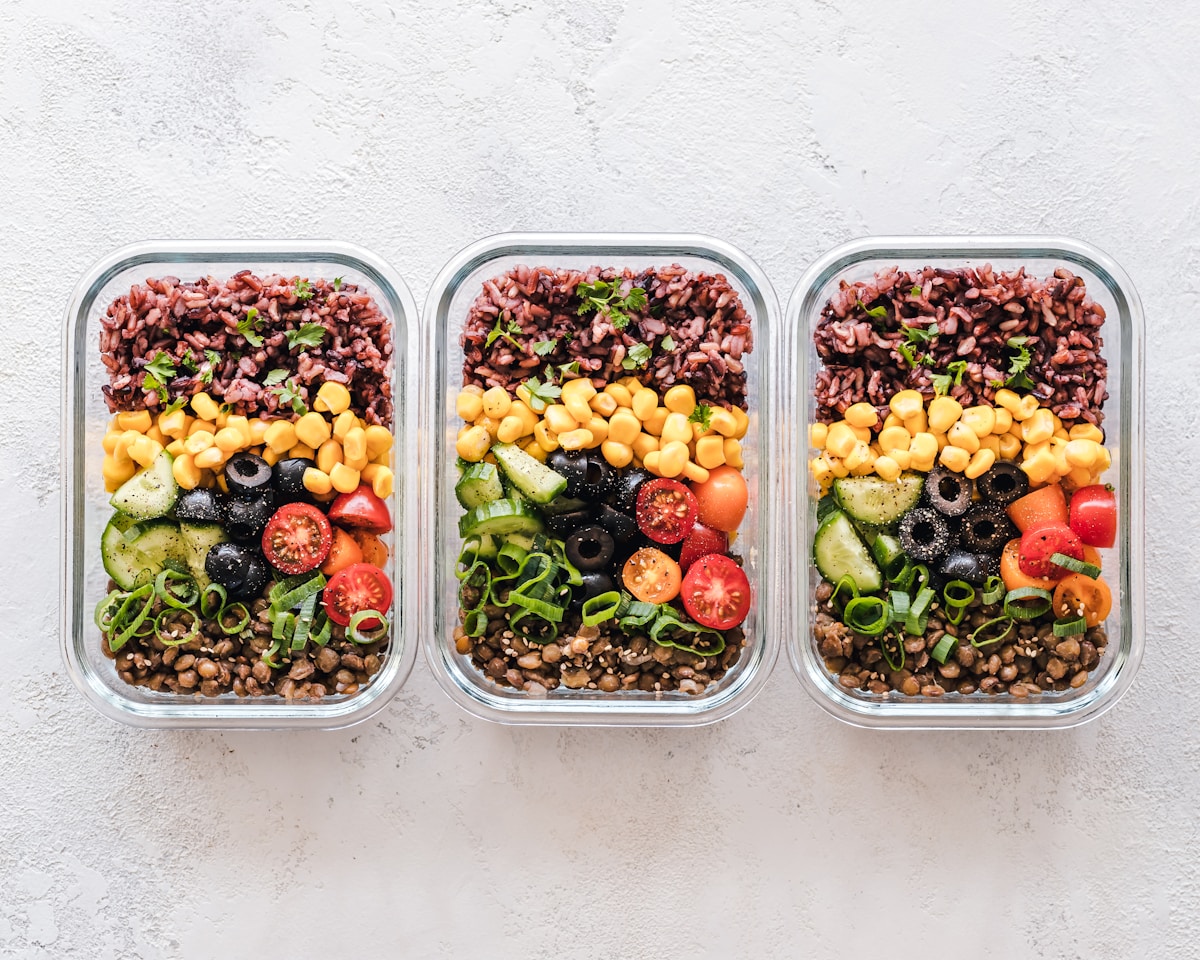
Focus on preparing ingredients rather than assembling five complete meals. Finished meals can feel limiting when schedules change, while cooked chicken, rice, washed produce, and two sauces can become several different dinners.
Use this practical batch-prep checklist:
- Cook or buy enough protein for two or three meals. Browned ground meat, roasted chicken, rotisserie chicken, beans, or hard-cooked eggs are useful choices.
- Prepare a flexible starch, such as rice, potatoes, or pasta. Keep the amount modest if your family tires of leftovers quickly.
- Wash produce and place it where hungry kids can see it. Slice cucumbers, portion grapes, or put baby carrots in a clear container.
- Pick two sauces or seasonings with different flavors. Salsa and taco seasoning can support one meal, while pesto or tomato sauce supports another.
- Portion after-school snacks such as fruit, cheese, yogurt, crackers, or vegetables with dip.
- Label leftovers with the date and, if helpful, their planned use: “Tuesday tacos” or “Wednesday pasta.”
Use safe food-handling habits during prep. Refrigerate cooked food promptly, divide large batches into smaller shallow containers so they cool more efficiently, and follow current food-safety guidance for storage and reheating.
When reheating leftovers, heat them thoroughly. Current U.S. food-safety guidance commonly recommends reheating leftovers to 165°F, and a food thermometer can help when practical. Do not rely on smell or appearance alone to determine whether food is safe. If you are unsure how long food has been stored or whether it was handled safely, use a fresh backup dinner instead.
Keep Emergency Dinners for Late Practices and Low-Energy Nights
Every quick dinner routine for families needs an emergency option that requires almost no planning. The goal is not to search for inspiration on a chaotic night. It is to know what dinner can be before the chaos begins.
Keep a small pantry shelf for simple dinner starters:
- Pasta and jarred pasta sauce
- Canned beans and canned tomatoes
- Broth and shelf-stable soup ingredients
- Tortillas, crackers, or flatbreads
- Shelf-stable rice, couscous, or boxed grains
- Nut or seed butter, if appropriate for your household
- Tuna, canned chicken, or another shelf-stable protein your family likes
- Easy toppings such as shredded cheese, salsa, olives, or crunchy onions
Your freezer can do even more work. Keep frozen vegetables, cooked frozen grains, meatballs, dumplings, soups, pizza, and freezer-friendly leftovers. Restock when you open the last package instead of waiting until a rushed evening.
Reliable emergency combinations include:
- Pasta with jarred sauce, frozen vegetables, and frozen meatballs.
- Bean and cheese quesadillas with fruit, cucumber slices, or bagged salad.
- Frozen rice topped with leftover chicken, frozen vegetables, and a favorite sauce.
- Soup with grilled cheese, toast, or a simple salad.
- Frozen pizza with extra fruit or vegetables on the side.
A backup dinner should be easy enough for the adult with the least energy that day. Keep ingredients familiar, minimize cleanup, and let children help with simple, age-appropriate tasks such as setting out fruit, placing napkins on the table, or choosing a vegetable dip.
Use a 30-Minute After-School Dinner Timeline and a Five-Night Framework
The hardest part of family dinners after activities is often the gap between arriving home and everyone becoming too hungry to wait. A simple timeline helps dinner begin before the evening unravels.
Minute 0 to 5: Check the dinner category: cook, assemble-and-heat, or backup. Start the oven, skillet, or microwave. If children are very hungry, offer a small bridge snack such as fruit, yogurt, cheese, or vegetables and dip.
Minute 5 to 15: Start the protein and starch. Reheat rice, boil pasta, warm beans, or cook eggs. Set out plates, washed produce, toppings, and drinks.
Minute 15 to 25: Finish vegetables, warm sauce, and assemble the meal. Children can help tear lettuce, stir a cold sauce, put toppings into bowls, or set the table.
Minute 25 to 30: Serve dinner. If leftovers are planned for lunch or another meal, portion them while they are easy to identify. Refrigerate remaining food promptly according to current food-safety guidance.
Here is a flexible five-night framework, not a rulebook:
- Night 1: Taco bowls with prepped rice, beans or cooked meat, vegetables, salsa, and cheese.
- Night 2: Sheet-pan sausage or chicken with potatoes and shortcut vegetables.
- Night 3: Pasta with prepared sauce, vegetables, and leftover chicken or meatballs.
- Night 4: Breakfast-for-dinner or snack plates for the busiest activity night.
- Night 5: A pantry or freezer dinner, or a leftovers buffet with small portions of what is available.
The key is to swap, not quit. If Wednesday’s practice runs late, move pasta to Thursday and use the freezer meal tonight. The plan still worked because it gave you options.
To keep leftovers from becoming forgotten containers, give them a job. Label them, store them where they are visible, and plan a specific next use: taco filling becomes quesadillas, roasted vegetables go into pasta, and cooked chicken becomes wraps or rice bowls. A weekly leftovers buffet also lets everyone choose small portions without serving the same plate twice.
FAQs About Easy School Night Dinners
How many nights should I cook during a busy school week?
Start with two or three cooking nights, then add more only if that feels manageable. A realistic plan includes assemble-and-heat meals, leftovers, and backups. Your ideal number may change from week to week with work, activities, and energy levels.
What are good make-ahead school night meals if my family gets home at different times?
Choose foods that can be assembled or reheated in individual portions, such as taco bowls, pasta, soups, grain bowls, baked potatoes, quesadillas, and snack plates. Keep sauces and crunchy toppings separate until serving so meals still feel fresh.
How can I use leftovers without serving the exact same dinner twice?
Change the format or flavor. Cooked chicken can become tacos, pasta, wraps, or rice bowls. Roasted vegetables can join eggs, soup, pizza, or grain bowls. Give leftovers a planned role early in the week, and use them according to current food-safety guidance rather than letting them sit unnoticed in the refrigerator.