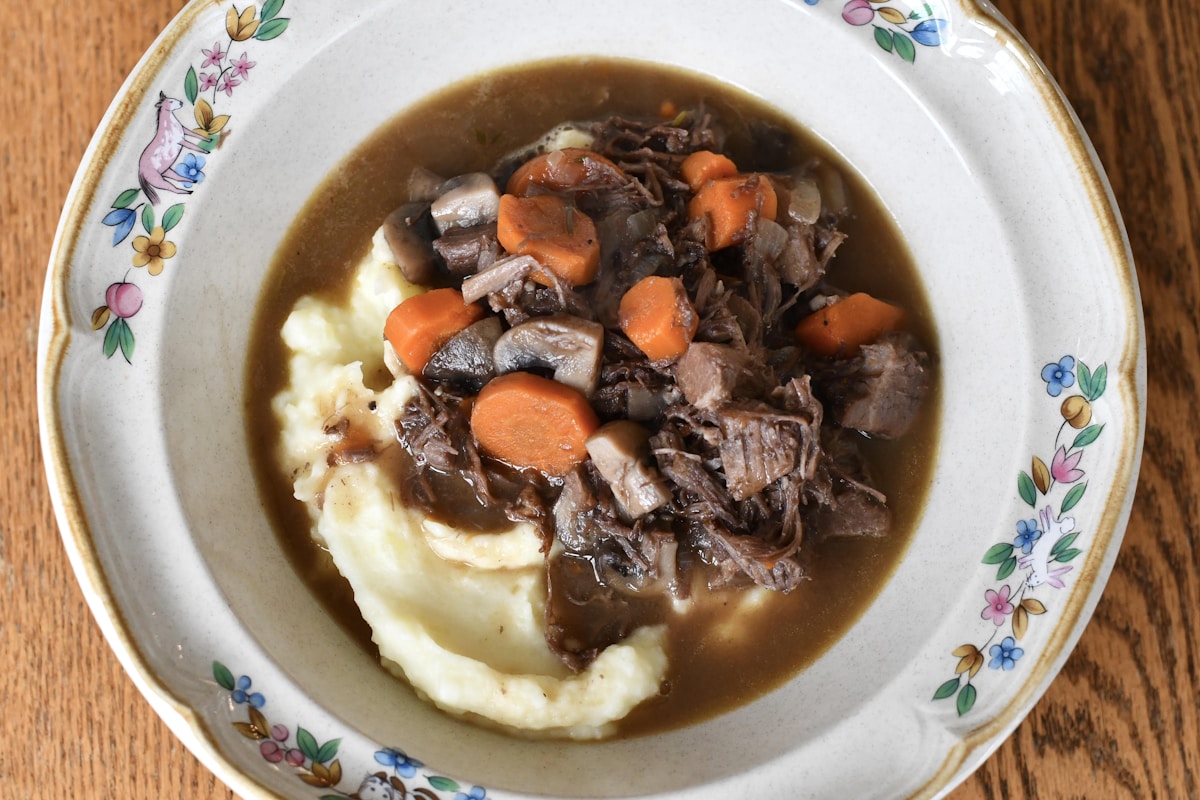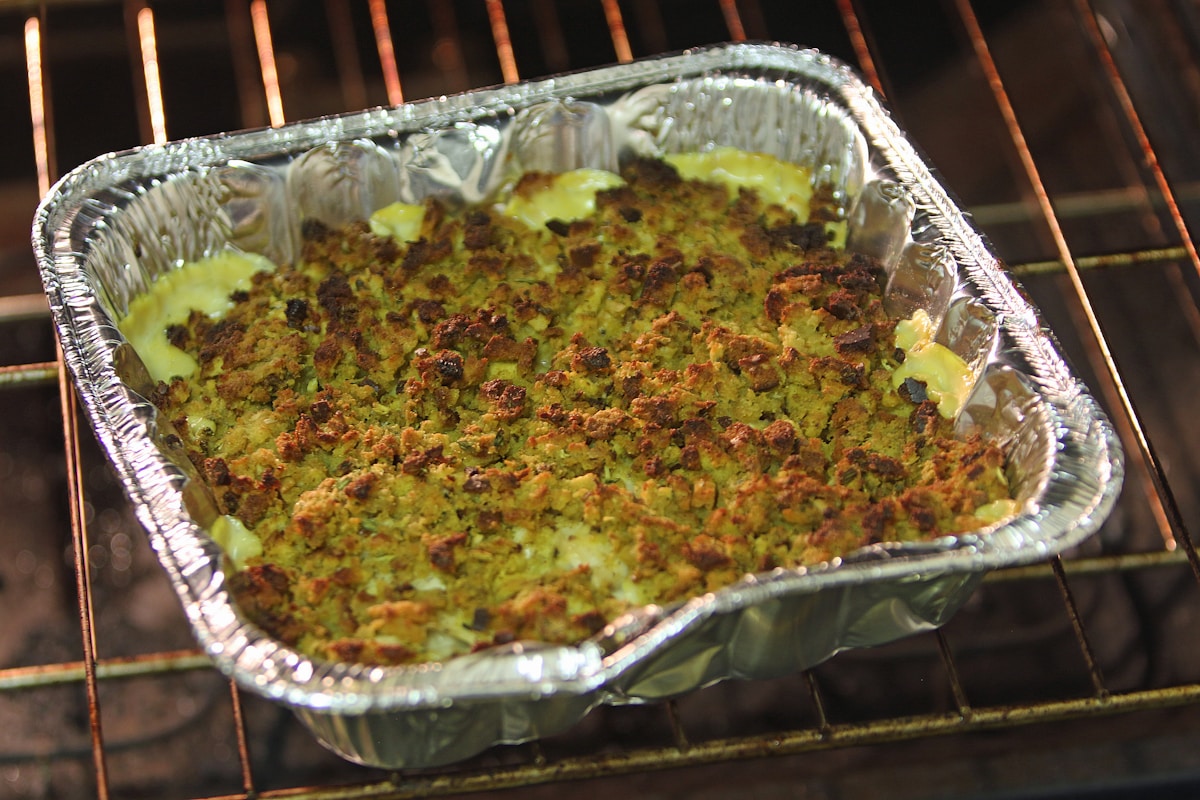
The evening can unravel quickly: someone is upset about the wrong cup, bedtime is approaching, and dinner still needs to happen. On those nights, the best plan is not a new recipe. It is a fully cooked meal you can heat, scoop, and serve while staying close to your kids.
The most helpful make ahead dinners for kids are casseroles, saucy pasta dishes, soups, chili, breakfast burritos, and simple cooked components that need very little work at dinnertime. Add fruit, toast, yogurt, crackers, or a bagged salad, and dinner can be ready without creating another big task.
Key Takeaways
- The best make-ahead dinners are fully cooked, easy to portion, and ready with reheating rather than last-minute cooking.
- Casseroles, soups, chili, pasta sauce, breakfast burritos, and sheet-pan components hold up especially well after chilling or freezing.
- Keep dinner simple on hard nights: one reheated main plus one easy fresh or pantry side is enough.
- Refrigerate cooked food promptly in shallow containers, use refrigerated leftovers within three to four days, and reheat leftovers to 165°F in the center.
- You do not need a perfectly stocked freezer. One prepared dinner can make a difficult weeknight easier.
Choose Make-Ahead Dinners That Actually Help on Hard Evenings
A useful make-ahead dinner is cooked completely, or nearly completely, before the hard evening begins. Chopped vegetables and measured ingredients can save time, but they still require your attention at the stove. When a child needs help immediately, reheating and serving is often more realistic.
Look for meals with a few practical qualities:
- They cook in one pot, pan, or baking dish.
- They remain appealing after chilling or freezing.
- They can be divided into family-size or individual portions.
- They use ingredients your family already knows.
- They work with a no-cook side.
- They can be served in separate components when that helps with preferences.
The goal is not a freezer packed with perfect meals. Doubling a soup, freezing half a pasta bake, or preparing one extra casserole can take pressure off one demanding evening.
Keep simple sides on hand for finishing dinner: bananas, berries, applesauce, sliced cucumber, bagged salad, toast, yogurt, cheese, or crackers. A reheated main plus one easy side is a solid plan when everyone is tired.
Baked Pasta and One-Dish Make-Ahead Dinners
One dish make ahead dinners are especially useful because much of the meal is already in the same pan. They simplify serving, reduce dishes, and usually reheat well in individual portions.
Baked ziti or pasta bake is one of the easiest family meals to prep ahead. Cook pasta until barely tender, combine it with sauce and cheese, and bake until hot. Cool it, portion it, and refrigerate or freeze it. On dinner night, reheat a portion and serve with fruit, toast, or a simple salad.
Sauce helps pasta stay moist during reheating. If your family prefers foods kept separate, reserve some plain pasta before assembling the bake. That gives a child a familiar option alongside the main dish.
Macaroni and cheese with chicken, peas, or broccoli can be another familiar choice. Add small pieces of cooked chicken, thawed peas, or chopped cooked broccoli if those ingredients suit your household. Covering the dish and adding a small splash of milk may help some macaroni and cheese recipes reheat more smoothly, although results vary by recipe.
Prepare it fully, then freeze in small containers or one larger dish. Serve with pear slices, applesauce, or buttered toast. If mixed-in vegetables are a likely sticking point, offer them on the side instead.
Shepherd’s pie or cottage pie combines a savory meat or lentil filling, vegetables, and mashed potatoes in one dish. Bake it ahead, then refrigerate or freeze portions. Add sliced fruit or toast at serving time rather than making another cooked side.
This meal can be flexible. Keep a scoop of plain mashed potatoes aside, make one section with fewer vegetables, or serve the filling and potato topping separately for a child who prefers distinct foods.
Chicken-and-rice casserole is a practical mild-flavored option for tired parents. Use cooked chicken, cooked rice, a simple sauce, and vegetables your family already eats. If you enjoy a crunchy cracker or breadcrumb topping, store it separately and add it near the end of reheating for better texture.
Batch Meals That Reheat Well: Soup, Chili, Saucy Proteins, and Grains
Saucy meals are reliable make ahead dinners because they are easy to portion and often stay moist during reheating. They can also feel less repetitive when paired with different grains, breads, toppings, or fresh sides.
Tomato pasta sauce with meatballs or lentils is a strong batch-cooking option. Make a double batch of sauce with meatballs, browned ground meat, or cooked lentils. Freeze meal-sized portions in containers or freezer bags, then serve over pasta, on rolls, or with toast for dipping.
For the least work at dinner, freeze cooked pasta in portions as well. If you have a little more time, warm the sauce while fresh pasta cooks. Add cucumbers, berries, or bagged salad for a simple fresh side.
Mild chili can become several different dinners without relying on the same presentation each night. Cook beans, meat if desired, tomatoes, and mild seasonings until thick. Freeze family portions and a few smaller portions for evenings when people need different serving sizes.
Serve chili with rice, cornbread, shredded cheese, tortilla chips, or crackers. Put toppings in separate bowls so everyone can choose. A child who is unsure about chili may prefer rice, cheese, fruit, and a small serving of the main dish.
Chicken noodle, vegetable, or bean soup is comforting when everyone is tired. Freeze soup in smaller shallow containers so it cools and thaws more efficiently. If your family dislikes very soft reheated noodles, freeze the broth and vegetables separately from noodles, then add freshly cooked noodles or serve toast.
Soup becomes a fuller dinner with cheese quesadillas, crackers, toasted sandwiches, yogurt, or fruit. Serve children a portion that has cooled to a comfortable eating temperature, and choose ingredients and textures that fit their individual eating skills.
Mild coconut curry or creamy chicken-and-vegetable sauce adds variety without requiring a spicy dinner. Keep the seasoning modest, use vegetables your family recognizes, and let adults add heat at the table if they want it. Serve over rice with naan, toast, or fruit.
Cooked grains and shredded proteins are helpful freezer-ready building blocks. Portion cooked rice, quinoa, shredded chicken, turkey, beans, or meatballs separately. On a difficult night, combine one protein and one grain with sauce, cheese, or vegetables for quick bowls, wraps, divided plates, or pasta.
Freezer-Friendly Breakfast-for-Dinner and Sheet-Pan Components
Breakfast-for-dinner can be a welcome break from casseroles and tomato sauce. It also offers several easy freezer dinners for families when the items are cooked and wrapped in portions.
Breakfast burritos are a practical grab-and-reheat option. Fill tortillas with cooked scrambled eggs, roasted potatoes, cheese, beans, cooked sausage, or vegetables your family enjoys. Let the filling cool, wrap burritos individually, and freeze. Reheat and serve with fruit or yogurt.
Avoid overfilling burritos, which can make them split and heat unevenly. For a child who dislikes mixed fillings, make plain bean-and-cheese burritos or serve eggs, potatoes, and fruit separately.
Waffles or pancakes with eggs and sausage work well when cooked items are frozen separately. Reheat waffles or pancakes until hot, warm egg or sausage portions, and add berries, yogurt, or applesauce. This is especially helpful when family members want different combinations.
Mini egg muffins are baked egg cups made with eggs, cheese, and optional chopped vegetables or meat. Bake a batch in a greased muffin tin, cool, and freeze in portions. Pair them with toast and fruit for a quick kid friendly dinner without a full cooking session at the end of the day.
Repurposed sheet-pan components make dinner flexible without becoming a new recipe. Roast extra chicken, meatballs, potatoes, and vegetables on one or two trays. Use them later in grain bowls, wraps, pasta, quesadillas, or simple divided plates with fruit and crackers.
Keep the last-minute assembly small: choose one reheated main or component, then add one fresh or pantry side. A rough evening is not the time for a three-pan meal.
Store, Thaw, and Reheat Make-Ahead Dinners Safely
Good storage makes family meals to prep ahead easier to use safely. Divide large batches into shallow containers so they cool more quickly, and refrigerate cooked food promptly. Perishable cooked food should generally be refrigerated within two hours; in very hot conditions, that window is shorter.
Label each container with the meal name, preparation date, and a short serving note, such as “reheat covered” or “add cheese after heating.” Use refrigerated cooked leftovers within three to four days. Freeze meals you will not use during that period.
Frozen food remains safe when kept continuously frozen, although quality can decline over time. For better flavor and texture, it is practical to use many cooked freezer meals within a few months rather than leaving them indefinitely.
For thawing, move the next day’s dinner to the refrigerator whenever possible. You can also thaw food in the microwave if it will be reheated right away. Cold-water thawing can work for securely sealed food when the water is changed regularly and the food is cooked or reheated promptly afterward.
Reheat leftovers until the center reaches 165°F. Use a food thermometer when possible, especially for thick casseroles, burritos, and large portions. Stir soups, chili, sauces, and other liquid foods during heating, then check the center rather than relying on steam around the edges.
Heating time depends on portion size, container, appliance, and whether the food is thawed. Cover foods when appropriate to help retain moisture and encourage even heating. After microwaving, allow a brief standing time, then make sure each child’s serving has cooled to a comfortable eating temperature.
A Realistic Two-Hour Prep Plan and Five-Night Rotation
A two-hour prep session does not need to produce ten dinners. Aim for one casserole, one batch meal, and a few useful components. Start with clean containers, labels, and a clear idea of what your family will eat first.
First 20 minutes: Heat the oven and begin a pasta bake, chicken-and-rice casserole, or sheet-pan chicken and potatoes. At the same time, cook a pot of rice, pasta, or quinoa. Label containers before food is ready.
Next 40 minutes: Make a pot of chili, soup, pasta sauce, or shredded chicken while the oven meal cooks. Choose a recipe simple enough that you can pause if a child needs help.
Next 30 minutes: Portion food into shallow containers for cooling and storage. Wash fruit, prepare vegetables if useful, and place crackers or bread where they will be easy to find later.
Final 30 minutes: Put the next dinner in the refrigerator, freeze one or two meals, and write serving notes on each label. Try notes such as “serve with fruit,” “add toast,” “rice in freezer,” or “toppings in fridge.”
Try this five-night rotation to vary flavors through the week:
- Pasta bake with cucumber and fruit.
- Chicken-and-rice casserole with toast.
- Mild chili bowls with cheese and tortilla chips.
- Breakfast burritos with yogurt and berries.
- Chicken noodle or bean soup with quesadillas.
This is not a rulebook. If you prepare one casserole for Wednesday night, you have still made the week easier.
FAQs
What are the best make ahead dinners for kids who prefer familiar foods?
Start with familiar formats rather than introducing several new foods at once: macaroni and cheese, pasta bake, meatballs in tomato sauce, chicken-and-rice casserole, bean-and-cheese burritos, or soup with toast. Offer a familiar part separately when possible, such as plain pasta, rice, bread, fruit, or cheese. No meal works for every child, but separate components can reduce pressure at the table.
Can I freeze cooked casseroles, soups, and breakfast burritos for family dinners?
Yes. These foods are practical freezer choices when they are cooled, packaged, and frozen promptly. Use airtight containers or well-wrapped portions, label them clearly, and freeze portions your family can realistically use. Smaller servings can be especially handy for different appetites and quick dinners.
How far ahead can I make family dinners and still reheat them safely?
Use refrigerated cooked leftovers within three to four days. Freeze meals you will not use during that time, then thaw them safely in the refrigerator or use another appropriate thawing method when you can reheat the food right away. Reheat leftovers to 165°F in the center before serving.