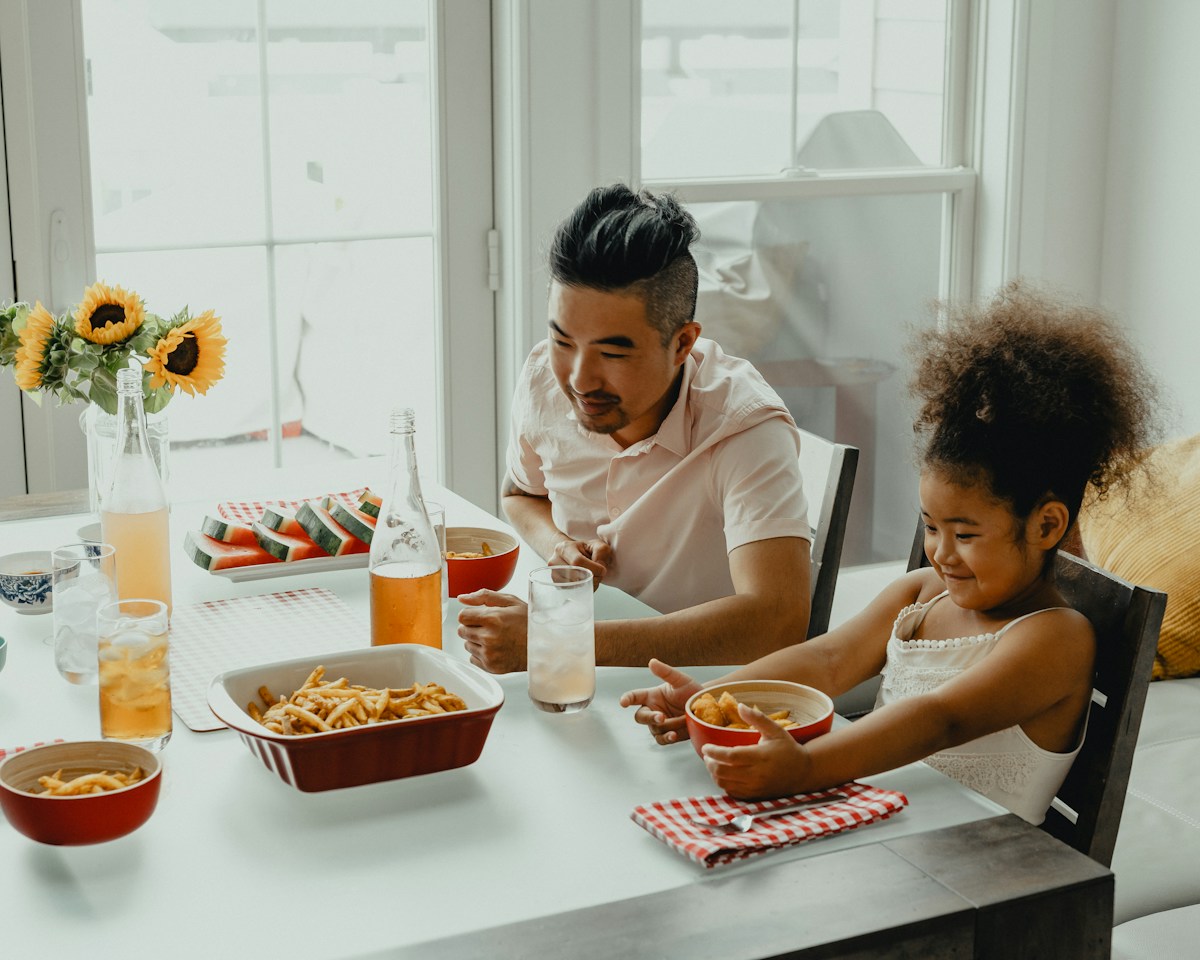
You finally get dinner on the table, everyone is hungry, and then you see the counter: a cutting board, three bowls, two pans, crumbs, cups, and a sink that was already not empty. On nights like that, dinner does not need to be impressive. It needs to feed your family without creating a second job afterward.
The best easy dinners with little cleanup use one main cooking vessel, one simple side, and a serving plan that does not create extra dishes. Some nights, feeding everyone is enough.
Key Takeaways
- Choose a one-pan, one-pot, slow-cooker, or assemble-at-the-table meal based on the energy you have tonight.
- Keep cleanup low by limiting dinner to one main vessel, one easy side, and no more than one or two toppings.
- Use mild seasoning and add sauces at the table so selective eaters do not need separate meals.
- Put leftovers away first, then soak the main pan and leave the rest of the reset for later if needed.
Start with the lowest-mess dinner format for tonight
Before choosing a recipe, choose the format your energy can handle.
- Use one sheet pan when the oven can do the work. It is useful for sausage, chicken, vegetables, potatoes, and open-faced sandwiches.
- Use one pot for pasta, rice, soup, or saucy meals. Serve from the pot when practical.
- Use a slow cooker when you can start dinner earlier and want less hands-on work later.
- Build plates instead of cooking when your capacity is very low. A protein, produce, and filling carbohydrate can be dinner.
Try a simple low-cleanup test: use one primary cooking vessel, choose one no-cook or same-pan side, and skip steps that require separate sauce bowls. If dinner needs several pans, toppings, and serving dishes to feel complete, it may not be the right meal for tonight.
10 easy dinners with little cleanup for busy family nights
1. Sheet-pan chicken sausage, potatoes, and broccoli
What you need: fully cooked chicken sausage, baby potatoes, broccoli florets, oil, salt or a mild seasoning blend, plus optional shredded cheese or ketchup.
For a family of four, use about 12 to 16 ounces of sausage, 1 to 1 1/2 pounds of baby potatoes, and a large bag or head of broccoli. Halve the potatoes, add everything to a sheet pan, drizzle with oil, season lightly, and roast until the potatoes are tender and the sausage is hot.
Cookware: One sheet pan, knife, and cutting board.
Likely mess: Potato scraps and a greasy pan if it is unlined.
Kid-friendly adjustment: Keep a few sausage slices, plain potatoes, and lightly cooked broccoli separate before adding sauces.
Protein swap: Turkey sausage, plant-based sausage, cooked meatballs, or cubed tofu.
Cleanup-saving move: Line the pan with parchment when it is suitable for your pan and oven temperature. Roast everything together, then discard the liner and wipe remaining spots.
2. Sheet-pan chicken tenders, sweet potatoes, and green beans
Arrange chicken tenders, cubed sweet potatoes, and trimmed green beans on a lined pan. Season everything mildly, then put ketchup, barbecue sauce, or another favorite dip on the table instead of making separate flavored batches.
Cookware: One sheet pan, knife, cutting board, and tongs.
Likely mess: Cutting-board scraps and baked-on sweet potato bits.
Kid-friendly adjustment: Cut cooked chicken into pieces appropriate for your child and serve sauces separately.
Protein swap: Boneless chicken thighs, sliced fully cooked sausage, tofu cubes, or chickpeas. Adjust cooking time for the protein.
Cleanup-saving move: Drizzle oil and sprinkle seasoning directly over the vegetables on the tray. Skip the mixing bowl.
3. One-pot taco rice with beans
Brown ground meat in a large pot, or start with lentils, crumbled tofu, or extra beans. Add canned beans, rice, salsa or tomatoes, water or broth, and mild taco seasoning. Simmer until the rice is tender, then add cheese if you like.
Cookware: One pot, spoon, and can opener.
Likely mess: A sticky pot and a few cans.
Kid-friendly adjustment: Keep seasoning mild and offer plain rice, beans, cheese, or avocado separately.
Protein swap: Ground turkey, beef, chicken, lentils, black beans, pinto beans, or tofu.
Cleanup-saving move: Choose two toppings, such as cheese and avocado. A full taco bar quickly creates a counter full of bowls.
4. One-pot cheesy pasta with peas and rotisserie chicken
Cook short pasta in one pot. Add frozen peas near the end of the cooking time. Drain if needed, then stir in shredded rotisserie chicken, a little milk or pasta water, and shredded cheese.
Cookware: One pot, spoon, and a colander only if needed.
Likely mess: A starchy pot and cheese bits on the counter.
Kid-friendly adjustment: Reserve a little plain pasta and peas before adding cheese or chicken.
Protein swap: White beans, chickpeas, leftover turkey, diced ham, or cooked chicken.
Cleanup-saving move: Serve directly from the pot with a large spoon instead of transferring dinner to a serving bowl.
5. Tomato soup and cheese-toast shortcuts
Warm prepared tomato soup in one pot. Instead of making grilled cheese in a skillet, put bread topped with cheese on a lined sheet pan and bake until toasted and melted. Add fruit, baby carrots, or cucumber slices instead of cooking another side.
Cookware: One pot and one sheet pan.
Likely mess: Soup splatters, one pot, and toast crumbs.
Kid-friendly adjustment: Serve soup in a small bowl or cup and cut cheese toast into simple pieces.
Protein swap: Stir white beans into the soup, add deli turkey, or serve hummus alongside the toast.
Cleanup-saving move: Skip the skillet. Open-faced cheese toast cooks all at once and does not need flipping.
6. Slow-cooker salsa chicken bowls
Add chicken, salsa, drained beans, and corn to the slow cooker. Cook until the chicken is fully cooked and tender, then shred it in the cooker. Serve with rice, tortillas, bagged salad, or tortilla chips, depending on what you have.
Cookware: Slow cooker, serving spoon, and forks for shredding.
Likely mess: One slow-cooker insert and a few cans or jars.
Kid-friendly adjustment: Serve chicken, beans, corn, and rice separately if mixed foods are a hard sell.
Protein swap: Boneless chicken thighs, cooked shredded chicken added near the end, black beans, lentils, or tofu.
Cleanup-saving move: Use a slow-cooker liner only if it is appropriate for your appliance and the liner directions. Otherwise, move leftovers promptly and soak the insert.
7. Slow-cooker meatballs with rolls and raw vegetables
Put frozen fully cooked meatballs and jarred sauce in the slow cooker. Serve with rolls, bagged salad, grapes, sliced peppers, or baby carrots.
Cookware: Slow cooker and serving spoon.
Likely mess: One insert, sauce drips, and a bread bag.
Kid-friendly adjustment: Offer plain meatballs and bread before adding extra sauce to a child’s portion.
Protein swap: Turkey, beef, chicken, vegetarian, or plant-based meatballs.
Cleanup-saving move: Do not cook a separate vegetable. Raw produce, fruit, or bagged salad adds freshness without another pan.
8. Snack-plate dinner with protein, produce, and a filling carb
Snack plates are among the easiest meals for tired parents because they come together in minutes. Combine cheese, hummus, hard-cooked eggs, deli meat, beans, crackers, bread, fruit, and cut vegetables in combinations your family enjoys.
Cookware: None, or one cutting board and knife.
Likely mess: Wrappers, crumbs, and a cutting board.
Kid-friendly adjustment: Keep portions simple and prepare foods in forms appropriate for your child’s age and eating skills.
Protein swap: Cheese, eggs, hummus, beans, yogurt, deli meat, or leftover chicken.
Cleanup-saving move: Arrange food on one washable platter or a clean cutting board used as a serving surface, then wash one main item instead of several bowls.
9. Rotisserie chicken pitas or wraps
Set out shredded rotisserie chicken, bagged salad, shredded cheese, and a simple sauce with pitas, tortillas, or wraps. Everyone can fill their own, or you can serve the components separately.
Cookware: Knife, cutting board, and possibly one spoon.
Likely mess: Packaging, the chicken container, and small bits of salad.
Kid-friendly adjustment: Serve pita wedges or tortilla pieces with separate fillings.
Protein swap: Chickpeas, beans, tofu, deli turkey, or leftover meatballs cut into pieces.
Cleanup-saving move: Leave clean ingredients in their original containers when practical. Dinner does not need matching serving bowls.
10. Breakfast-for-dinner egg and toast plates
Scramble eggs in one skillet, or bake eggs in one baking dish while toast cooks. Add fruit and call it dinner. It is quick, familiar, and often easier for selective eaters than a heavily mixed meal.
Cookware: One skillet or baking dish, toaster, knife, and cutting board.
Likely mess: One egg pan, toast crumbs, and fruit peels.
Kid-friendly adjustment: Keep eggs plain and serve toast and fruit separately.
Protein swap: Beans, yogurt, cheese, turkey sausage, or leftover chicken.
Cleanup-saving move: Choose skillet eggs or baked eggs, not both. One warm protein plus toast and fruit is enough.
Make one-pan dinner ideas create less mess, not just fewer pans
A meal can technically use one pan and still leave a crowded counter. The hidden dish-makers are prep bowls, complicated marinades, extra sauces, cooked side dishes, and serving platters.
For oven meals, parchment or foil can help when it suits the recipe, pan, and manufacturer directions. It does not eliminate washing tools that touched raw meat or sticky food, but it can make roasted dinners easier to finish.
Keep the main dish mildly seasoned, then offer hot sauce, grated cheese, herbs, dressing, or ketchup at the table. This gives adults more flavor without requiring separate kid meals or extra pans.
Good low-mess sides include fruit, raw vegetables, bagged salad, bread, tortillas, and microwaveable grains. Frozen vegetables can also go into the same pot near the end of cooking if timing allows.
A 10-minute kitchen closing routine for minimal dishes dinner nights
This is triage, not a perfect reset. The goal is to protect tomorrow morning and make the hardest cleanup easier later.
Minute 1-2: Save the food. Put leftovers into shallow containers or divide large portions into smaller containers so they cool more efficiently. Refrigerate perishable food within two hours of cooking or serving, or within one hour if the temperature is above 90°F.
Minute 3-5: Clear the table. Throw away obvious trash and gather dishes, cups, bottles, and utensils in one place. Do not sort every item perfectly.
Minute 6-8: Help the key cookware. Fill the pot or pan with warm, soapy water if appropriate for the cookware. Wipe sticky spills from the cooking surface and counter before they harden.
Minute 9-10: Do the next simplest thing. Load the dishwasher essentials, start it if it is ready, or leave a contained dish station for tomorrow. Laundry, toys, and the last crumbs can wait.
Food safety and leftover shortcuts that should not add stress
Easy dinners still need a few calm safety habits. Refrigerate perishable leftovers promptly, using shallow containers or smaller portions rather than leaving a large hot pot out to cool for a long time.
Plan to use refrigerated cooked leftovers within three to four days. Reheat leftovers to 165°F. If you are unsure how long food sat out or how it was stored, it is safer to discard it.
Use a food thermometer for meat and poultry rather than relying on color alone. Poultry and reheated leftovers should reach 165°F. Ground meats should reach 160°F. Whole cuts of beef, pork, lamb, and veal should reach 145°F followed by a three-minute rest. Egg dishes should reach 160°F.
Rotisserie chicken, frozen meatballs, prepared foods, and takeout leftovers all need prompt refrigeration. Store-bought shortcuts can make dinner easier while still fitting into safe food-handling habits.
FAQs
What are the best easy meals for tired parents when there are almost no clean dishes?
Choose meals that need no cooking or only one vessel: snack plates, rotisserie chicken pitas, slow-cooker meatballs with rolls, or eggs and toast. Add fruit or raw vegetables instead of cooking another side.
How can I make a sheet-pan dinner without creating lots of prep bowls and side dishes?
Line the pan when appropriate, cut ingredients directly onto the pan or cutting board, and drizzle oil and seasoning over everything on the tray. Choose one protein, one starch, and one vegetable, then offer one ready-to-use sauce at the table if needed.
What should I do with dinner leftovers when I do not have energy for a full kitchen cleanup?
Pack the food first. Divide it into shallow containers, refrigerate it within the recommended time, and let the rest of the kitchen wait. Soak the main pot or pan, gather dishes in one place, and finish the full cleanup tomorrow if you need to.