When a scraped knee or a bumped head sends your little one into meltdown mode, the kitchen can become your greatest ally
I remember the first time my nephew took a tumble off the garden step. He was barely eighteen months old, and within minutes we were in the car heading to urgent care. By the time we got home, he was exhausted, clingy, and completely uninterested in his usual dinner. That night, a bowl of warm applesauce and a few spoonfuls of yogurt were the only things that got him to calm down and sleep. That experience taught me something I now share with every new parent: when your toddler needs comfort after a minor injury, food can be a powerful healer.
You might have seen the Reddit thread in r/daddit where a mom shared how her husband handled their 17-month-old’s minor injury that required stitches. The dad managed alone, and the key takeaway for many commenters was the importance of having ready-to-eat comfort foods on hand. Pediatric nutritionists agree: after a mishap, toddlers need soft, familiar, easy-to-swallow foods that provide both nourishment and emotional security.
Why soft, familiar foods are your best friend after a toddler injury
When your child is hurt, their body and mind are under stress. A minor cut or bruise can leave them feeling scared, tired, and sometimes even resistant to eating. The goal is not to force a full meal but to offer small, frequent portions of foods that are gentle on the tummy and require minimal chewing. The American Academy of Pediatrics recommends maintaining hydration and offering easy-to-digest options that won’t irritate the mouth if there are any oral injuries.
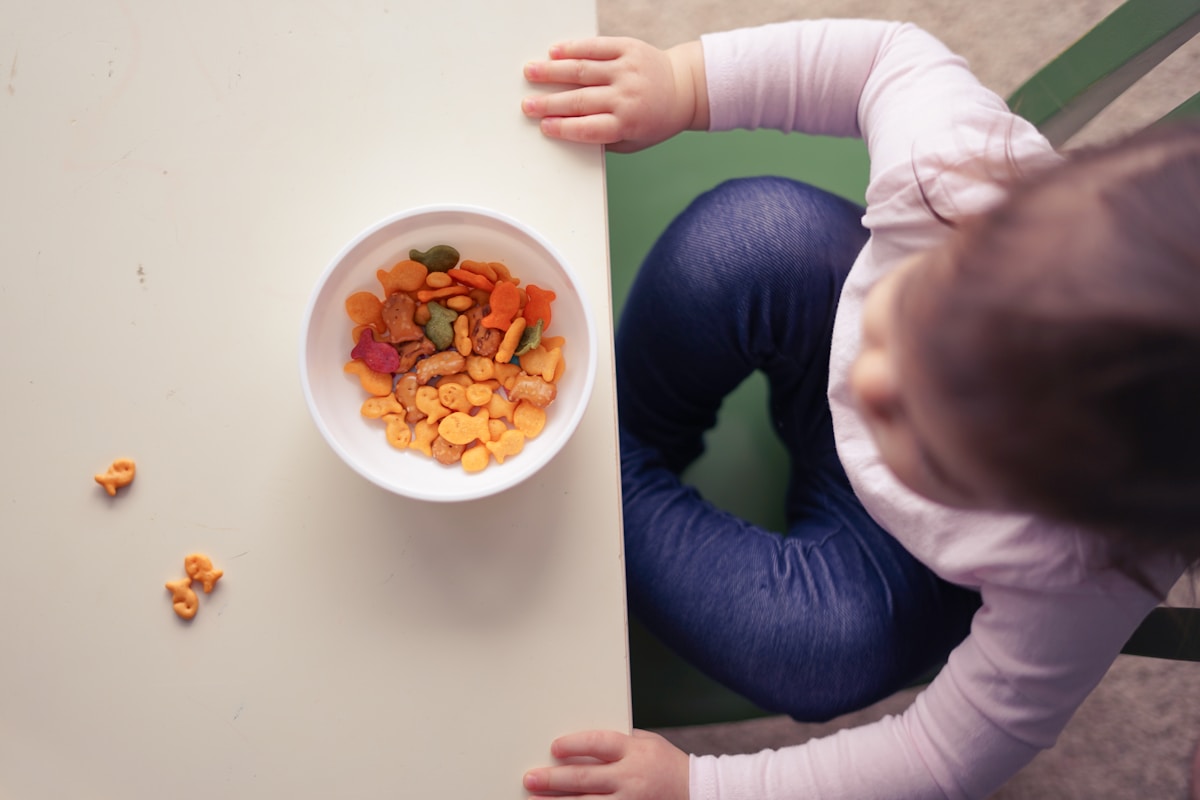
Soft foods like warm applesauce, mashed potatoes, yogurt, and smoothies are ideal because they are naturally soothing and can be eaten with little effort. These foods also have a mild flavor that won’t overwhelm a sensitive palate. Avoid hot or acidic foods like tomato soup or citrus juices, which could sting if there are cuts inside the mouth or around the lips. Also skip hard, crunchy snacks that might be difficult to chew or could cause further discomfort.
A list of the best comfort foods for toddler recovery
Here are some of the most effective options to have ready in your kitchen. Keep them simple, familiar, and serve them at room temperature or slightly warm.
- Warm applesauce: A classic for a reason. It’s smooth, naturally sweet, and easy to swallow. You can make your own or buy unsweetened jars. Heat it gently on the stove or in the microwave for about 15 seconds, stirring well to avoid hot spots.
- Mashed potatoes: Fluffy and comforting. Use a little milk and butter for creaminess, but skip any heavy seasonings. Cool to a safe temperature before serving.
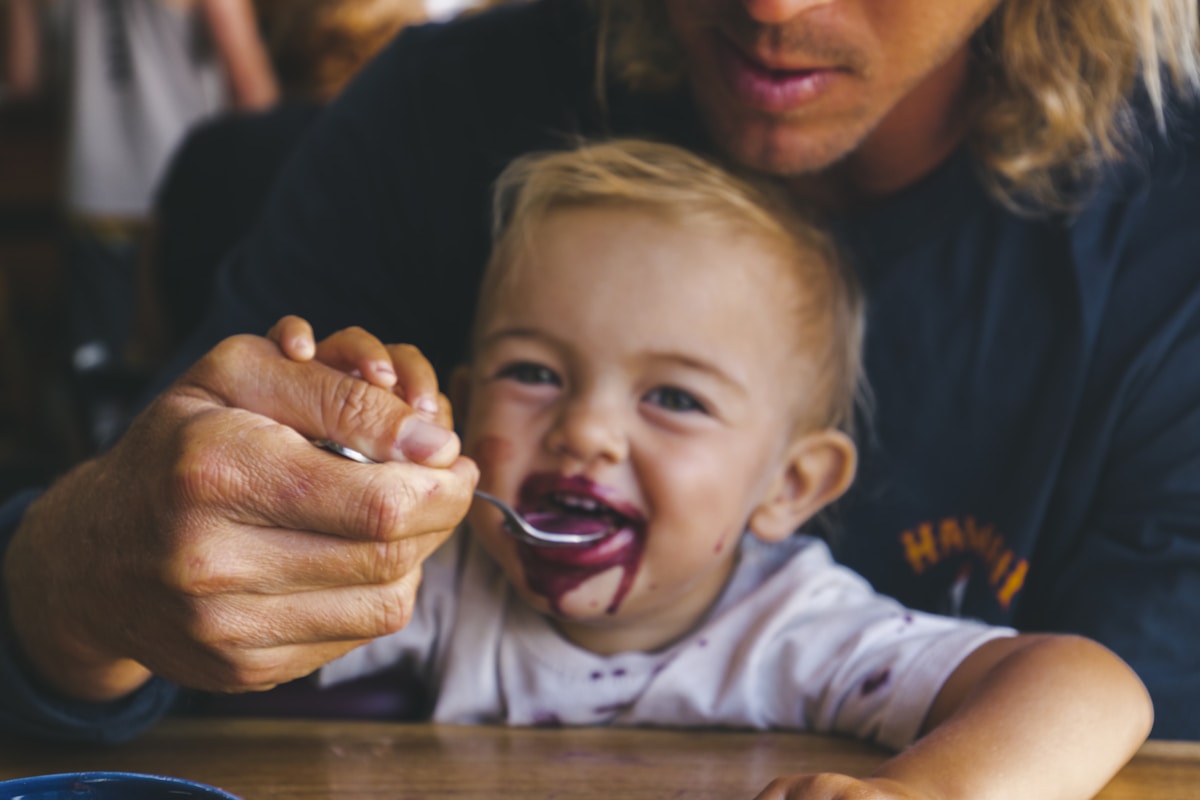
- Plain full-fat yogurt: Rich in protein and probiotics, yogurt is gentle on the stomach. Avoid fruit-on-the-bottom varieties with chunks that could be tricky. You can swirl in a little applesauce for added appeal.
- Smoothies: Blend a ripe banana with a splash of milk or yogurt and a handful of spinach (the color won’t show if you use a dark berry). Smoothies are hydrating and can be sipped from a straw cup, which is especially helpful if your child is lying down.
- Blended soups: A well-strained chicken or vegetable broth thickened with a little potato or rice can be incredibly soothing. Keep a batch in the freezer in small silicone molds or ice cube trays for quick defrosting.
- Oatmeal: Cooked soft with milk or water, and cooled to a warm, not hot, temperature. You can stir in a teaspoon of maple syrup or a bit of mashed banana for sweetness.
How to create a low-pressure mealtime after an injury
After a scare, the last thing you want is a food fight. Keep the atmosphere calm and gentle. Sit with your child in their usual high chair or on your lap on the couch. Offer food in small amounts — a few spoonfuls at a time — and let them decide when they’ve had enough. Don’t worry if they only take a couple of bites. The key is to keep them hydrated and comfortable.
One Reddit parent suggested having a “crisis kit” in the freezer: a few ready-to-heat portions of homemade chicken broth, blended vegetable soup, or even frozen smoothie cubes. That way, when an accident happens and you’re stressed, you don’t have to cook from scratch. You can simply grab, warm, and serve. (Your future self will thank you.)
A practical tip: prep your freezer now for peace of mind
Take a Sunday afternoon to make a double batch of your toddler’s favorite soft soup or applesauce. Portion it into small, freezer-safe containers or even ice cube trays for single servings. Label each with the date and contents. Then, on a day when life gets chaotic — maybe after a hurried trip to urgent care — you’ll have a comforting meal ready in minutes.
I also love keeping a bag of frozen banana chunks on hand. They blend into the creamiest smoothie in seconds, and they’re naturally sweet. Add a splash of milk and a spoonful of yogurt, and you have a meal your toddler will accept even when they’re feeling fragile.
When to call the doctor and what to watch for
Most minor injuries are just that — minor. But if your toddler refuses all fluids for more than a few hours, develops a fever, or seems unusually lethargic, check in with your pediatrician. The same goes if you notice swelling around the face or mouth that might affect eating. Trust your gut. You know your child best.
The takeaway: comfort food is medicine for the soul
In those messy, unpredictable moments of parenthood, the kitchen offers a way to soothe and connect. A bowl of warm applesauce, a shared spoonful of yogurt — these small acts of care can help your little one feel safe again. And they’ll help you feel a little more in control, too. So next time you hear a thud and a cry, remember: you’ve got this. And your freezer has got your back.
Beatrice writes for kitchen-fun.com, where the kitchen is a magic place where yummy food adds joy to life.