You’ve seen the picture on Reddit — a thick, dry-aged ribeye with a mahogany crust, caramelized onions, and a pool of herb lemon butter. The comments erupted in a familiar debate: Which pan truly gives you that perfect sear? As a home cook who has spent years testing gear for Kitchen Fun, I can tell you the answer isn’t as simple as “buy cast iron.” Let’s break down the three main contenders: cast iron, stainless steel, and carbon steel.
Cast Iron Skillet: The Gold Standard?
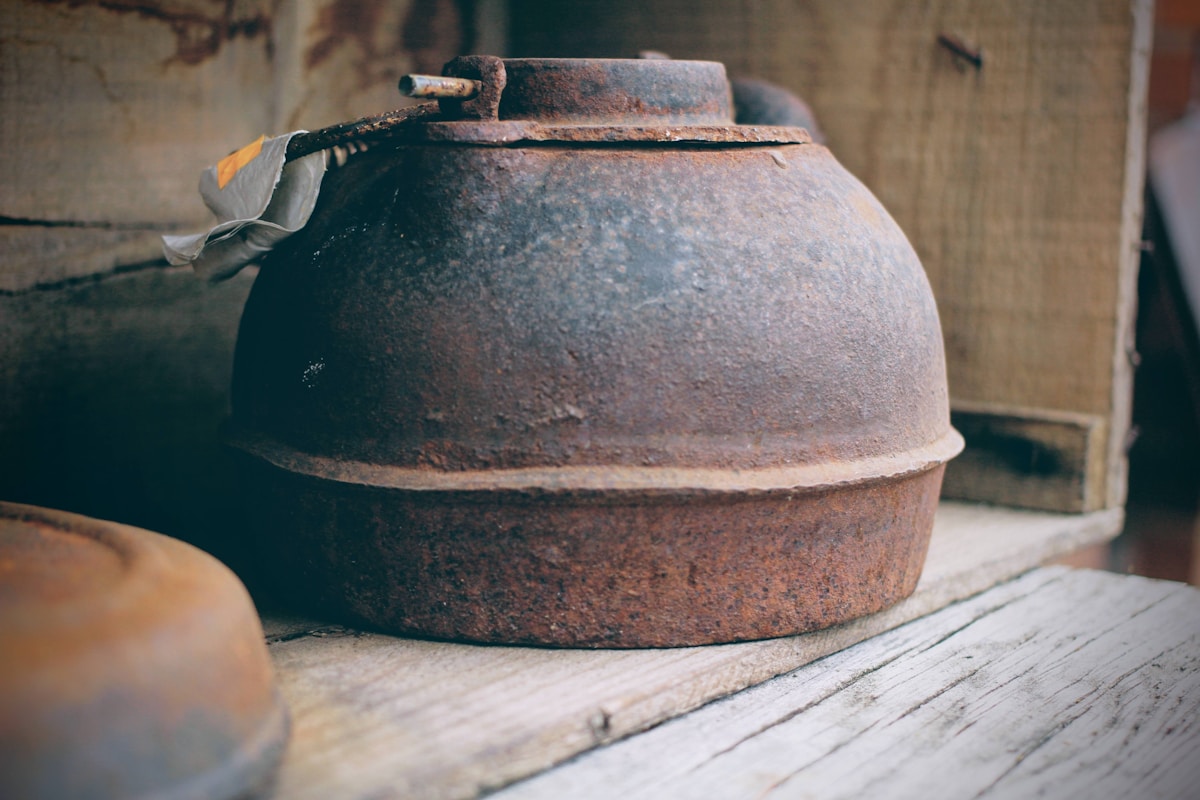
Cast iron is legendary for steak searing, and for good reason. Its thick walls absorb and store an enormous amount of heat. When you drop a cold steak onto a preheated cast iron pan, that heat doesn’t crash — the pan stays hot enough to create a deep, even crust in seconds. That’s the Maillard reaction in its glory.
J. Kenji López-Alt of Serious Eats recommends preheating your cast iron skillet in the oven at 450°F (232°C) for 10 minutes before moving it to the stovetop. This ensures the entire pan — including the sides — is screaming hot. Then add a high-smoke-point oil like avocado oil (520°F smoke point) or refined canola (400°F). Layer the steak and let it sear undisturbed for 3-4 minutes per side for medium-rare. The result? A crust so crisp it crackles when you cut it.
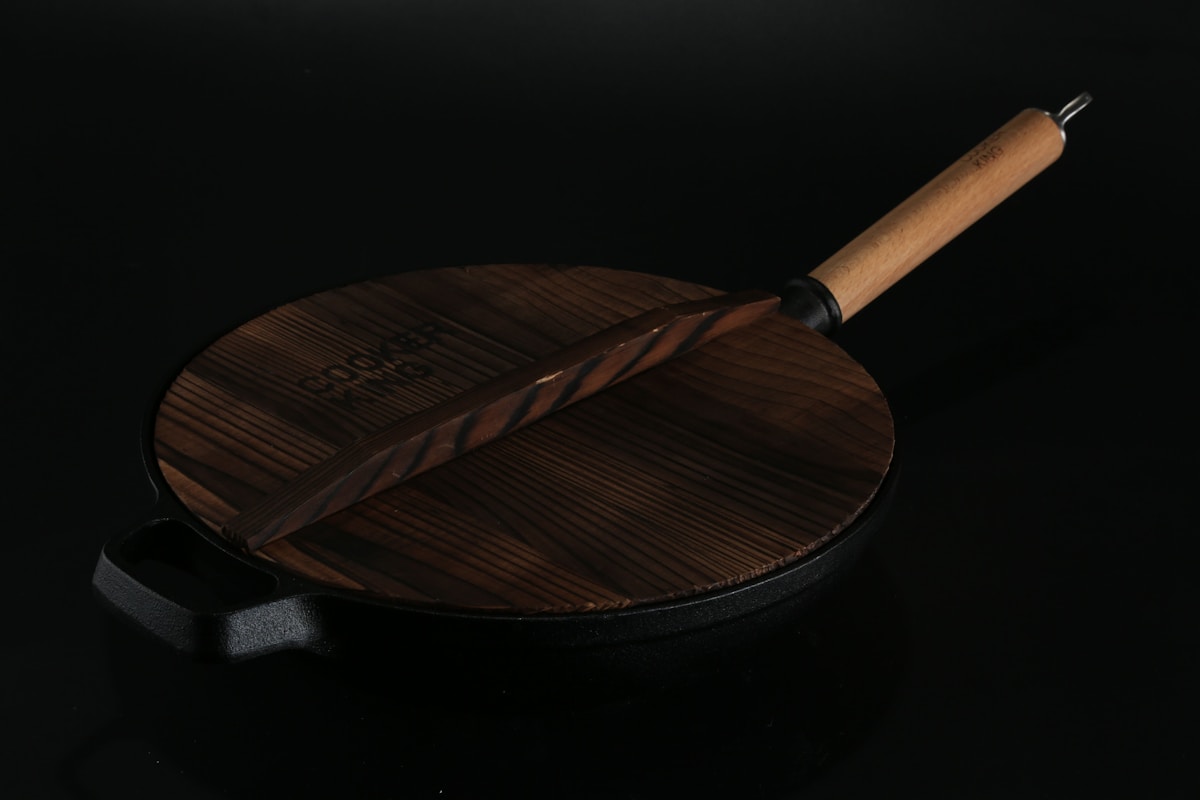
A Lodge 12-inch cast iron skillet costs around $40. That’s absurdly good value. The trade-off: weight (over 7 pounds) and maintenance. You need to dry it immediately after washing, rub with a thin layer of oil, and store it carefully. Over time, the seasoning builds up into a slick, non-stick surface that only improves. But new users often struggle with rust or sticking. If you’re willing to commit, cast iron delivers unmatched heat retention at a bargain price.
Pros: Outstanding heat retention, budget-friendly, develops non-stick seasoning, lasts forever. Cons: Heavy, requires seasoning and careful cleaning, not dishwasher safe, can crack if shocked with cold water.
Stainless Steel: The Versatile Workhorse
Stainless steel pans, like the All-Clad D3 ($150 for a 12-inch fry pan), are the go-to for many professional chefs. They don’t rust, they’re dishwasher safe, and they give you sensational fond — those browned bits that form the base of a pan sauce. The catch: stainless steel is not naturally non-stick. You must use the “Leidenfrost effect” technique: heat the pan until a drop of water skitters across the surface, then add oil, then add the steak. If you get the temperature right, the steak will release cleanly when it’s ready to flip.
Because stainless steel is less heat-retentive than cast iron, you may need to preheat longer or use a heavier pan (multiply or tri-ply). But it heats more evenly across the surface, eliminating hot spots. And after searing, you can deglaze with stock or wine to make a quick sauce without worrying about damaging seasoning. For the home cook who wants one pan for searing, sautéing, and sauces, stainless steel wins.
Pros: Even heating, non-reactive, dishwasher safe, excellent for pan sauces, durable. Cons: Prone to sticking if not preheated properly, lower heat retention than cast iron, more expensive.
Carbon Steel: The Lightweight Contender
Carbon steel pans are essentially the lightweight cousin of cast iron. Made from a thinner gauge of steel (typically 2-3 mm), they heat up faster and weigh noticeably less — a 12-inch carbon steel skillet from Made In or Matfer Bourgeat weighs around 3-4 pounds compared to 7. They require seasoning just like cast iron and develop a similar non-stick patina over time.
For steak searing, carbon steel offers a sweet spot. It gets hot quickly, retains heat well enough for a good crust, and is easier to toss or flip. Many enthusiasts claim it produces a crust as good as cast iron, provided you preheat it properly. The thinner walls mean it responds faster to temperature changes — useful if you want to sear and then reduce heat for basting with butter and herbs.
Price-wise, a 12-inch carbon steel pan costs about $70-$120. It’s lighter, easier to handle, and can be used on induction, gas, and even in the oven (up to 500°F). However, the seasoning is more delicate than cast iron — acidic foods like tomatoes can strip it quickly. Also, the handle gets hot, often requiring a mitt.
Pros: Lighter than cast iron, fast heating, good heat retention, develops non-stick seasoning, oven safe. Cons: Requires seasoning, handle gets hot, can warp if overheated, not dishwasher safe, prone to rust if neglected.
Which One Should You Choose?
The answer depends on your cooking style and priorities.
- For the budget-conscious purist: Cast iron. Get the Lodge 12-inch for $40. Use the oven preheat method. Accept the weight and maintenance. You’ll get incredible sears for decades.
- For the multitasker who loves sauces: Stainless steel. Invest in an All-Clad or Cuisinart MultiClad. Learn the water-drop test. You’ll sear, deglaze, and simmer all in one pan.
- For the active cook who values speed and agility: Carbon steel. Grab a Made In or Matfer pan. It’s a joy to handle and gives you nearly the same sear as cast iron with less arm strain.
Three Pro Tips for Any Pan
- Dry your steak thoroughly. Moisture is the enemy of browning. Pat it down with paper towels and let it sit uncovered in the fridge for an hour. Some people salt it 45 minutes ahead to draw out moisture — the salt then dissolves back in, seasoning the interior.
- Use a high smoke-point oil. Avocado, grapeseed, or refined canola. Olive oil will burn and off-flavor the steak.
- Don’t crowd the pan. Leave space between the steaks. If they touch, they steam instead of sear. Cook in batches if needed.
The Final Sear
I’ve tested all three pans side by side with the same USDA Prime ribeye. The cast iron gave a slightly thicker, crunchier crust. The stainless steel produced an equally beautiful sear with a bit more fond for sauce. The carbon steel was in between — easier to maneuver, but required a touch more attention to heat management.
No single pan is “best” for everyone. But now you have the knowledge to match the tool to your kitchen. Whether you choose cast iron, stainless, or carbon steel, remember: the magic happens when high heat meets a dry surface and patience. Your steak will thank you. (And so will the person who gets to eat it.)