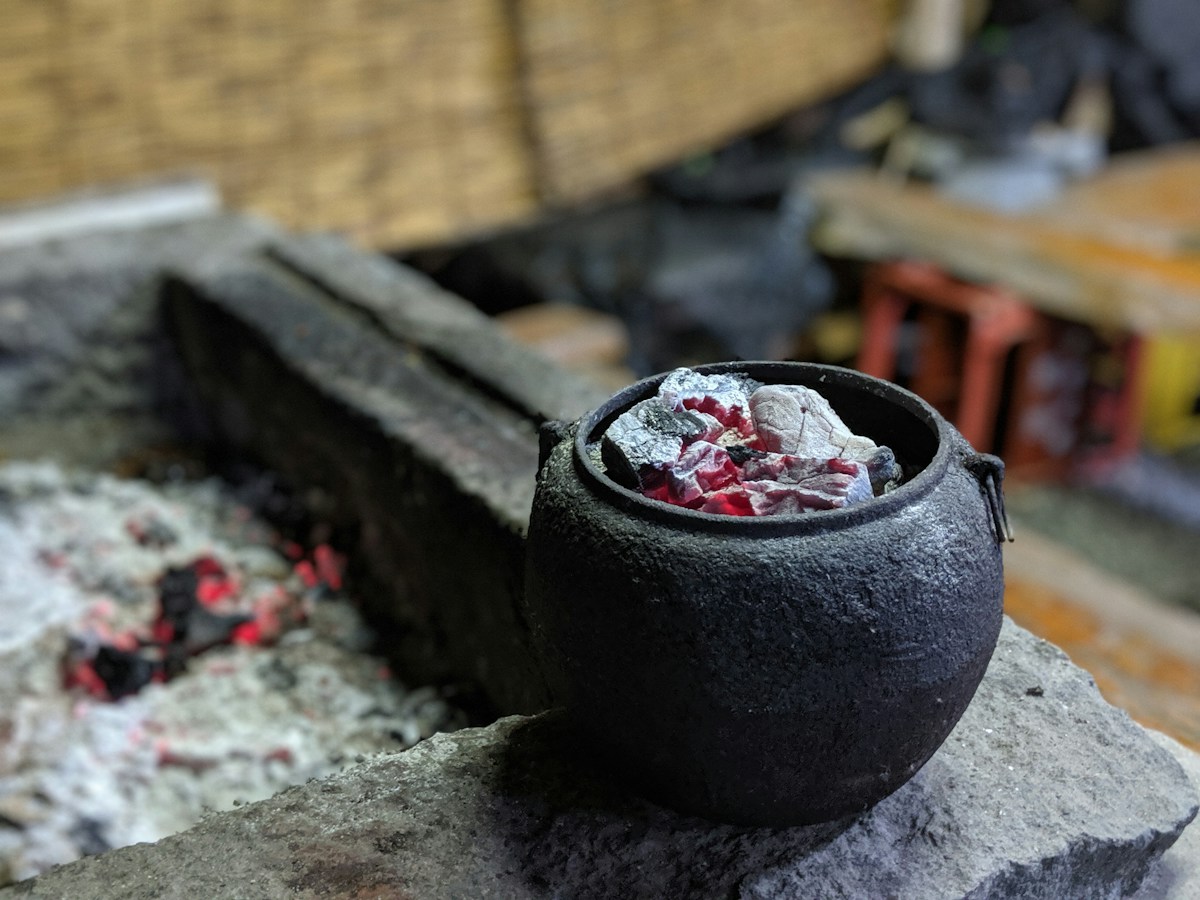
You are standing over a bubbling pot of soup when the practical questions arrive: Is it large enough for tomorrow’s leftovers? Can you lift it when full? Will tomato broth affect the cooking surface? And is that attractive vintage cauldron actually a useful bargain?
The best cast iron Dutch oven is not simply the heaviest or most expensive one. Before buying, check its capacity, shape, interior finish, lid, handles, empty weight, cooking-surface compatibility, and care requirements. Your usual recipes and willingness to maintain the pot matter more than brand reputation alone.
Key Takeaways
- Choose capacity based on your usual recipes, storage space, and ability to lift the full pot—not just the number of people you feed.
- A 4-quart pot can suit small portions and modest soups, but a 5- to 6-quart model is often more flexible for leftovers and family meals.
- Bare cast iron offers seasoning-based versatility, while enamel is often more convenient for acidic recipes and everyday cleanup.
- Check the lid, handles, empty weight, dimensions, cooktop compatibility, oven limits, and outdoor-use instructions before buying.
- Treat vintage cookware as a condition assessment first: cracks, warping, severe pitting, damaged enamel, and uncertain coatings are serious concerns.
1. Choose the Right Capacity and Shape
Capacity should be your first filter. A pot that looks generous on a shelf can feel surprisingly small once you add ingredients and leave room for stirring. At the same time, buying the largest cast iron Dutch oven available can create a heavy, awkward pot that spends more time in storage than on the stove.
A compact 4-quart cast iron cauldron can be practical for one or two people, modest portions of soup, a side dish, a small braise, or meals where you do not want several days of leftovers. It may also work well when cupboard space is limited. The trade-off is less room for batch cooking, large cuts of meat, or a substantial bean-based meal.
A pot in the approximately 5- to 6-quart range is often a flexible middle choice. It can suit a small family meal, soup or stew, bread experiments, and leftovers without becoming as cumbersome as a very large vessel. This is a useful starting point, not a universal rule: appetite, recipe habits, and storage space should decide.
A 7-quart or larger Dutch oven is more suitable when you regularly cook large batches of beans, stew, stock, braises, or family meals. It gives ingredients more room, but the added capacity also means more weight. A full pot may be difficult to move safely, especially from a low oven or crowded stovetop.
Think about your actual cooking pattern:
- For small-batch soup or two modest servings, around 4 quarts may be enough.
- For regular family meals and leftovers, compare mid-sized options around 5 to 6 quarts.
- For batch beans, large stews, meal preparation, or entertaining, inspect larger pots carefully.
- For bread, check the interior diameter and height, not capacity alone.
Shape affects how the pot fits into daily use. A wide, relatively shallow Dutch oven gives you more surface area for browning ingredients and makes stirring and serving easier. It can be a good choice for braises, stovetop cooking, and recipes that begin with onions, meat, or vegetables.
A taller, narrower pot may suit soup, stew, and limited stovetop space. It can hold useful volume without spreading across multiple burners, although a narrow base may give you less room for browning ingredients in batches. Neither shape guarantees better results; match the dimensions to your recipes and cooking surface.
Do not judge capacity by the pot alone. Compare the listed interior dimensions, exterior dimensions, and empty weight. Then imagine the contents inside it. A cast iron soup pot holding several quarts of liquid will be much harder to lift than the empty cookware felt in a store.
2. Compare Bare Cast Iron With Enameled Cast Iron
The choice between bare and enameled cast iron changes both cooking habits and maintenance. Bare cast iron has an exposed iron cooking surface that is normally maintained through seasoning. Enameled cast iron has a glass-like coating over the cooking surface, so it does not require the same interior seasoning routine.
Bare cast iron is appealing if you enjoy building and maintaining seasoning, want cookware that can be useful indoors or outdoors, and prefer a surface without an enamel coating. It can be a practical choice for camping cast iron cookware when the specific design is made for that use and has features such as a stable base or suitable lid.
The maintenance is not difficult, but it is ongoing. After cooking, clean the pot according to the manufacturer’s guidance, dry it completely, and apply a light coat of oil when appropriate. Trapped moisture can encourage rust, so storage matters as much as washing.
Acidic ingredients and prolonged cooking deserve extra thought with bare cast iron. Tomato, wine, vinegar, and other acidic ingredients do not automatically make bare cast iron unusable, but the result can depend on the condition of the seasoning, the recipe, and the length of cooking. If these dishes are a regular part of your cooking, check the manufacturer’s guidance and consider whether enamel would be more convenient.
Enameled cast iron is often attractive for tomato-based soups, wine-based sauces, and cooks who want simpler cleanup. It avoids the same seasoning expectations as bare iron, although it still needs sensible care. Enamel can chip, scratch, or suffer damage from rough handling, unsuitable utensils, abrupt temperature changes, or aggressive cleaning methods.
The practical decision is straightforward:
- Choose bare cast iron if you are comfortable with seasoning and want versatile indoor or outdoor cookware.
- Consider enamel if acidic recipes and everyday convenience are priorities.
- Check the care instructions before using abrasive tools, strong detergents, or metal utensils.
- Treat damaged or chipped enamel as a condition issue, not as a cosmetic detail to ignore.
Do not assume enamel eliminates all maintenance. You still need to avoid knocks, inspect the surface, dry the pot properly, and follow the manufacturer’s instructions.
3. Inspect the Lid, Handles, Weight, and Compatibility
A Dutch oven lid deserves as much attention as the pot. Place the lid on the body, if possible, and check that it sits securely without obvious rocking or an uneven gap. A well-fitting lid can help limit moisture loss, but the exact result depends on the design, recipe, heat, and cooking time. Do not buy on the assumption that every lid creates the same cooking environment.
Look at the lid handle or knob next. It should be large enough to grip while wearing appropriate oven protection, and its material should be suitable for the temperatures you plan to use. Confirm the manufacturer’s stated oven limits rather than assuming that a metal or dark-colored knob is automatically suitable for every cooking method.
Side handles should provide balance and clearance for your hands. Small loop handles can save space but may be harder to grip with bulky oven mitts. Broad handles can be easier to control, but they also require more room on the stovetop and in storage.
The most important test is to imagine lifting the pot when full. A heavy empty pot plus soup, beans, or stew can become difficult to control. If you usually cook alone, have limited upper-body strength, or move cookware between a low oven and countertop, a smaller pot may be the safer practical choice.
Before buying, compare these specifications:
- Empty weight
- Interior and exterior dimensions
- Listed capacity
- Handle-to-handle width
- Lid weight and design
- Oven and broiler limits
- Stovetop compatibility
- Induction compatibility, if relevant
- Outdoor-use instructions
Cast iron heats gradually and retains heat for a long time, so allow for careful handling after cooking. Use suitable oven protection, lift with both hands when the design allows, and place hot cookware on a stable, heat-resistant surface. Keep handles positioned so they are not easily bumped, and check the instructions for your particular pot rather than relying on assumptions about all cast iron cookware.
4. Match the Dutch Oven to Indoor and Outdoor Cooking
A cast iron Dutch oven can cover several jobs, but one design may not be equally convenient for every setting. Start by listing your most common uses: soup, beans, stew, bread, braising, stovetop cooking, oven meals, or occasional camping.
For soup and stew, capacity and lid fit usually matter most. A taller pot can be useful when stovetop space is tight, while a wider pot may make sautéing vegetables and browning meat easier before liquid is added. If you often cook beans, leave enough room for the quantity you normally prepare and account for expansion and stirring space.
For bread, inspect the interior diameter, height, lid shape, and manufacturer’s oven guidance. A pot can have a large stated capacity but still have dimensions that do not suit the loaf or baking method you intend to use. Avoid treating a Dutch oven as automatically ideal for bread simply because it is made from cast iron.
For stovetop braising, check whether the base fits comfortably on your burner and whether the handles leave enough clearance. A very wide pot may crowd neighboring burners, while a tall pot may be harder to stir if it is placed beneath a low cabinet or hood.
Outdoor cooking adds different requirements. If you are considering camping cast iron cookware, look for a stable design, a lid that can be handled securely, and compatibility with your planned heat source. Some outdoor-oriented pots include features such as a bail handle or a base designed for a particular setup, but these features can make the cookware less convenient for daily indoor use.
Use this checklist before choosing one pot for both locations:
- Small-batch soup: prioritize manageable weight and easy stovetop access.
- Family-size beans: prioritize enough capacity, stirring room, and safe lifting.
- Bread: compare interior dimensions, lid design, and oven limits.
- Stovetop braising: check base width, handle clearance, and burner fit.
- Oven cooking: verify temperature and lid-knob instructions.
- Occasional camping: confirm the pot suits the actual outdoor setup, not just its appearance.
A pot built for occasional camp cooking may be heavier and less pleasant for daily kitchen use. If outdoor cooking is only occasional, a manageable indoor Dutch oven may be a better overall purchase than a specialized design.
5. Set Realistic Dutch Oven Care Expectations
Care should be part of your buying decision. With bare cast iron, remove food according to the manufacturer’s cleaning guidance, dry the cookware completely, and use a light oiling or seasoning routine when appropriate. The goal is to keep the surface protected without leaving a heavy, sticky layer of oil.
If food is stuck, start with a gentler cleaning approach rather than immediately using harsh abrasives. Persistent rust may require additional restoration, but not every damaged surface can be returned to a condition you will enjoy using. Severe pitting, cracks, or structural damage are different from ordinary residue and should not be treated as simple cleaning problems.
Enameled cast iron does not need the same interior seasoning as bare iron. However, the coating needs careful treatment. Follow the product instructions for detergents, utensils, soaking, and abrasive cleaners. Avoid assuming that a coating is indestructible because it looks smooth.
Store either finish completely dry. Leaving the lid tightly closed over a damp interior can trap moisture, so allow airflow where appropriate. If the pot includes a lid and the manufacturer provides storage guidance, follow it. A dry storage area also makes it easier to notice rust, chips, or new damage before the next use.
The maintenance question is personal. If you enjoy seasoning and do not mind drying and oiling, bare cast iron may offer the flexibility you want. If you want easier management of acidic recipes and do not want to maintain an exposed iron surface, enamel may justify its added care around chips and scratches.
6. Evaluate Vintage or Secondhand Cast Iron Separately
A vintage or secondhand cast iron Dutch oven can be useful, but age alone does not prove quality, safety, authenticity, or value. Inspect it as cookware first and a collectible second.
Reject or approach with substantial caution any piece with a visible crack, serious warping, unstable handles, a lid that cannot sit securely, or severe pitting that affects the cooking surface or structure. Also inspect for rough repairs, loose components, damaged enamel, and areas that may make the pot difficult to clean or handle safely.
Ask what the interior actually is. It may be bare cast iron, enameled, heavily restored, coated with an uncertain material, or affected by old residue. Unknown history is a reason to investigate further, not automatic proof that the cookware is unsafe or valuable. If you cannot establish what a coating is or whether the piece is structurally sound, do not treat a low price as compensation for the uncertainty.
Check markings, dimensions, lid fit, handles, and condition. Compare the piece with the same criteria you would use for new cookware: capacity, weight, compatibility, intended recipes, and care burden. A vintage pot with attractive markings but an unstable lid may be less useful than an ordinary-looking pot in better condition.
Value depends on details such as identification, age, condition, completeness, provenance, and local demand. Do not assign a price because a piece is old, unusually shaped, or heavily seasoned. If collecting matters to you, seek reliable identification and current market evidence before paying a premium.
FAQ
What is the best Dutch oven size for two people or a small household?
There is no universal answer. A 4-quart pot may work for modest soup portions, side dishes, and small meals, while a 5- or 6-quart pot gives more room for leftovers and occasional batch cooking. Choose based on your recipes, storage, and ability to lift the full pot.
Is enameled or bare cast iron better for soup and beans?
Both can be suitable, but they create different routines. Bare cast iron requires seasoning and more attention to drying, while enamel may be more convenient for acidic recipes and everyday cleanup. Check the manufacturer’s guidance for the ingredients and cooking times you use most.
Can a cast iron Dutch oven be used for camping as well as indoor cooking?
Sometimes, but confirm the design and instructions first. A pot suitable for camping should match your planned heat source and handling method. Outdoor-oriented features can add weight or reduce convenience in a kitchen, so compare indoor and outdoor priorities before choosing one pot for both.