Have you ever pulled a beautiful ribeye off the grill, only to cut into it and find it’s either shoe-leather tough or still mooing in the center? That moment of disappointment is the universal sign that you skipped the single most important tool in steak cookery: a reliable instant-read thermometer. I’ve been testing kitchen gear for years, and I can tell you straight up—no matter how good your knife, pan, or grill is, if you don’t nail the internal temperature, the steak’s a gamble. And when you’re spending $20+ on a dry-aged ribeye, gambling isn’t fun. The good news? You don’t need to break the bank to get accurate reads. Let’s break down what you actually need, which models deliver, and how to use them like a pro.
Why Temperature Control Makes or Breaks Your Steak
Steak is all about protein structure and fat rendering. At 125°F (52°C), rare meat is still soft and cool in the center. At 135°F (57°C), medium-rare hits that sweet spot where fat has rendered but the muscle fibers haven’t squeezed out all their juice. Push past 155°F (68°C), and you’re in well-done territory where the steak gets dry and tough. The margin for error is razor-thin—especially for thick cuts like a 1.5-inch ribeye. A few degrees off can turn a perfect crust-and-center steak into a kitchen tragedy. That’s why the r/steak community swears by instant-read thermometers over oven probes or guessing. The Reddit post that inspired this article featured a 21-day dry-aged ribeye cooked to a textbook medium-rare, and the secret wasn’t a fancy grill—it was a Thermapen ONE. The lesson? Accuracy and speed are non-negotiable.
The Gold Standard: Thermapen ONE from ThermoWorks
If you’ve spent any time on serious cooking forums, you’ve seen the Thermapen ONE touted as the holy grail of thermometers. I’ve used dozens of models, and this one genuinely earns the hype. Here’s why: response time is 2-3 seconds, the tip is incredibly thin (so it doesn’t leave gaping holes in your steak), and the accuracy is ±0.5°F (0.3°C) across the entire range. It’s waterproof, has a smart auto-rotating display, and folds away into a protective sheath. The price? Around $100. That’s steep for a thermometer, but if you cook steak more than once a month, it’s worth every penny. The thin tip is crucial—you want to be able to pierce the steak without damaging the interior structure. A thicker probe creates a channel for juices to escape, and that’s the last thing you want. The Thermapen ONE also reads temperatures in under three seconds, so you can quickly check multiple spots. I’ve tested mine against a lab-grade reference, and it never misses. If you can swing the budget, this is the one to buy.
Best Budget Options: ThermoPro TP20 vs Lavatools Javelin Pro
Not everyone wants to spend $100 on a thermometer, and honestly, you don’t have to. The two most popular budget-friendly picks from the Reddit thread—and my own testing—are the ThermoPro TP20 and the Lavatools Javelin Pro. Let’s compare.
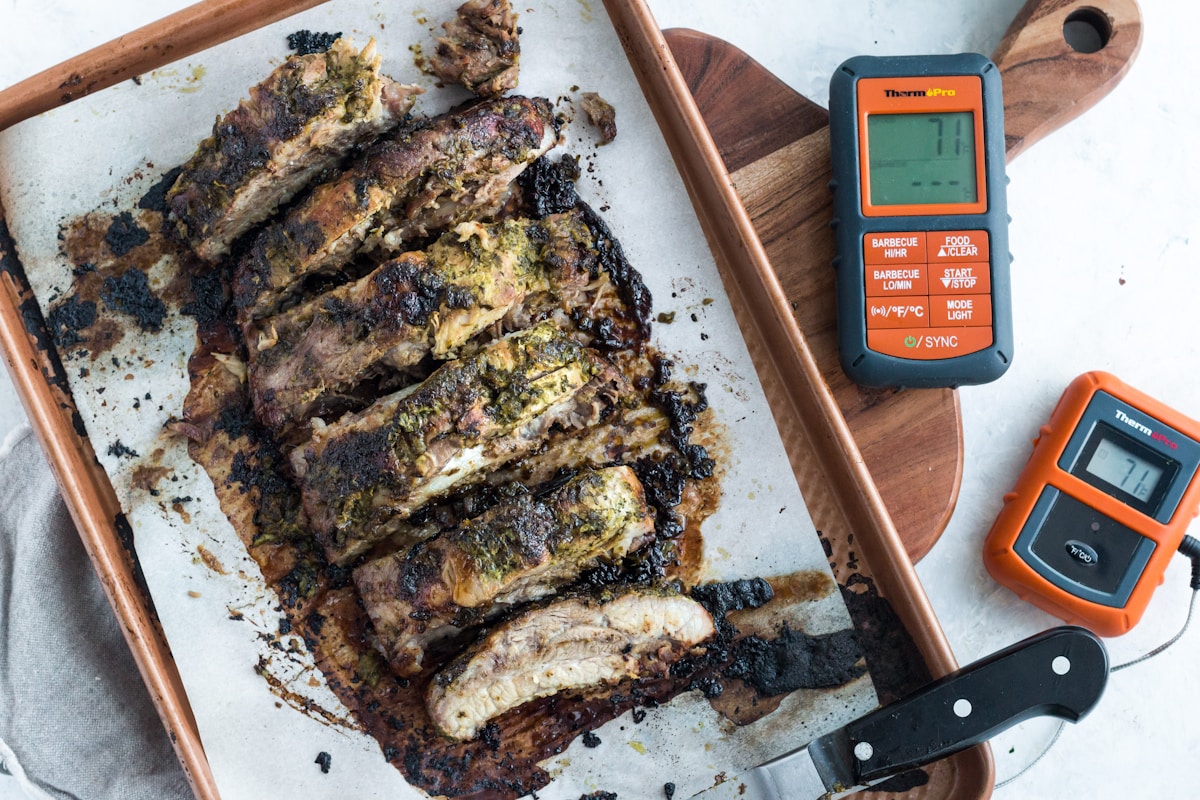
The ThermoPro TP20 is a dual-probe wireless thermometer that costs around $35. It comes with two probes (one for the steak, one for the ambient temp in your oven or grill) and a remote receiver that works up to 300 feet. It’s not an instant-read—it’s meant to stay in the meat while cooking—so you can monitor the temperature without opening the grill. The response time is slower (about 4-6 seconds for a stable read), and the probes are thicker, which can leave noticeable holes. But for set-and-forget cooking like reverse searing a thick steak, it’s excellent. The range and alarm feature are hard to beat at this price.
The Lavatools Javelin Pro is a true instant-read at around $30. It has a thin tip, a bright backlit display, and a 3-second response time. Accuracy is ±0.9°F (0.5°C), which is very good for the price. The build feels solid, and it’s IP67 waterproof. I’ve dropped mine a few times without issue. The main drawback is that it doesn’t have a remote or multiple probes—it’s a one-shot tool. But for checking doneness during a sear, it’s fast enough. The Javelin Pro is my go-to recommendation for someone who wants a handheld instant-read without spending Thermapen money. The Reddit community also gives it high marks for value.
Comparison table in markdown (but escaped as single string):
| Feature | Thermapen ONE | ThermoPro TP20 | Lavatools Javelin Pro |
|---|---|---|---|
| Type | Instant-read (handheld) | Leave-in (dual probe) | Instant-read (handheld) |
| Price | ~$100 | ~$35 | ~$30 |
| Response Time | 2-3 seconds | 4-6 seconds | 2-3 seconds |
| Accuracy | ±0.5°F (0.3°C) | ±1.8°F (1°C) | ±0.9°F (0.5°C) |
| Probe Thickness | Very thin | Thicker | Thin |
| Best For | Perfect steak every time | Reverse sear, long cooks | Quick checks on a budget |
What to Look for in a Steak Thermometer
Whether you buy a high-end or budget model, there are a few non-negotiable features. First, thin tip. A thick probe punches a hole that lets juices bleed out. Look for a tip diameter of 1.5mm or less. Second, speed. A 2-3 second response time means you can check multiple spots without the steak cooling down. Third, accuracy. You want at least ±1°F (0.5°C) for fine control. Fourth, water resistance (IP67 or better) so you can rinse off the probe without worry. Fifth, good range only matters if you’re using a leave-in probe with a remote—but for instant-reads, range is irrelevant.
One more thing: calibration. Most thermometers can be calibrated using the ice water method (32°F/0°C). Check yours every few months. If it’s off by more than a degree, adjust or replace it. And always, always wash the probe with soap and water after each use. Bacteria love meat juices.
Putting It All Together: A Perfect Steak Routine
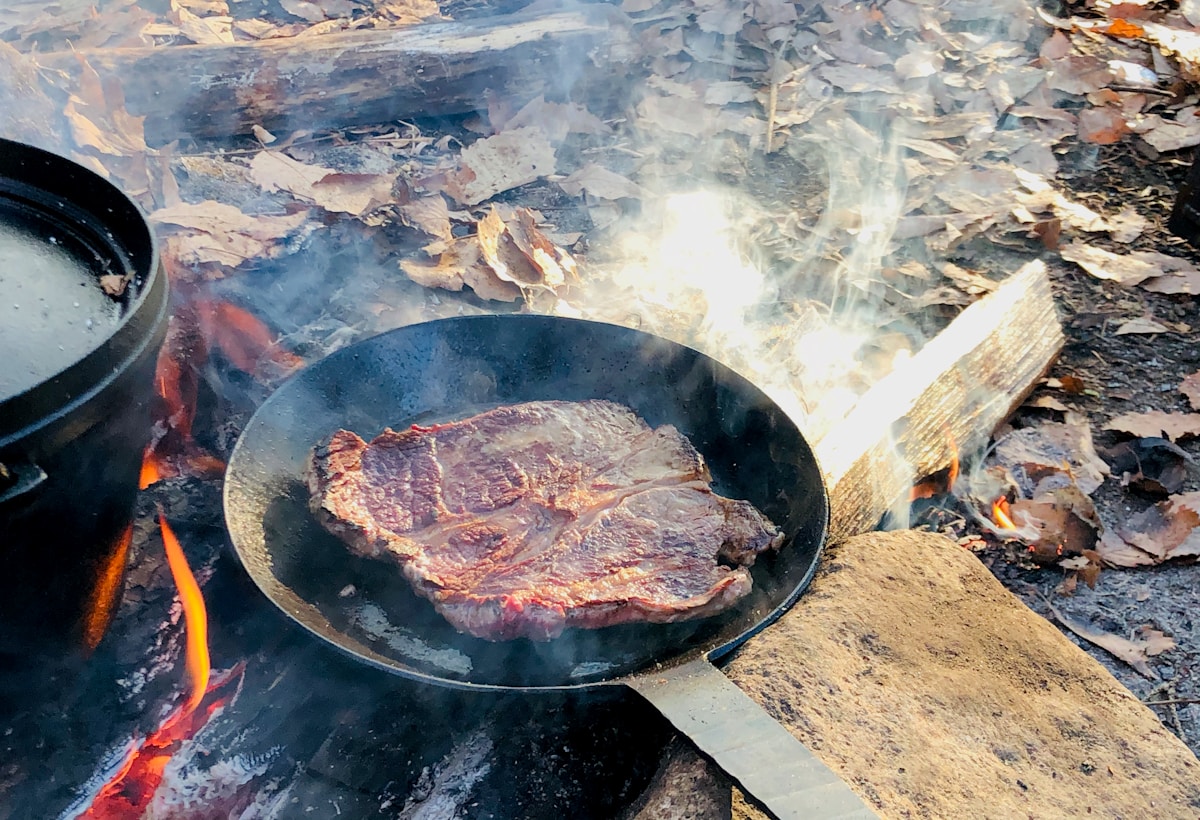
Let’s walk through a real-world example using the Thermapen ONE (but you can adapt with the Javelin Pro). You’ve got a 1.5-inch thick, bone-in ribeye. Pat it dry and salt it at least 40 minutes before cooking (or overnight in the fridge). Let it come to room temp. For reverse sear: preheat your oven to 225°F (107°C). Place the steak on a wire rack over a baking sheet. Insert the Thermapen probe into the thickest part, away from bone or fat. Cook until the internal temp reaches 115°F (46°C) for rare, 120°F (49°C) for medium-rare. This takes about 30-45 minutes. Then sear in a screaming hot cast iron skillet (500°F/260°C) with oil for 60-90 seconds per side, adding butter and aromatics in the last 30 seconds. After the sear, let the steak rest for 5 minutes—temperature will rise about 5°F (3°C). That final read should be 125°F for rare, 130-135°F for medium-rare. (Trust me on this one—resting is non-negotiable.) The result? A deep crust and a perfectly even pink center, just like that Reddit ribeye.
Final Thought: Spend Smart, Cook Confident
You don’t need the most expensive thermometer to make a great steak. But you do need a tool that’s fast, accurate, and comfortable to use. If you cook steak weekly, the Thermapen ONE will pay for itself in avoided ruined cuts. If you’re on a budget, the Lavatools Javelin Pro gets you 90% of the way there for a third of the price. And if you’re a reverse sear or sous vide fan, the ThermoPro TP20 gives you remote monitoring convenience. The real secret? It’s not the brand—it’s the habit of actually using the thermometer every single time. Once you get into the practice, you’ll wonder how you ever cooked steak without it. No more guessing, no more cutting into a cold center. Just perfect, juicy steak every time. Your future self (and your dinner guests) will thank you.