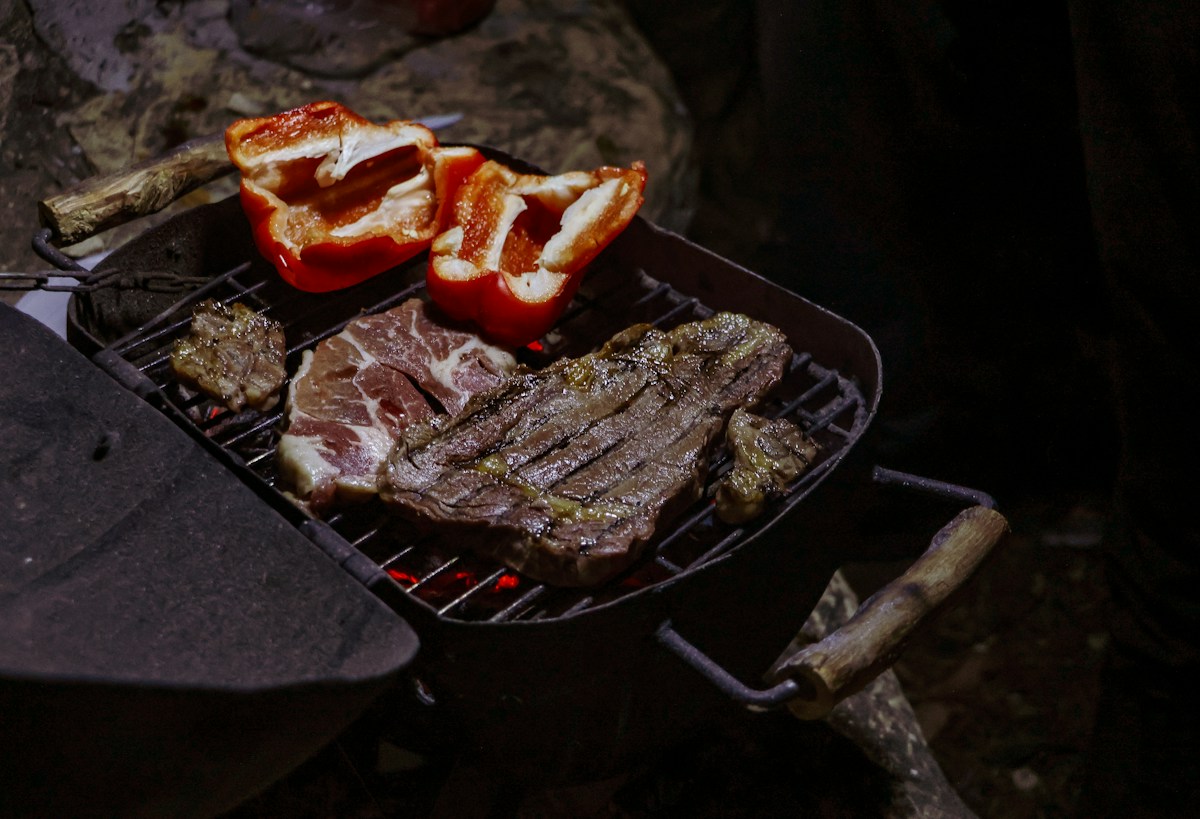
You have two burgers, a few vegetables, and a small patio or backyard that does not need a full outdoor kitchen. A compact cast iron grill can make that meal feel special, but it is not automatically the easiest option.
The best cast iron grill is the one that fits your usual meal size, legal outdoor space, storage options, and willingness to manage charcoal and cast iron care. For many small households, that means choosing between an open hibachi-style grill for direct cooking and a compact covered charcoal grill for greater flexibility.
Key Takeaways
- A compact cast iron grill is best for occasional meals for one or two people, not frequent large cookouts.
- Open hibachi grills favor quick, direct charcoal cooking; covered models offer more flexibility for indirect-style cooking.
- Check usable grate space, assembled weight, stable legs, vents, handles, and replacement-part availability before buying.
- Charcoal grilling requires legal outdoor placement, complete ash cooling, dry storage, and regular cast iron maintenance.
- Choose gas, a larger charcoal grill, or an indoor alternative if convenience, capacity, or local restrictions matter more than charcoal flavor.
The best cast iron grill depends on how you cook
A compact cast iron grill suits cooks who make occasional outdoor meals for one or two people and enjoy the hands-on feel of charcoal cooking. It can work well for burgers, sausages, chicken pieces, vegetables, fish, or a small batch of skewers.
Cast iron’s appeal is its sturdy construction and heat retention. The trade-off is that it is heavy for its size, takes time to warm up, and needs protection from moisture. Charcoal also means lighting, airflow management, cooled ash cleanup, and more post-meal work than a gas grill.
Think of a compact outdoor grill as a focused tool, not a crowd-feeding shortcut. If you regularly cook for four or more people, want multiple foods cooking at once, or need plenty of room for a two-zone fire, a larger charcoal grill is likely the better fit.
Use this quick fit check before shopping:
- You usually cook for one or two people, with occasional small meals for three.
- You have a permitted outdoor location with a stable, noncombustible surface.
- You can store charcoal and the grill in a dry place.
- You are comfortable lighting charcoal, managing airflow, and cleaning up ash after cooking.
- You can lift and store a heavy grill safely after it has cooled completely.
Charcoal grilling is not allowed everywhere. Confirm local requirements, property rules, lease or homeowners association restrictions, campsite rules, and the grill manufacturer’s instructions before using a small charcoal grill on a patio, balcony, or shared outdoor area.
Compare compact cast iron grills by the features that affect real dinners
Product labels can make small grills sound more spacious than they feel in use. What matters most is usable grate space: the area where food can sit without crowding, overhanging the edges, or making it difficult to turn.
For a backyard grill for two, picture a typical meal rather than relying on a serving claim. A compact grate may hold a few burgers with room to turn them, several smaller chicken pieces, vegetables in a grill basket, or a small run of skewers. A mixed meal with burgers, corn, and vegetables may require cooking in batches.
A simple way to estimate capacity is to use a sheet pan or large skillet at home. Arrange the amount of food you normally grill with small gaps between pieces, then compare that footprint with the manufacturer’s listed cooking dimensions. This gives you a more realistic sense of whether the grill will feel roomy or cramped.
Heat control matters more than maximum heat. Small charcoal grills can produce intense direct heat, but their control depends heavily on design. Look for:
- An adjustable grate height to change the distance between food and coals.
- Air vents that can influence airflow when the grill design includes them.
- Enough room to arrange coals unevenly for a hotter and cooler side.
- Ash access that makes cleanup less awkward once everything is fully cool.
- A lid if you want more flexibility for indirect-style cooking or mild wind protection.
An open cast iron hibachi grill usually favors direct heat. You can easily see, turn, and move food, which works well for thin cuts, burgers, vegetables, shrimp, and quick-cooking skewers. Its limitations are exposed heat, less wind protection, and fewer options for gently cooking thicker foods away from the coals.
A covered compact charcoal grill adds another layer of flexibility. Closing the lid creates a more enclosed cooking environment, which can help with foods that benefit from steadier heat. However, a lid does not make charcoal cooking automatic; you still need to follow the manual for vents, fuel, and charcoal placement.
Portability is more than physical size. A portable cast iron grill may be compact, but it is rarely lightweight. Check the total assembled weight, handle placement, whether handles are intended for use only when cold, and whether the grill fits safely in your storage area or vehicle.
Stable legs matter just as much as weight. Look for a low, broad stance rather than narrow or wobbly legs. If the grill folds, inspect how the legs lock, whether hardware can be tightened, and whether replacement hardware is available. Never plan to move a charcoal grill while it is hot or while ash may still be warm.
Do not overlook grate material and replacement parts. Bare cast iron grates need different care than porcelain-coated or stainless-steel grates. Confirm what material you are buying, then follow the relevant care instructions. Available replacement grates, ash pans, vents, handles, legs, and hardware can make a compact grill easier to keep in service.
Finally, measure storage dimensions, not just cooking space. A grill may fit on a patio but still be awkward in a shed, garage, or apartment storage area. Account for its lid, legs, handles, charcoal container, tools, and a safe place for fully cooled ash.
Choose the best cast iron grill style for your cookout priorities
There is no universal winner. The best cast iron grill style depends on what you cook, how often you use it, and how much work you want before and after dinner.
Open cast iron hibachi grill
An open hibachi is often the best cast iron grill style for cooks who want straightforward direct charcoal cooking and easy access to food. It suits burgers, hot dogs, thinner chops, vegetables, shrimp, and skewers where frequent turning is part of the process.
Choose this style if you want a compact setup, do not need a lid, and are happy to cook in small batches. It is less suitable if you want protected indirect cooking, expect breezy conditions, or need several foods to cook at different rates.
Compact covered charcoal grill with cast-iron cooking grates
A covered charcoal grill with cast-iron cooking grates is a better fit for cooks who want more flexibility than an open hibachi provides. A lid and adjustable vents may support a wider range of charcoal arrangements, while cast iron offers a durable cooking surface.
The trade-offs are extra bulk, more parts to clean, and more involved setup. Choose this style if your small cookouts sometimes include thicker chicken pieces, larger vegetables, or foods that benefit from a cooler area of the grill.
Portable cast iron grill for travel or camping
A travel-focused cast iron grill is for cooks who value sturdy construction more than ultralight carrying. Check packed size, handle design, leg stability, and whether you will have a safe, permitted place to use it at your destination.
This style can make sense for car camping or moving from storage to a backyard. It is a poor match for long walks, crowded outdoor spaces, or any location where charcoal fires are restricted.
Use this decision framework:
- Choose an open hibachi if direct grilling, small portions, and simplicity are your priorities.
- Choose a covered model if heat control and occasional indirect-style cooking matter more than minimal weight.
- Choose a travel model only if you can manage its weight and verify local fire restrictions.
- Choose another grill type if you need fast ignition, frequent weeknight use, or more capacity than a small grate provides.
Set up, cook, and care for a small charcoal grill safely
Use a compact cast iron grill only outdoors where charcoal grilling is permitted. Place it on a stable, noncombustible surface away from structures, dry vegetation, busy walkways, and areas where children or pets may reach hot surfaces. Follow your model-specific manual and local rules for placement, assembly, fuel choice, and operation.
Use only the charcoal, lighting method, and ventilation approach approved for your grill. Avoid improvising with fuels or lighting products the manufacturer does not recommend. Small grills have limited room, so overfilling them with charcoal can make food harder to manage and leave little space for a cooler zone.
For food handling, keep raw food and cooked food separate. Use clean tools and plates for finished food, and use a food thermometer when appropriate. Check current USDA guidance for safe internal temperatures rather than relying on appearance alone.
After cooking, allow coals and ash to cool completely before handling or disposal. Follow the grill manual and local disposal requirements. Ash can retain heat longer than expected, even after visible flames are gone.
Cast iron care is simple but ongoing. Clean the grate or grill body as directed, dry it thoroughly, and apply a very thin layer of cooking oil when the manufacturer recommends it. Store bare cast iron in a dry place to reduce rust risk.
Do not assume every cast iron component needs the same treatment. Bare cast iron, coated cast iron, and enameled pieces can have different cleaning and seasoning requirements. Check the instructions before using detergent, abrasive tools, rust removers, or high-heat cleaning methods.
When a compact cast iron grill is not the best choice
A tabletop gas grill is often better for cooks who want easier ignition, less ash cleanup, and a more practical weeknight routine. You still need to consider outdoor-use rules, fuel storage, and the appliance manual, but gas reduces much of the preparation and cleanup associated with charcoal.
A larger charcoal grill is a better choice for regular family meals, larger gatherings, and cooking with a more useful two-zone setup. More grate space gives food room to cook without crowding and makes it easier to separate quick-cooking vegetables from foods that need more time.
If charcoal is not legal or safe where you live, consider an electric outdoor grill if permitted, a grill pan, or an indoor countertop appliance. These options do not duplicate charcoal flavor, but they may be more realistic for apartment kitchens, shared buildings, and weather-sensitive routines.
Before buying, run through this final checklist:
- Measure both cooking space and stored space.
- Estimate your usual number of servings, not your occasional biggest cookout.
- Confirm that charcoal use is permitted where you plan to grill.
- Check assembled weight, handle design, and leg stability.
- Read the manual for approved fuel, airflow, cleaning, and storage guidance.
- Plan for dry charcoal storage, fully cooled ash disposal, and cast iron maintenance.
FAQs
Is a cast iron hibachi grill large enough for dinner for two?
Often, yes, if dinner is simple and you accept that some foods may cook in rounds. A hibachi can work well as a backyard grill for two when you are making burgers, sausages, a few chicken pieces, vegetables, or skewers. It becomes limiting when you want several separate dishes cooking at once.
Are portable cast iron grills difficult to clean and maintain?
They are not necessarily difficult, but they require regular attention. Charcoal creates ash, and bare cast iron needs thorough drying and appropriate oiling or seasoning care. A simple design with accessible ash areas and few moving parts is usually easier to maintain than a compact grill that is awkward to disassemble.
Can I use a small charcoal grill on a patio or balcony?
Only if charcoal grilling is permitted by local rules, property restrictions, and the grill manufacturer’s instructions. Having outdoor space does not automatically mean charcoal use is allowed. Confirm the requirements before purchase, and choose an electric or other permitted alternative if charcoal is restricted.