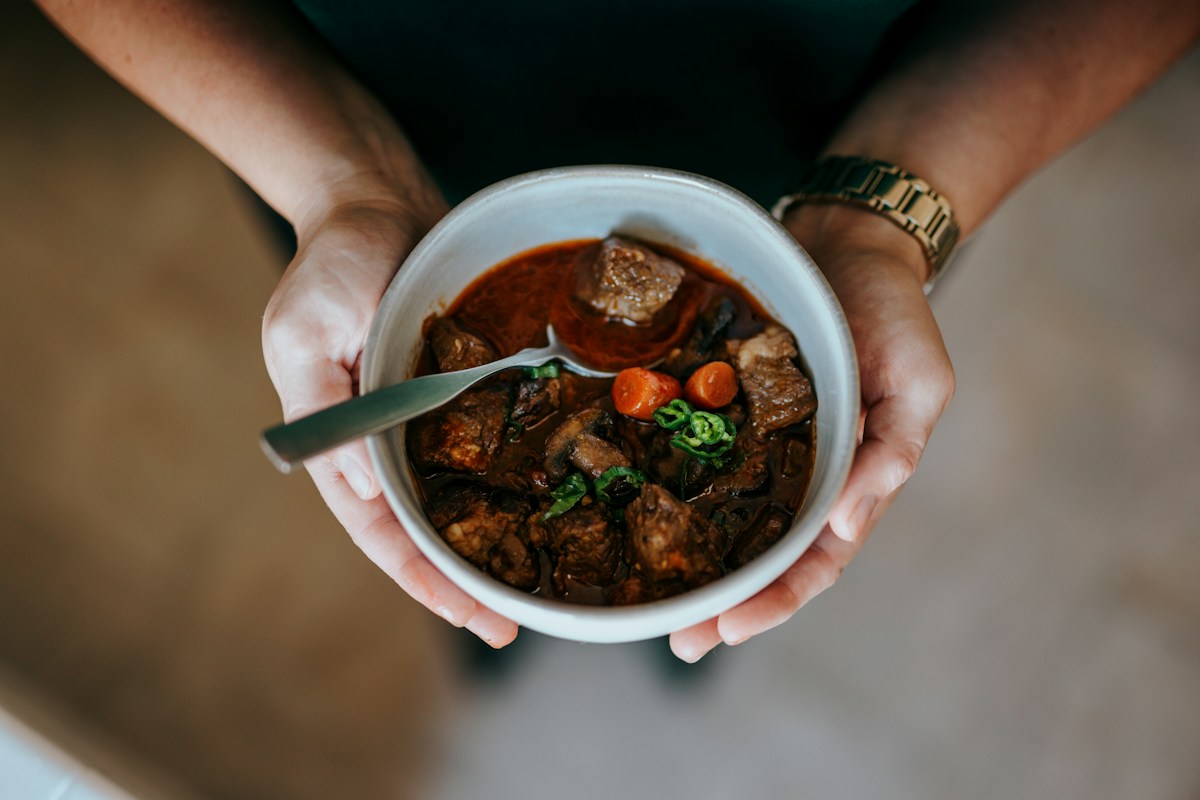
The front door opens, cold air rushes in, and suddenly three tired superheroes, witches, or dinosaurs are asking what is for dinner. The candy bags are full, costumes need attention, and nobody wants to start chopping vegetables at that moment.
The best after trick-or-treating dinner is warm, filling, easy to portion, and forgiving when plans change. For most families, that means preparing nearly everything ahead and choosing a meal that can be served in small amounts as children return.
Key Takeaways
- Chili, soup, baked pasta, tacos, and French bread pizza can all work well for a flexible Halloween dinner.
- Prepare the main dish, toppings, and serving tools before costumes and trick-or-treating begin.
- Serve small portions without pressure, especially when children have already eaten candy or return at different times.
- Keep perishable foods refrigerated or safely hot-held; do not leave them on the counter while the family is away.
- Add crunchy toppings, fresh herbs, avocado, and other texture-sensitive ingredients just before serving.
Chili is one of the most flexible choices, but it is not the only answer. Soup, baked pasta, tacos, sloppy joes, sheet-pan meals, and French bread pizza can all work. The right option depends on your equipment, the weather, your serving schedule, and what your children will actually eat.
Why Make-Ahead Meals Work on Halloween
Halloween dinner rarely follows a normal schedule. One child may be ready to leave early, another may need help with a costume, and family members may return from trick-or-treating in separate groups. A meal that depends on everyone sitting down at one exact time can create more stress than it solves.
A make-ahead meal gives you a head start. You can chop vegetables, cook a filling, assemble a casserole, or prepare toppings before costumes come out. When the family returns, the remaining work should be limited to reheating, baking, assembling, or ladling a portion.
Look for four qualities when choosing a family Halloween supper:
- Flexible timing: It should tolerate a delayed return or staggered serving.
- Easy portions: Children can have a small bowl, half a sandwich, or a few bites without creating much waste.
- Simple customization: Toppings and sides let family members adjust the meal without creating separate dinners.
- Low last-minute effort: You should not need to balance a hot pan, hungry children, and the doorbell at the same time.
Warm foods are especially appealing after a chilly evening outside, but the meal does not need to be elaborate. A small serving of soup with bread may be enough for one child, while another may want a fuller plate later. Offer food without pressure when children have already eaten some candy or are too excited to eat much right away.
The Best After-Trick-or-Treating Dinner Ideas
1. Chili for the Most Flexible Schedule
Chili is a strong slow-cooker dinner option for Halloween because it portions easily and pairs with toppings that children can choose themselves. Make a bean chili, beef chili, turkey chili, or mild vegetable version using a tested recipe your family already enjoys.
Serve it in small bowls with toppings such as shredded cheese, plain sour cream or yogurt, sliced green onions, avocado, crackers, or tortilla chips. Keep spicy sauce, jalapeños, and other hot toppings separate so each person can control the heat.
Chili works well when people return at different times, but a slow cooker does not solve every food-safety problem. Cook and hold the food according to the appliance instructions and your recipe. Do not leave perishable food unattended on the counter while everyone is away, and do not assume a slow cooker makes improperly cooled or stored food safe.
Best for: Cold weather, staggered arrivals, and families who enjoy a topping bar.
Watch for: Very thick chili, which can heat unevenly, and toppings that become watery or limp if added too early.
2. Soup With Bread or Grilled Cheese
Soup is one of the easiest post-trick-or-treating meals for a cold evening. Chicken noodle, tomato, vegetable, taco, and mild lentil soups can all be prepared ahead, depending on your family’s preferences.
For the best texture, keep ingredients that soften quickly separate when possible. Noodles, for example, can be cooked separately and added to individual bowls. Bread, crackers, grilled cheese, and shredded cheese can wait until serving.
Tomato soup with grilled cheese suits children who prefer familiar flavors. Chicken noodle soup can be comforting after a long walk, while taco soup allows older children to add cheese, avocado, or crushed tortilla chips. Offer a small bowl first, especially if the family has eaten candy along the way.
Best for: Cold evenings and children who prefer soft, familiar foods.
Watch for: Hot liquids. Let soup cool to a comfortable serving temperature, and use child-sized portions for younger children.
3. Baked Pasta or Beef Noodle Casserole
A baked pasta dish provides a hot, comforting meal without much work after everyone gets home. Assemble it earlier, cover it as directed by the recipe, and refrigerate it when appropriate. Then bake or reheat it according to the tested recipe instructions.
Good choices include baked ziti, macaroni and cheese, lasagna, or beef noodle casserole. Serve the dish with fruit, cucumber sticks, or a simple salad, but none of these sides needs to become a project.
Take care when baking a chilled casserole. The pan material, amount of food, covering, oven temperature, and starting temperature can all affect cooking time. Follow the recipe rather than guessing, and check the center of the casserole for doneness before serving.
Best for: Families who expect to return within a reasonably similar window and want one main dish.
Watch for: A long baking time if everyone comes home very late. In that case, soup or chili may be easier.
4. Tacos, Walking Tacos, or Sloppy Joes
A warm filling with self-serve toppings is useful for children with different preferences. Prepare taco meat, beans, shredded chicken, or sloppy joe filling ahead, then offer tortillas, buns, or individual bags of chips according to your family’s usual meal.
For tacos, keep shells, tortillas, and crunchy toppings away from wet fillings until serving so they do not become soggy. For sloppy joes, toast or warm the buns shortly before eating if you have time, but the meal will still work without that extra step.
Toppings might include shredded lettuce, cheese, diced tomato, avocado, mild salsa, sour cream, or sliced olives. Put only a few choices on the table if a large spread feels overwhelming. Children can build a small serving, while adults can add more flavor to their own portions.
Best for: Picky eaters, mixed preferences, and families who want a casual meal.
Watch for: Fillings that dry out during holding. Use the recipe’s recommended method and stir or check the food as appropriate.
5. Sheet-Pan Dinner or French Bread Pizza
A sheet-pan meal or French bread pizza is useful when the family expects to return soon and wants dinner quickly. Chop vegetables and prepare toppings earlier, then assemble the meal close to baking time.
Try sausage or chicken with potatoes and vegetables, or make French bread pizzas with sauce, cheese, and a few familiar toppings. Children can help sprinkle cheese or choose between two toppings before everyone heads out.
This option is less flexible than chili or soup because it is best served soon after cooking. However, it requires relatively little hands-on work if the ingredients are prepared in advance.
Best for: Families returning at about the same time and households with oven access.
Watch for: Trying to bake several different versions at once. Keep the choices simple, or prepare one plain portion for a child with limited preferences.
What to Prepare the Day Before and the Morning Of
A realistic timeline keeps Halloween from becoming a cooking marathon.
The day before: Shop for the main meal and toppings, check that you have enough storage containers, and choose the serving dishes. Chop sturdy vegetables, grate cheese, portion crackers, and assemble a casserole if the recipe allows it. Label anything that needs refrigeration so it does not get forgotten during costume preparation.
The morning of Halloween: Start chili or soup if your recipe and appliance instructions call for it. Finish assembling baked pasta, prepare taco or sloppy joe ingredients, and place toppings in covered containers. Put bread, tortillas, and crackers where they will be easy to find but protected from spills.
Before leaving: Confirm whether the meal is ready for safe holding or needs to be refrigerated until you return. Set out clean bowls, spoons, napkins, and serving utensils. Keep perishable foods refrigerated rather than leaving them on the table while the family is away.
When everyone returns: Reheat or finish cooking according to the recipe. Serve modest portions first, then offer more to anyone who wants it. Add crunchy or fresh ingredients just before eating, including tortilla chips, crackers, fresh herbs, avocado, grated cheese, and sliced green onions.
Have a backup plan for a late return. Refrigerated soup, prepared pasta sauce with quick-cooking pasta, frozen bread, or a simple sandwich option can prevent an unpredictable evening from turning into a takeaway emergency. The backup does not need to be festive; it only needs to be manageable.
How to Serve Dinner Around Trick-or-Treating Schedules
There is no single correct time for Halloween dinner. Choose the plan that matches your family’s route, weather, ages, and energy level.
Option one is a small meal before going out and another small serving afterward. This can work well for young children, families leaving near their usual dinner time, or anyone walking for a long stretch. Offer something simple before costumes go outside, such as soup, a small bowl of chili, half a sandwich, or a few bites of baked pasta. Keep the later serving available without insisting that everyone eat again.
Option two is dinner after trick-or-treating. This works when the walk is short, the family normally eats later, or children are happy to eat once they get home. Chili, soup, and other easy-to-portion dishes are especially useful here.
Option three is staggered serving. Keep the meal organized so one person can eat while another is still outside. A topping station helps: place small bowls of cheese, crackers, avocado, mild salsa, sliced vegetables, or sour cream beside the main dish. Adults can supervise younger children while they choose toppings.
Children who have already eaten candy may want only a few bites, and that is fine. Offer the meal in a calm, matter-of-fact way rather than presenting it as a correction for eating treats. Do not describe dinner as something that cancels out candy or require a child to finish a large portion.
For younger children, cut foods into shapes and sizes they can manage safely, consider chewing ability and allergies, and supervise foods that may be choking hazards. Keep very spicy toppings separate, and remember that a food a child usually eats may be less appealing when they are tired or overstimulated.
Easy sides include fruit, soft-cooked vegetables, cucumber sticks prepared appropriately for the child, bread, crackers, or a simple salad for those who want it. Serve sides as options, not as a condition for enjoying the main dish.
Leftovers, Holding, and Reheating Basics
Food safety matters even on a busy holiday. Follow current guidance from the USDA or FDA for cooling, refrigeration, hot holding, reheating, and leftover storage, as well as the instructions for your appliance.
Do not leave perishable food on the counter while the family is out trick-or-treating. If dinner will not be served soon, refrigerate it in a suitable container. Dividing a large amount of food into shallow containers can help it cool more efficiently; use the food-safety guidance appropriate to the dish and your refrigerator.
When reheating, warm only the amount you expect to serve when possible. Thick foods and the center of casseroles can heat more slowly than the edges, so follow the recipe and food-safety guidance rather than relying on the outside feeling warm. Stir foods when appropriate and allow very hot portions to cool to a comfortable temperature before giving them to children.
A slow cooker can be useful for cooking or keeping appropriate food warm when used as directed, but it is not a substitute for safe cooling. Do not place a large hot batch into a slow cooker and assume it will safely manage every stage of storage and reheating.
For chilled casseroles, use the recipe’s instructions for oven temperature, pan type, covering, and baking time. If you change the pan size, double the recipe, or bake it directly from the refrigerator, the timing may change. Check the center before serving and keep leftovers refrigerated according to current food-safety guidance.
FAQ
What is the easiest dinner to serve after trick-or-treating?
Chili is one of the easiest choices because it can be prepared ahead, served in small bowls, and customized with toppings. Soup, sloppy joe filling, and prepared pasta sauce offer similar flexibility when made according to safe cooking and holding instructions.
Can I make Halloween dinner the day before?
Yes. You can often shop, chop sturdy vegetables, prepare toppings, cook a filling, or assemble a casserole the day before. Refrigerate prepared foods as appropriate, and save crunchy toppings, avocado, fresh herbs, and other texture-sensitive ingredients for serving.
Is chili a good slow-cooker dinner for Halloween?
Yes, especially for a family returning at different times. Use a tested recipe, follow the slow cooker instructions, and keep toppings separate. Safe cooking, holding, cooling, and reheating still matter; a slow cooker does not make unsafe storage safe.
Should we eat before or after trick-or-treating?
Either can work. Offer a small meal before and another small serving afterward, serve dinner only after returning, or use staggered portions if family members leave and come home at different times. Let hunger, age, timing, and family routine guide the choice.
What if a child has already eaten candy?
Offer a modest portion without pressure. A child may choose a few bites, wait until later, or eat a fuller meal once the excitement settles. Keep dinner available and avoid framing it as punishment or as a way to compensate for treats.