


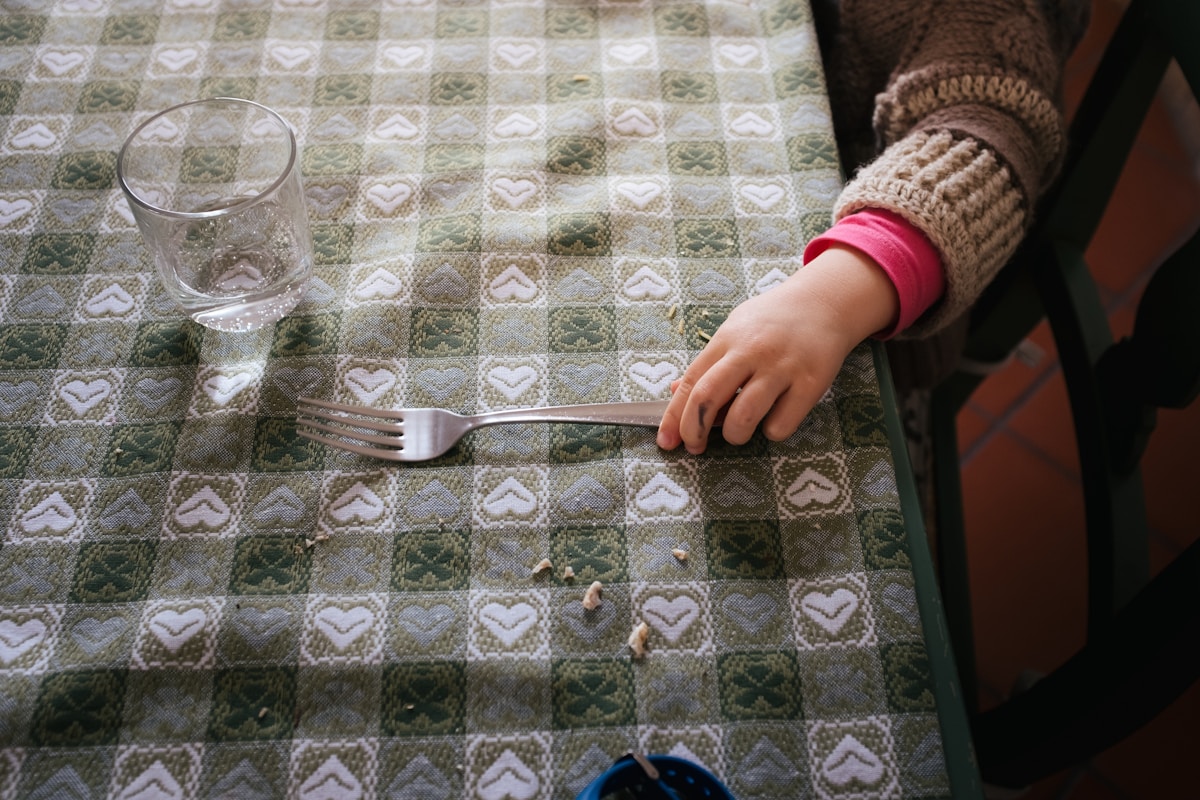
It is 6:30. You spent twenty minutes making a meal you actually feel good about. Your toddler takes one look, pushes the plate away, and starts to cry. If this sounds familiar, you are not alone. An overtired toddler who refuses dinner is often not trying to be difficult. They are saying, in the only way they know how, that their body has run out of room for new flavors, textures, and table rules.
Key Takeaways
- An overtired toddler who refuses dinner is often showing fatigue, not pickiness.
- Look for early signs like crankiness, clinginess, or zoning out before the meal.
- A low-pressure backup plate with familiar foods can keep the family meal on track.
- Skip bribes and power struggles; stay neutral and protect the dinner ritual.
- Talk to a pediatrician if refusal is persistent or paired with red flags.
Why your toddler won’t eat when tired (even if they usually eat well)
Many parents assume a hungry child will eat the same meal as everyone else. But a tired child can fall apart at the table even when they normally eat well. In many toddlers, fatigue can lower tolerance for the small demands of a family dinner: sitting still, trying a new texture, waiting for everyone else, and following table rules. A food that was fine yesterday can suddenly feel wrong. A chair that was comfortable this morning can feel itchy. A conversation that was fine last week can feel too loud.
A preschooler who normally eats well can still refuse dinner after a long, busy week. It is not a sign of bad parenting or a ruined food future. It is a sign that tonight needs a lower-pressure approach. If your toddler won’t eat when tired, the first step is to stop expecting a typical dinner performance.
Toddler dinner battles tend to show up at the end of long days. The child is not trying to be difficult. They are running on empty. When you recognize that pattern, it becomes easier to respond with patience instead of frustration.
How to spot an overtired toddler before dinner starts
The best way to handle an overtired toddler is to catch the signs before the food arrives. Look for changes that start while you are cleaning up toys, setting the table, or calling everyone to wash hands.
Common early signs include:
- Crankiness over small things, like a dropped spoon or the wrong cup
- Melting down over tiny requests
- Extra clinginess or wanting to be held
- Zoning out and staring into space
- Restlessness and trouble sitting still
- Rubbing eyes or yawning a lot
- Screaming or whining at the table before a bite is taken
A tired child may also say no to food they usually love. That can feel confusing, but it is common. The same toddler who asks for bananas at breakfast may push them away at dinner because the whole situation feels like too much.
The toddler screaming at dinner time often happens because the switch from play to table is too abrupt. A child who has been running around does not always have the brakes to settle into a chair. That is why a short wind-down routine can make such a difference.
Try a calm transition that starts about 10 minutes before dinner. Put on quiet music, read one or two books, or let your child help set the table with napkins and spoons. Keep the routine short and predictable. If you use the same few steps each night, your child learns what is coming next.
You may also need to move dinner earlier. If your child routinely hits a tired wall at 6:00, try serving at 5:30. Even 15 or 30 minutes can shift the whole mood of the meal.
Sometimes a child seems fine until the plate hits the table. If that happens, skip the transition and go straight to the backup plate. You can still sit together, even if the first five minutes are rocky.
Build the low-pressure backup plate
On a rough night, do not try to get the family meal onto your toddler’s plate. Instead, build a low-pressure backup plate. It is not a second dinner and it is not short-order cooking. It is a safety net that keeps the family meal happening.
Start with foods you already have. The goal is to choose familiar, low-effort foods the child can eat without being asked to try something new. Some parents keep a short list in their head:
- Avocado slices
- Cherry tomatoes, cut lengthwise or into quarters
- Cucumber slices
- Plain yogurt
- Soft fruit like banana or peach slices
- Crackers or rice cakes
- Cheese cubes or shredded cheese
- A small scoop of applesauce
These foods work because they are neutral and snack-like. They do not have strong smells or complicated textures. They also do not need to be cooked, which means you can put the plate together while your child is having a quiet moment.
Keep portions small. A tired child can feel pressured by a full plate. You can always offer more of one food if your child asks.
For young children, cut round foods into smaller pieces. Cherry tomatoes, grapes, and similar round foods should be cut lengthwise or into quarters to lower the risk of choking. This is especially important on tired nights when a child may be eating fast or leaning back in the chair.
This can be an easy dinner for an exhausted toddler because it asks nothing of them. There is no pressure to taste the casserole or eat the green beans. There is only a plate of foods that already feel safe.
The backup plate is not a replacement for the family meal. Let the parents eat the more complex dinner. The child can eat their safe plate at the same table. This keeps everyone together, even if the plates do not match.
You can put the backup plate down with no explanation. Sit down and take a bite of your own food. This shows your child that the meal is not a test.
Flexible seating is okay too. Some parents find that a toddler needs to stand for a few minutes, sit on a parent’s lap, or take a movement break before returning to the table. You can allow that without turning dinner into a free-for-all. The goal is to stay together as a family, not to enforce perfect table manners.
How to stop toddler dinner battles without turning dinner into a power struggle
Toddler dinner battles usually begin when pressure sneaks into the room. You say try one bite. Your child says no. You offer a treat for eating. Your child asks for the treat instead. The more you push, the more a tired child pushes back.
So remove the push. Do not force, bribe, or lecture. Do not make dessert the reward for eating. Keep your comments neutral. Instead of coaching every bite, tell your child that dinner is here when they are ready. Then let the food sit without commentary.
Try not to ask your child if they like the food. A tired child may hear that as pressure. Talk about something neutral instead, like what happened at the park or what color spoon they want.
If your child melts down, stay calm and name the feeling. You look really tired tonight. It is hard to sit at the table when you are this tired. Naming the feeling helps your child feel understood. It also keeps the moment from becoming a battle about food.
If you are wondering how to feed a fussy toddler at night, the simplest answer is often to put the backup plate down with no commentary. Do not explain it, defend it, or compare it with the family meal. Just place it in front of your child and start eating your own dinner. When the pressure disappears, many children find it easier to eat.
A reset can help some children. A few minutes of quiet time, a change of seat, or a short calm screen break before the plate is served can give the child enough space to come back to the table. Screens are a tool, not a reward. If a short break helps your family share a meal, you can use it without guilt.
Protect the family meal ritual. Even if your child eats a different plate, the point is to be together. That shared time matters more than any single bite. On hard nights, a calm family dinner with a backup plate is a win.
It is okay to end dinner after a reasonable amount of time. You do not have to wait until the plate is clean. Clear the table kindly, then move on to bath or bedtime.
When to talk to the pediatrician
Most occasional refusals are normal, especially on tired nights. But there are times when it is important to ask for help.
Call your pediatrician if you notice any of these red flags:
- Poor weight gain or weight loss
- Persistent refusal to eat or drink
- Signs of dehydration, such as fewer wet diapers or no tears when crying
- Pain when eating
- Repeated gagging or choking
- Falling off their growth curve
If your child refuses meals for much more than a day or two and seems unwell, do not wait. Call the pediatrician’s office and describe what you are seeing. A doctor can check for underlying issues and help you make a plan.
This is not a diagnosis. It is a guide to help you decide when to reach out. You know your child best. If something feels off, a quick call to your pediatrician is always okay.
Frequently asked questions
Should I make a separate dinner for my overtired toddler?
Not exactly. A separate home-cooked meal for your toddler can create more work and more pressure. Instead, offer a low-pressure backup plate from foods you already have, like avocado, yogurt, crackers, fruit, or cut-up vegetables. The family dinner stays the same, and your child can eat their safe plate at the same table.
What is an easy dinner for an exhausted toddler at night?
Simple familiar foods work best. Think avocado slices, cherry tomato halves, cucumber slices, plain yogurt, crackers, fruit, and cheese. These foods are quick to put together, easy to chew, and familiar enough for a tired child to accept without a fight.
When should I worry that my toddler is not eating enough?
Watch for poor weight gain, weight loss, signs of dehydration, persistent refusal to eat or drink, pain when eating, or falling off the growth curve. If you see any of these, talk to your pediatrician. A single rough dinner is usually not a reason to worry, but you know your child best.


