Go ahead, open that kitchen drawer. You know the one. It’s a graveyard of good intentions: the avocado slicer you used twice, the spiralizer from that one time you wanted to make zucchini noodles, the specialty apple corer that’s harder to clean than just using a knife. We’ve all been there. The promise of a gadget that will make one specific task easier is powerful, but the reality is often a cluttered countertop and a lighter wallet.
The real question isn’t what gadget is newest or flashiest. It’s about where your money makes the biggest difference in your daily cooking. After testing hundreds of tools, from budget finds to professional-grade behemoths, I’ve learned that the secret to a functional kitchen isn’t about having more stuff—it’s about having the right stuff. Let’s separate the workhorses from the wasted space.
The ‘Workhorse’ Trio Worth Every Penny
If you’re going to invest anywhere, start here. These three items form the foundation of a kitchen that’s a joy to cook in. Upgrading them provides a massive, noticeable improvement over their budget counterparts.
-
A Great Chef’s Knife: This is non-negotiable. A cheap, dull knife is frustrating and, frankly, dangerous (it’s more likely to slip). You don’t need a $500 Japanese blade, but stepping up from a $20 department store knife to something in the $100-$150 range is a revelation. Look at a Victorinox Fibrox Pro or a Wüsthof Classic. The difference is the quality of the steel—it holds a sharp edge longer—and the balance, which makes chopping feel effortless instead of like a chore.
-
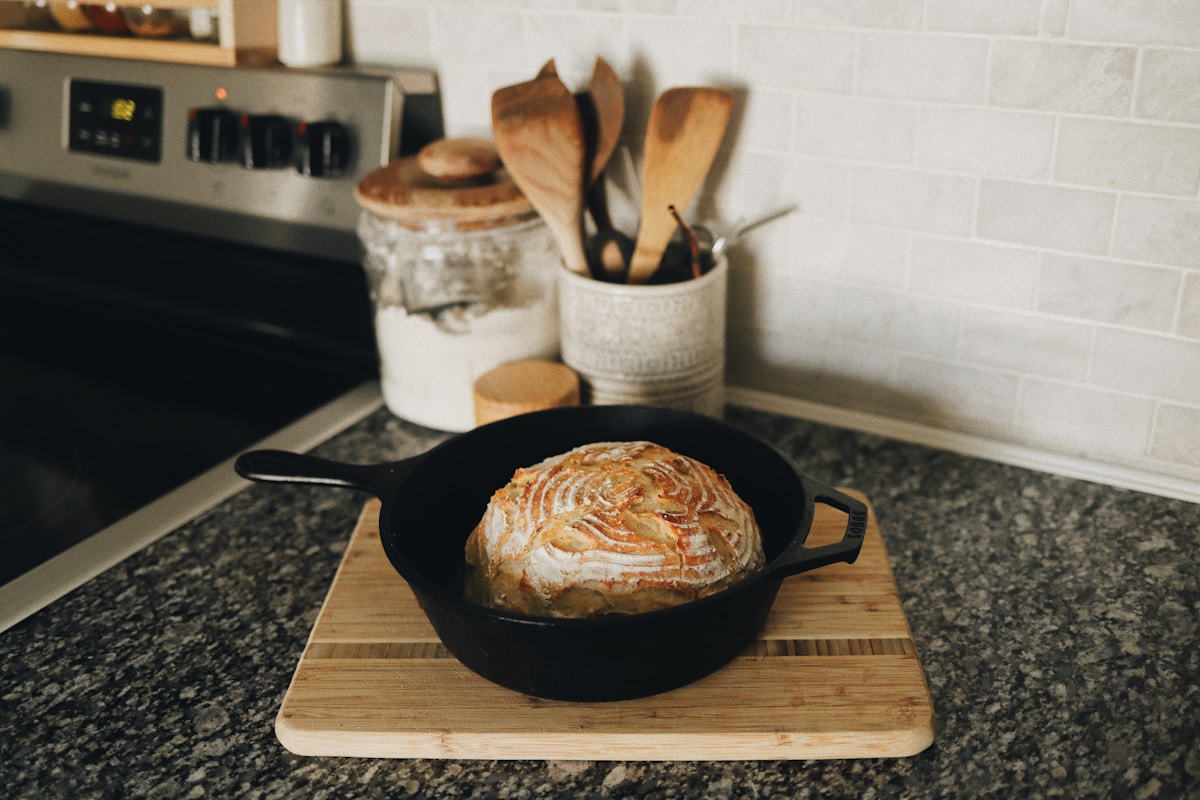
One Seriously Good Pan: Forget the 12-piece set of non-stick pans that will be scratched in a year. You need one versatile, durable pan for 80% of your cooking. My top two picks are a 12-inch cast iron skillet (Lodge is an incredible value at under $40) or a 12-inch tri-ply stainless steel skillet. Cast iron gives you an unbeatable crust on a steak seared at 500°F (260°C). Stainless steel gives you precision heat control for delicate sauces and beautifully browned vegetables. Both will last a lifetime if you care for them.
-
A Stand Mixer (If You Bake): This one comes with a condition. If you only bake for the holidays, a good hand mixer is fine. But if you bake bread, cookies, or cakes more than a few times a month, a KitchenAid Artisan or similar stand mixer is a game-changer. It’s not just about mixing; it’s about power. The motor can knead dense bread dough without burning out and whip egg whites to stiff peaks without you getting a sore arm. It’s an investment, but one that pays off in consistency and ease.
When ‘Pro-Grade’ Is Overkill for the Home Cook
It’s easy to get lured in by the power and prestige of professional equipment, but sometimes it’s just not practical for a home kitchen. The performance jump doesn’t always justify the cost and counter space.
A classic example is the high-speed blender. A Vitamix or Blendtec is an engineering marvel. It can turn nuts into butter and pulverize fibrous greens into a perfectly smooth smoothie. It’s amazing. It also costs upwards of $400. If you make complex smoothies every single day, it might be worth it. But for the person who makes occasional milkshakes or protein shakes? A $100 Ninja or NutriBullet does the job just fine. The motors aren’t as robust, but for typical home use, they are more than adequate.
Similarly, precision cookers like sous vide machines are fantastic for achieving a perfect medium-rare steak (edge-to-edge pink at 130°F / 54°C), but they require planning, setup, and extra equipment. Ask yourself honestly: will you use this weekly, or will it become another gadget collecting dust after the novelty wears off?
Sometimes the most valuable tools are the cheapest. These are the unsung heroes of my kitchen—items that cost very little but deliver immense utility.
-
Bench Scraper: This simple piece of steel with a handle costs less than $10 and is my secret weapon. I use it to scoop up piles of chopped onions, divide bread dough, and scrape my counter clean in one satisfying motion. It’s infinitely better than trying to awkwardly shovel veggies with your knife blade.
-
Microplane Zester/Grater: Forget the tiny, knuckle-scraping holes on your box grater. A microplane is razor-sharp and produces fluffy clouds of Parmesan cheese, delicate citrus zest without any bitter pith, and finely grated ginger or garlic in seconds.
-
My #1 Kitchen Hack - The Instant-Read Thermometer: If you buy one “pro” tool, make it this one. Cooking meat to the right temperature is the single biggest factor between a dry, sad chicken breast and a juicy, perfect one. You can get a reliable digital thermometer for $25, or a lightning-fast one like a Thermapen for around $100. It removes all the guesswork. No more cutting into a steak to check for doneness. Perfect roast chicken (165°F / 74°C in the thickest part of the thigh) every single time. (Your future self will thank you.)
My Final Take Building a Kitchen That Works for You
Don’t let marketing or aspirational cooking shows dictate your purchases. The best kitchen isn’t one packed with every possible tool; it’s one equipped with tools you love to use.
Start with the “Workhorse Trio”—a great knife and a great pan are your absolute first priorities. From there, build slowly. Don’t buy a gadget to inspire a new hobby. Wait until your hobby outgrows your current tools. Love making pasta? Then consider the pasta-making attachment for your stand mixer. Are you finding that you’re constantly mincing garlic? Maybe a garlic press is for you (though I’ll always prefer my knife).
Focus on quality over quantity. One great skillet that will last you 30 years is a better use of money than a 12-piece set that lasts three. Be honest about what you cook, and invest in the tools that make that process easier and more enjoyable.



 Lucas
Lucas
