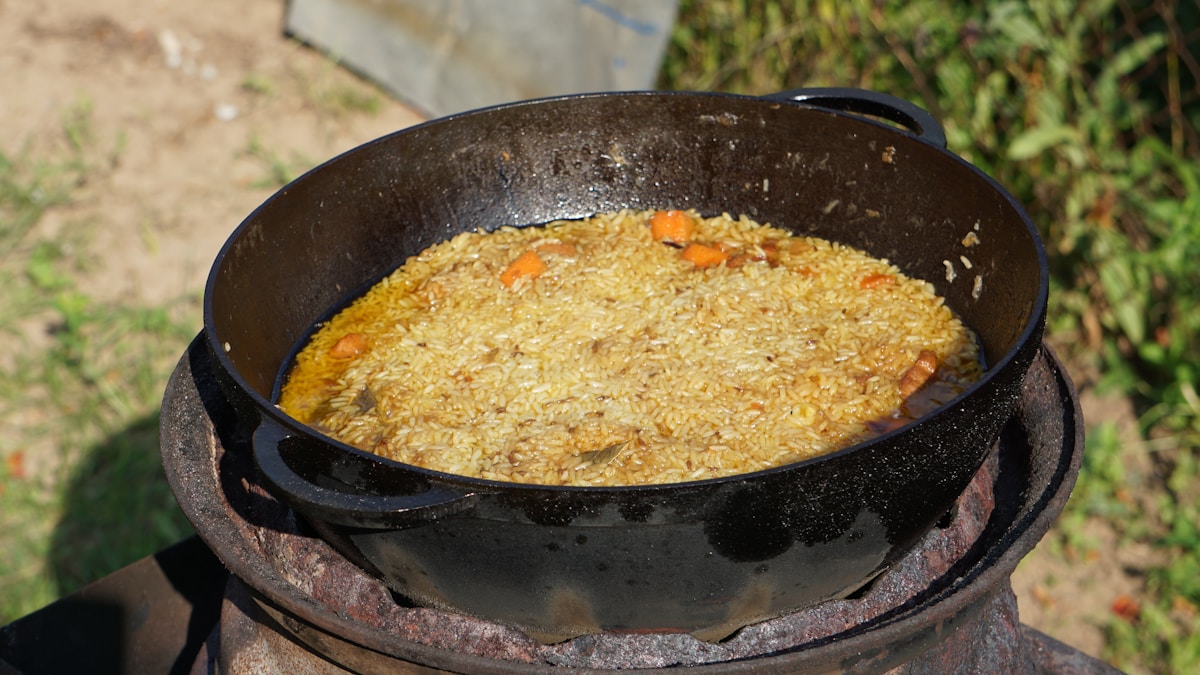
It’s a familiar story for any adventurous home cook. You get your hands on a beautiful, pearly-white jar of artisanal beef tallow. You’ve heard the legends: perfect steak crusts, the flakiest pie dough, the best french fries of your life. So you decide to start simple. You heat a spoonful in a pan to make a batch of rice, expecting a subtle, savory upgrade.
Twenty minutes later, your kitchen smells like a steakhouse that hasn’t opened its windows in a week. The rice isn’t just savory; it’s aggressively, overwhelmingly beefy. Every grain is saturated with a heavy, fatty aroma. What went wrong?
Welcome to the first, and most important, lesson of cooking with animal fats. Tallow is a powerhouse, but with great power comes great responsibility. I’m Lucas, and I’ve tested enough fats to know that using the right one is less about price and more about purpose. Let’s break down where tallow shines and where it just gets in the way.
What is Beef Tallow and Why is it So Powerful?
At its core, beef tallow is simply rendered beef fat. The process involves slowly melting down suet (the hard, crumbly fat from around the kidneys and loins) and filtering out any solids, leaving behind pure, stable fat. For centuries, it was a primary cooking fat before being replaced by vegetable oils and shortenings in the 20th century.
Its resurgence in popularity is thanks to two key properties:
- High Smoke Point: Tallow can reach temperatures around 400°F (205°C) before it starts to smoke and break down. This is significantly higher than butter (302°F / 150°C) and unrefined olive oil. This makes it the undisputed champion for high-heat searing.
- Incredible Flavor: It imparts a deep, savory, umami-rich flavor that is distinctly beefy. When you cook a steak in tallow, you’re amplifying its natural flavor profile.
But that powerful flavor is also its biggest challenge. It’s not a subtle background note; it’s the lead singer in the band. And it doesn’t always harmonize with other ingredients.
The Ingredient Sponge Effect Why Your Rice Went Wrong
Think of certain ingredients as flavor sponges. Porous, starchy foods like rice, quinoa, bread, and potatoes are brilliant at soaking up whatever liquid or fat they’re cooked in. This is fantastic when you’re making a risotto with a flavorful chicken stock or simmering arborio rice in coconut milk.
However, when the fat itself is intensely aromatic, that’s the flavor your sponge will absorb. A neutral oil like grapeseed or canola adds fat without adding much taste, allowing the other ingredients to shine. Butter adds a creamy, nutty flavor that’s generally welcome. Olive oil adds a peppery, grassy note.
Beef tallow adds… well, beef. When your rice soaked up that melted tallow, it soaked up all the concentrated aromatic compounds that make a steak taste like a steak. This isn’t a cooking failure; it’s a chemistry lesson in flavor transfer. The tallow did its job perfectly, but it was assigned the wrong task.
The Tallow Rulebook When to Use It and When to Bench It
To avoid an overly beefy kitchen, you just need to treat tallow like the specialist tool it is. Here’s a simple guide to get you started.
Use Tallow For:
- Perfect Steak Searing: This is tallow’s number one job. Get a heavy pan, like a Lodge cast iron skillet, ripping hot. Add a teaspoon of tallow (you don’t need much) and let it shimmer. Sear your steak for a deep brown, unbelievably flavorful crust that you simply can’t achieve with butter, which would burn at that temperature.
- Steakhouse-Quality Fries: The secret to the best french fries is often a double-fry method in beef tallow. The result is a perfectly crispy exterior, a fluffy interior, and a savory flavor that’s impossible to replicate with vegetable oil.
- Savory Roasted Vegetables: Tossing root vegetables in melted tallow before roasting is a game-changer. Toss cubed potatoes, carrots, and Brussels sprouts in tallow, salt, and pepper, then roast at 425°F (220°C) until golden and crispy. They become the ideal side for a roast beef or steak.
Avoid Tallow For:
- Basic Rice & Grains: Unless you are specifically making a beef-forward pilaf where that flavor is the star, stick to a neutral oil or a knob of butter. Let the grain taste like itself.
- Delicate Fish & Chicken: The assertive flavor of beef will completely steamroll the subtle taste of a piece of cod or a lightly seasoned chicken breast.
- Most Baking: While tallow can be used for some traditional savory pastries, please do not use it for your chocolate chip cookies or vanilla cake. (Your future self will thank you.)
Kitchen Hack How to Fix Overly Beefy Food
So, you’ve already made the mistake and now you have a pot of overwhelmingly beefy rice. Don’t throw it out! The key is to lean into the flavor instead of fighting it. Turn that mistake into a delicious new dish.
Your best move is to make a hearty beef fried rice. Let the rice cool completely (day-old rice is even better). Heat a wok or large skillet, add a neutral oil, and stir-fry some garlic, ginger, and scallions. Add the rice, breaking it up, and toss with soy sauce, peas, carrots, and a scrambled egg. If you have any leftover chopped steak or roast beef, throw that in too. Now, the tallow flavor is an intentional part of a cohesive dish, not a jarring mistake.
And for that lingering smell in your kitchen? Simmer a small pot of water with a half-cup of white vinegar and a few lemon peels for an hour. It’s a cheap and effective way to neutralize cooking odors.
Final Verdict A Specialist in Your Fat Arsenal
Tallow isn’t good or bad; it’s specific. It is an incredible tool for high-heat cooking and for adding a massive savory boost to meats and roasted vegetables. It is not, however, an all-purpose fat meant to replace your everyday olive oil or butter.
The best kitchens are stocked with a variety of tools, and fats are no different. Understanding when to reach for the beef tallow and when to grab the canola oil is what separates a good cook from a great one. Use it wisely, and it will absolutely elevate your cooking. Just promise me you’ll keep it away from your rice cooker.



 Beatrice