Let’s be honest. There’s a tub of ricotta cheese sitting in your fridge right now, isn’t there? You bought it for a glorious, bubbling lasagna last weekend, and now its half-full container is giving you the side-eye every time you open the door. You can almost hear it whispering, “Are you going to let me go bad?” We’ve all been there. It feels like such a specific, one-job ingredient.
But what if I told you that container of creamy, dreamy ricotta is actually one of the most versatile secret weapons you can have in your kitchen? Think of ricotta not as a “pasta cheese” but as a magical ingredient that can add richness, moisture, and a light, cloud-like texture to dozens of dishes, both savory and sweet. It’s a fresh, soft cheese made from whey (the liquid left over from making other cheeses), which gives it a mildly sweet flavor that plays well with everything.
So, let’s rescue that ricotta and turn it into something amazing. Forget the food-waste guilt. We’re about to unlock a whole new world of creamy goodness.
Start Your Day the Ricotta Way
Breakfast is the perfect place to see just how transformative ricotta can be. It has a knack for making ordinary morning meals feel special and luxurious with almost zero extra effort.
First up, let’s talk pancakes. If you’ve ever dreamed of those impossibly fluffy, diner-style pancakes, ricotta is your ticket. The fat and moisture in the cheese create an incredibly tender, cake-like crumb that’s just heavenly. The best part? You don’t need a fancy recipe. Just take your favorite pancake or waffle mix (the ‘just add water’ kind works perfectly fine!) and whisk in about a 1/2 cup of whole-milk ricotta for every cup of dry mix. Cook them as you normally would and prepare to be amazed. They get beautifully golden on the outside while staying custardy and light on the inside.
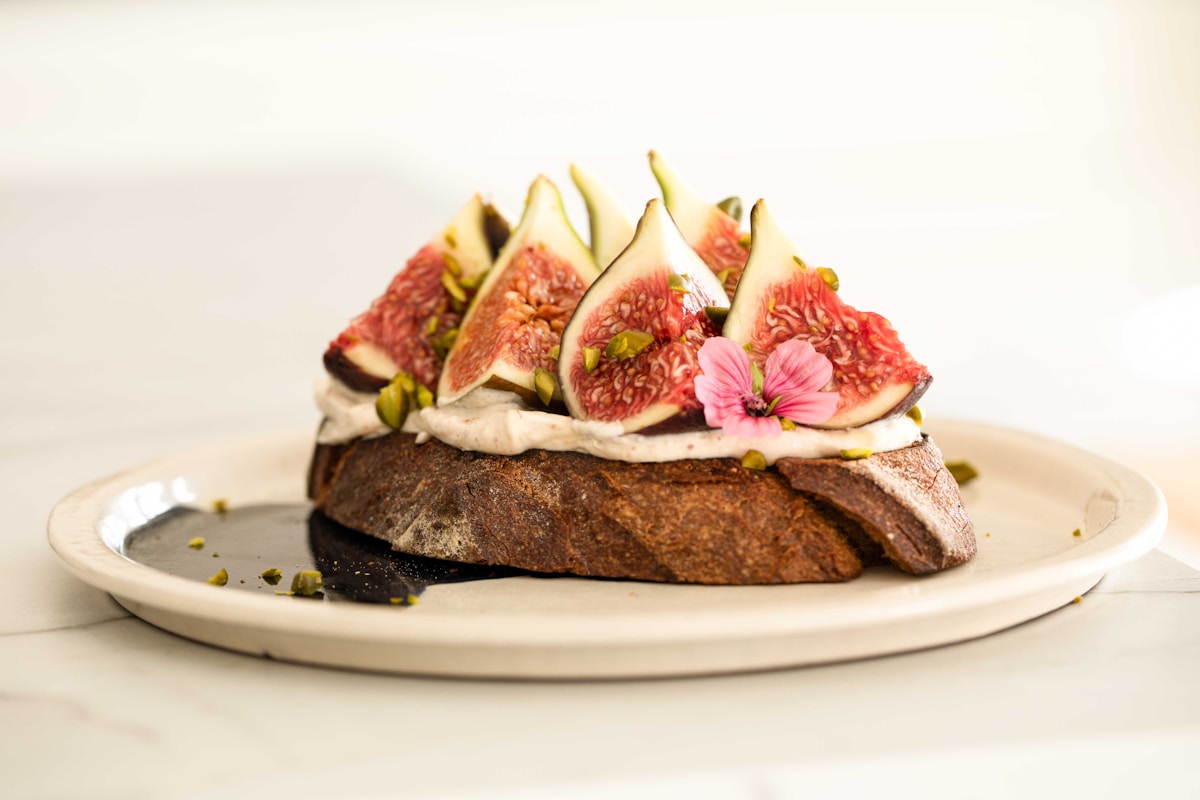
Maybe you’re not a pancake person, or you have exactly five minutes to get out the door. Meet your new best friend: ricotta toast. This is simplicity at its most elegant. Toast a slice of good, sturdy bread—sourdough or a thick-cut whole grain is fantastic here. While it’s still warm, slather on a generous layer of ricotta. From here, you can go in two directions:
- Sweet: Drizzle with honey or maple syrup, top with fresh berries or sliced figs, and maybe a sprinkle of cinnamon or lemon zest.
- Savory: Drizzle with a good extra-virgin olive oil, then sprinkle with flaky sea salt and freshly cracked black pepper. If you have them, a few fresh basil leaves or sliced cherry tomatoes take it over the top.
One last breakfast trick? Add it to your scrambled eggs. Just as your eggs are about 90% cooked, take them off the heat and gently stir in a heaping tablespoon of ricotta. It will melt into the eggs, creating the creamiest, richest scramble you’ve ever had without making them watery. (It’s a total game-changer.)
Simple & Savory Lunches and Appetizers
When the midday slump hits, ricotta is there to lift you up with appetizers and lunches that feel way fancier than they are. My absolute favorite party trick is Whipped Ricotta Dip.
If you have a food processor or even a hand mixer (a KitchenAid works great, but any brand will do), you can make this in minutes. Simply add about 1 cup of ricotta, a tablespoon of olive oil, a pinch of salt, and maybe some lemon zest or a minced garlic clove to the bowl. Whip it for 2-3 minutes until it’s incredibly smooth, light, and airy. Serve it in a bowl with a final drizzle of olive oil and serve with toasted baguette slices (crostini), crackers, or crunchy vegetables like carrots and bell peppers. It’s an instant crowd-pleaser.
Ricotta also makes a fantastic, healthier swap for mayonnaise on sandwiches. Its creamy texture provides that moisture and richness you crave, but with a lighter, fresher flavor. Try spreading it on bread before adding sliced turkey, arugula, and a slice of provolone. The subtle sweetness of the ricotta balances the savory meat and peppery greens perfectly.
And please, please try making a white pizza or flatbread with a ricotta base. Forget tomato sauce for a minute. Spread a thin layer of ricotta over your pizza dough or a store-bought flatbread. Top it with things that love creaminess: thinly sliced prosciutto, dollops of fig jam, caramelized onions, roasted mushrooms, or even just shredded mozzarella and garlic. Bake at a high heat, around 425°F (220°C), until the crust is golden and the cheese is bubbly. It’s a restaurant-quality meal you made from your leftover cheese tub. (Your future self will thank you.)
Ricotta in the Main Event
Okay, so we know it’s great in lasagna. But ricotta can elevate so many other dinner dishes, adding a touch of creamy luxury where you least expect it.
Let’s start with other pastas. You don’t need a complicated baked dish to enjoy it. Make your favorite simple tomato sauce, like a marinara. Once you’ve tossed it with your cooked pasta (like rigatoni or penne), spoon a few generous dollops of cold, fresh ricotta right on top of each serving. Don’t stir it in! The magic is in the contrast—the hot, acidic tomato sauce against the cool, creamy, mellow cheese in each bite.
Here’s a tip I learned from my grandmother: add ricotta to your meatballs. For every pound of ground meat (beef, pork, and veal is a classic combo), add about 1/2 cup of whole-milk ricotta along with your other ingredients like breadcrumbs, egg, and parmesan. The ricotta doesn’t add a strong cheesy flavor; instead, it works behind the scenes to make the meatballs incredibly moist, tender, and light. They will never be dry or tough again. (Trust me on this one.)
Ricotta is also a perfect finishing touch for roasted vegetables. Toss broccoli florets, asparagus spears, or sliced zucchini with olive oil, salt, and pepper. Roast them at 400°F (200°C) until tender and slightly browned at the edges. Pile them onto a platter and, while they’re still hot, add a few spoonfuls of ricotta over the top. The cheese will soften slightly from the heat. Finish with a squeeze of fresh lemon juice for a bright, vibrant side dish.
The Sweet Surprise Desserts
Now for the real shocker: ricotta is a dessert superstar. Its mild flavor and creamy texture make it a perfect canvas for sweet ingredients. It’s the key to making desserts that are rich and satisfying but not heavy.
The most famous ricotta dessert is, of course, cannoli filling. While making the shells from scratch is a project, the filling is wonderfully simple. You’ll want to drain your ricotta first for this (see the tip below!). Then, just mix the drained ricotta with powdered sugar until it’s smooth, and stir in some vanilla extract, maybe a little cinnamon or orange zest, and mini chocolate chips. You can buy pre-made cannoli shells at many Italian delis or specialty stores and fill them right before serving.
Ricotta is also the secret to beautifully moist cakes. A Lemon Ricotta Cake is a classic for a reason. The cheese gives the cake a texture that’s somewhere between a light pound cake and a creamy cheesecake. It’s dense and moist but not heavy, with a bright, zesty flavor that’s perfect with a cup of tea or coffee.
But if you want the easiest dessert in the world, look no further. Take a scoop of good-quality, whole-milk ricotta. Put it in a small bowl. Stir in a teaspoon of sugar or honey and a little bit of lemon zest. Top it with a few fresh berries. That’s it. You’ve just made a high-protein, low-effort, incredibly chic dessert in 30 seconds. It feels indulgent, but it’s surprisingly light.
A Quick Tip on Buying and Prepping
When you’re at the store, you’ll likely see two kinds: whole-milk and part-skim. For any application where the ricotta is the star (like dips, desserts, or as a topping), always go for whole-milk. It has a much creamier, richer texture and flavor. Part-skim can sometimes be a bit grainy and is best reserved for dishes where it’s mixed in with many other ingredients, like in a lasagna or stuffed shells.
For desserts like cannoli filling or cheesecakes, you might see a recipe call for “drained” ricotta. This is a crucial step to prevent a watery result. To do it, simply line a fine-mesh strainer with a couple of layers of cheesecloth. Spoon the ricotta into the strainer, place it over a bowl (to catch the liquid), cover, and pop it in the fridge for a few hours or even overnight. You’ll be surprised how much whey drains out, leaving you with a thicker, richer cheese perfect for baking.
So go look at that tub of ricotta again. It’s not a problem to be solved; it’s an opportunity waiting to happen. It’s a testament to the idea that the most humble ingredients can often bring the most joy to our kitchens.
Try This Tonight: Find the best piece of bread in your house and toast it. Spread it with a thick layer of that leftover ricotta. Drizzle it with whatever olive oil you have, and sprinkle it with a pinch of salt and pepper. Take a bite. See? You’re already a ricotta pro.