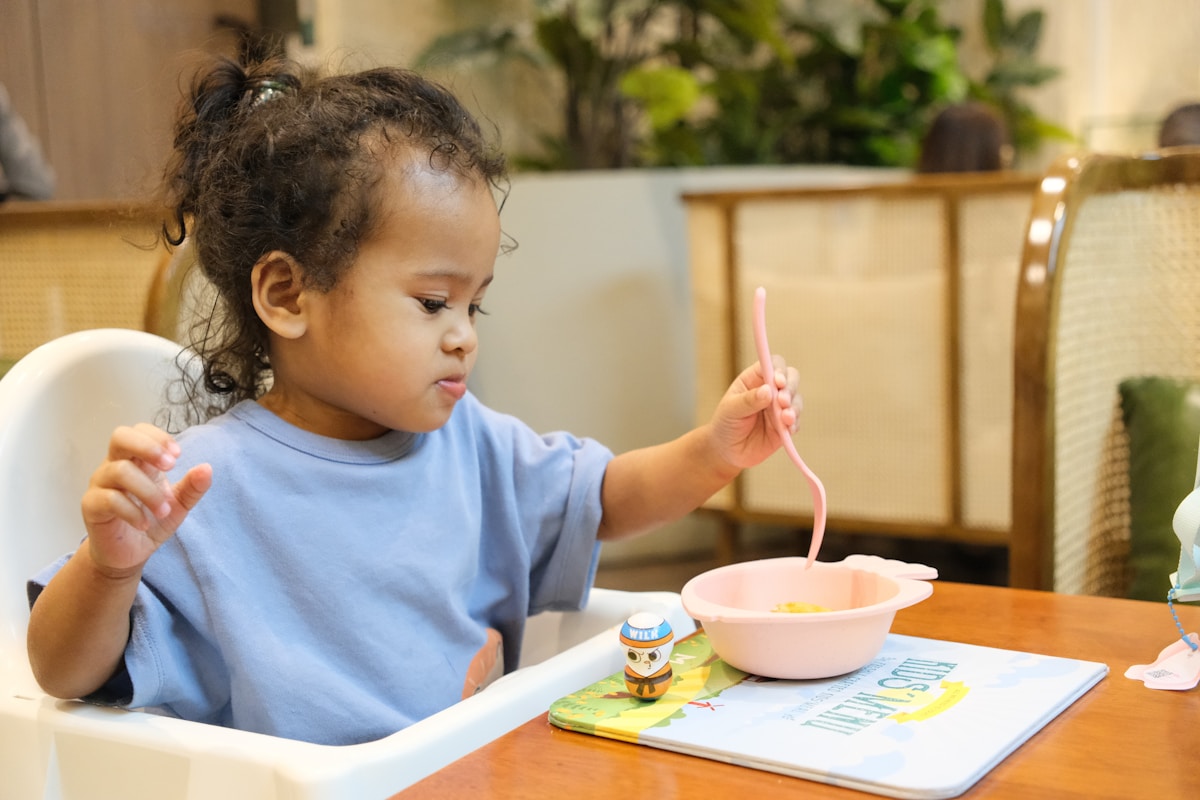
Oh, my dear, let me paint a picture for you. The kitchen is warm, smelling of vanilla and toasted sugar. You’ve spent the better part of an hour—or maybe even an afternoon—whipping, folding, and baking. The result is a masterpiece: a beautiful, fluffy cake with delicate swirls of frosting or perhaps a batch of intricate pastries you saw in a baking show. You present it with a flourish, your heart full, only to hear those little words: “Can I have some chips instead?”
If you’ve ever felt that little pang of deflation, please know you are in wonderful, loving company. It has happened to every parent, grandparent, and favorite aunt who has ever tried to bake something special. It’s a moment that can feel like a personal rejection of your effort and your love, but I promise you, it’s almost never about that. The kitchen is where we learn about more than just recipes; we learn about patience, perspective, and the wonderfully unpredictable palates of the little people we adore. So let’s pull up a stool, pour a cup of tea, and talk about why this happens and how we can turn that moment of disappointment into a different kind of kitchen magic.
Why Little Palates Prefer the Plain and Simple
First things first, let’s get this out of the way: it’s not you, and it’s not your baking. Children are wired differently. Their taste buds are brand new and incredibly sensitive. A flavor that seems wonderfully complex to us—like the bittersweet note in dark chocolate or the tang of lemon curd—can be overwhelming to a child. They are often navigating a world of new textures, and a multi-layered cake with cream, fruit, and sponge can be a sensory overload.
This hesitation around new foods even has a name: food neophobia. It’s a perfectly normal developmental stage where children are cautious of unfamiliar things. Think about it from their perspective. A potato chip is a known quantity. It’s salty, it’s crunchy, it’s predictable. Your gorgeous choux pastry, on the other hand, is a mystery. It’s soft but crisp, filled with a strange, cool cream. For a little person, sticking with the familiar is a safe and comforting choice.
So, when your child chooses the boring, beige snack over your colorful creation, take a deep breath and remind yourself of this. They are not passing judgment on your skill. They are simply being a child, navigating a big world of flavors one safe, salty crunch at a time. The goal isn’t to force them to love everything immediately, but to gently and joyfully widen their world over time.
Turning ‘No, Thank You’ into a Kitchen Adventure
One of the most powerful ways to overcome food neophobia is to demystify the food itself. And how do we do that? We invite them behind the curtain! When kids are part of the process, a mysterious cake transforms into a fun project they helped create. They’re no longer being presented with a strange final product; they’re meeting an old friend they helped make.
Getting your children involved doesn’t have to be a huge, messy affair (though sometimes the mess is half the fun!). The key is to give them age-appropriate jobs they can truly own:
-
Toddlers (Ages 2-4): This is the sensory stage! Their job is to experience the ingredients. Let them pour pre-measured flour into a bowl (expect some spillage!), stir a thick batter with your hand guiding theirs, or use their hands to squish dough. Their biggest contribution is their curiosity.
-
Little Chefs (Ages 5-7): They are ready for a little more responsibility. This is a great age for cracking eggs (always into a separate small bowl first, just in case!), using a whisk to beat them, pressing cookie cutters into rolled-out dough, or frosting a cupcake with wild abandon.
-
Kitchen Assistants (Ages 8+): Now they can start following simple instructions. They can read a recipe step aloud, measure ingredients on their own, learn to safely use a hand mixer with supervision, and even start suggesting their own creative additions. (Rainbow sprinkles? Always a good idea.)
When a child has poured the sugar, cracked the egg, and stirred the batter, they have a stake in the outcome. They’re far more likely to want to taste the cookie they helped make. It becomes their cookie, not just yours.
The Art of the ‘Dessert Debut’
How and when you present the dessert can make all the difference. We often build it up as the grand finale of a meal, which can create a lot of pressure. Instead, let’s rethink the strategy.
First, think small. A huge slice of a towering layer cake can be incredibly intimidating for a small stomach. Try serving a tiny sliver, a “tasting portion,” on a small plate. You can even use a fun name like a “fairy slice” or a “dinosaur bite.” It’s much less daunting than a full-sized dessert. Miniaturizing is your best friend—think mini muffins, two-bite brownies, or tiny tarts.
Next, consider the timing. Offering a rich dessert right after a full dinner is often a recipe for rejection. They’re already full and might genuinely not have room. Try introducing your special bake at a different time of day, like a special afternoon snack with a glass of milk. It gets to have its own moment in the spotlight without competing with a plate of broccoli and chicken.
And finally, lower the stakes. Don’t make a big announcement. Just quietly place a small plate on the table and say, “I made some little cakes if anyone would like to try one.” No pressure. If they say no, just smile and say, “Okay, honey! More for me.” This casual approach removes the feeling of obligation and makes trying the new food their choice, which is a powerful thing for a child.
A Kid-Approved Recipe to Start: Sunshine Sugar Cookies
If you’re looking for a perfect starter recipe to make together, you can’t go wrong with classic sugar cookies. They are simple to make and a blank canvas for decoration—the best part!
You’ll Need:
- 1 cup (227g) unsalted butter, softened
- 1 cup (200g) granulated sugar
- 1 large egg
- 1 teaspoon vanilla extract
- 3 cups (360g) all-purpose flour (King Arthur is a favorite in my pantry)
- 1/2 teaspoon baking powder
- 1/4 teaspoon salt
Let’s Get Baking!
- Creaming Fun (Kid Job!): In a large bowl, let your little helper add the softened butter and sugar. Using an electric mixer (or a wooden spoon and some elbow grease), cream them together until light and fluffy.
- Add the Wet Ingredients (Kid Job!): Have them crack the egg into a small bowl, then add it to the butter mixture along with the vanilla. Mix until just combined.
- Whisk the Dry Stuff (Kid Job!): In a separate bowl, give your child a whisk and let them mix the flour, baking powder, and salt together. It feels very official!
- Combine and Chill: Gradually add the dry ingredients to the wet ingredients, mixing on low speed until a soft dough forms. Divide the dough in two, flatten into disks, wrap in plastic wrap, and chill for at least 1 hour. (This step is crucial for preventing the cookies from spreading.)
- Roll and Cut (The Best Part!): Preheat your oven to 350°F (175°C). On a lightly floured surface, roll out the chilled dough to about 1/4-inch thickness. Let the kids go wild with their favorite cookie cutters! Place the shapes on a parchment-lined baking sheet.
- Bake: Bake for 8-11 minutes, or until the edges are just barely golden. Let them cool on the sheet for a few minutes before moving to a wire rack to cool completely. Once cool, let the decorating begin!
And If They Still Say No? A Treat for the Baker
Sometimes, you can do everything “right”—you can involve them, serve a tiny portion, and make the most kid-friendly recipe in the world—and they will still choose the chips. And you know what? That is absolutely okay.
This is my most important piece of advice. Your baking is not just for them. It is for you, too. It is an act of creativity, a moment of peace, a way to show love. That effort is never, ever wasted. So, when the kids run off to play, I want you to do something very important.
Cut yourself a proper slice of that beautiful dessert you made. Put it on your favorite plate. Brew a fresh, hot cup of coffee or tea. Sit down in a quiet corner of your house, even if it’s just for five minutes, and savor every single bite. Appreciate the texture, the flavor, and the love that you poured into it. Your work is worthy of celebration, whether or not a five-year-old agrees in that moment.
The kitchen is where families grow together, and sometimes that growth is in our own patience and self-compassion. The memories you are making are not just in the successful bakes, but in the messy, imperfect, and wonderfully real moments. Keep baking, keep sharing, and always, always save a piece for yourself.