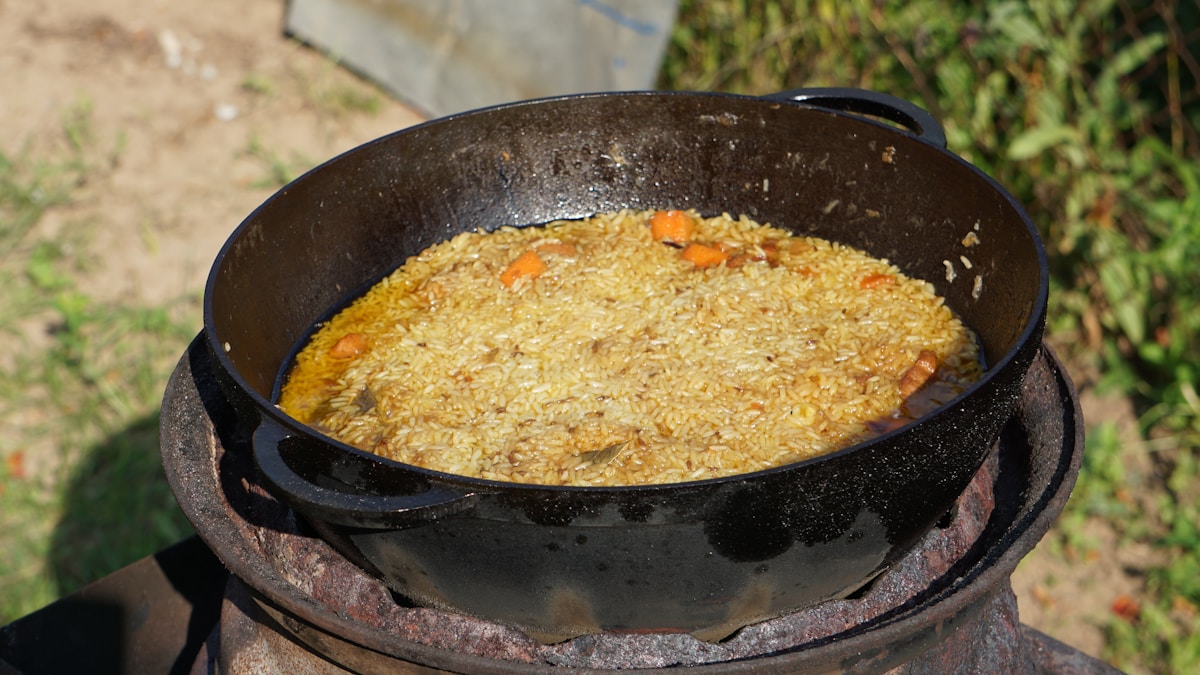
Take a deep breath. I know that feeling. You had a beautiful skirt steak, frozen solid. You thought a quick bath in hot water would speed things up, but you got distracted. Now you’re looking at a sad, gray, tough piece of meat floating in a pot, and your fajita night dreams are crumbling.
First, let me tell you this: It happens. So many of us have made this exact mistake when we were starting out. The kitchen is a place for learning, and sometimes the lessons are a little… rubbery. The good news is that you don’t have to throw that steak in the trash. The even better news is that you’re about to learn a little food science that will make you a more confident cook for life.
Why Boiling a Steak Creates a Tough Texture
Let’s get into the “why” for a moment, because understanding this is the key to avoiding it in the future. Think of a raw steak as being made up of countless tiny, relaxed muscle fibers, all holding onto precious moisture and fat. That moisture is what makes a steak juicy.
When you plunge that steak into boiling water (which is 212°F or 100°C), you create a massive temperature shock. The muscle fibers don’t just get warm; they violently contract and seize up, like a clenched fist. In the process, they squeeze out almost all of that internal moisture. The proteins tighten and become incredibly tough and dense. What you’re left with is essentially a dense mat of protein fibers without the juice and tenderness that make steak so wonderful.
Searing a steak in a hot pan works differently. The intense, direct heat creates a delicious crust on the outside very quickly, while the inside cooks more gently, allowing the fibers to warm and render fat without seizing up so aggressively.
The Rescue Mission: It’s Not a Steak Anymore, It’s an Ingredient
Here’s the honest truth: you cannot turn this boiled meat back into a juicy, medium-rare steak. That ship has sailed. Trying to pan-sear it now will only make it tougher. So, we need to change our mindset. That piece of meat is no longer the star of the show; it’s a new ingredient for a different, equally delicious dish.
Our goal now is to reverse the damage by reintroducing moisture and breaking down those tough, tight fibers. The magic words are low and slow. We are going to braise it.
-
Shred It: Take the steak out of the water and let it cool slightly. Using two forks or your fingers, pull the meat apart into shreds or thin slices. The smaller the pieces, the more surface area there is to absorb our flavorful liquid.
-
Give It a Bath (A Better One This Time): The key is to simmer the shredded meat in a flavorful liquid for a long time. The gentle, low heat will slowly break down the tough connective tissues and allow the meat to become tender again.
From Kitchen Mistake to Dinner Triumph
So what can you make? You have options! Think of dishes where the meat is supposed to be soft and shredded.
Quick Rescue Chili:
- In a heavy pot or Dutch oven (a Lodge cast iron pot is perfect for this), sauté a chopped onion and a few cloves of minced garlic in a little oil until soft.
- Add your shredded steak and stir.
- Pour in a large (28-ounce) can of crushed tomatoes, a can of rinsed kidney or black beans, and a few tablespoons of your favorite chili powder.
- Bring it to a gentle simmer, then reduce the heat to the lowest possible setting, cover, and let it hang out for at least an hour. Two hours is even better!
- The meat will become incredibly tender and absorb all that delicious chili flavor. Serve with cheese and sour cream, and no one will ever know its humble, boiled beginnings.
Shredded Beef Tacos or Nachos:
- Put the shredded beef in a small saucepan.
- Pour in about a cup of beef broth and a few tablespoons of taco seasoning, or just pour in a cup of your favorite salsa.
- Let it simmer on low for 30-60 minutes, until the liquid has mostly cooked down and the meat is tender and flavorful.
- Stuff it into tortillas or pile it high on tortilla chips with all the fixings.
The ‘Next Time’ Plan: How to Defrost Steak Correctly
To make sure you get that perfect, sizzling steak next time, here are the best ways to defrost it, from gold standard to ‘in a pinch.’
-
The Best Way (Refrigerator Thaw): This is the safest and provides the best texture. Simply place the frozen steak on a plate (to catch any drips) and put it in the refrigerator. A typical skirt steak will take about 12-24 hours. It’s slow, but it’s foolproof.
-
The Faster Way (Cold Water Bath): Place the steak in a completely sealed, leak-proof plastic bag. Submerge the bag in a large bowl of cold tap water. You must change the water every 30 minutes to ensure it stays cold and safe. A one-pound steak might thaw in about an hour this way.
-
The Emergency Way (Microwave Defrost): Use this only as a last resort. Use your microwave’s defrost setting and enter the steak’s weight. Stop and flip it frequently. The risk is that the edges can start to cook and turn gray. If you use this method, you MUST cook the steak immediately after thawing.
Try This Tonight:
If you’re staring at a boiled steak right now, don’t despair. Grab a can of tomatoes, an onion, and some chili powder. You’re not having the dinner you planned, but you might be having an even cozier one. Every mistake in the kitchen is just an opportunity to discover a new recipe. You’ve got this!


 Lucas
Lucas