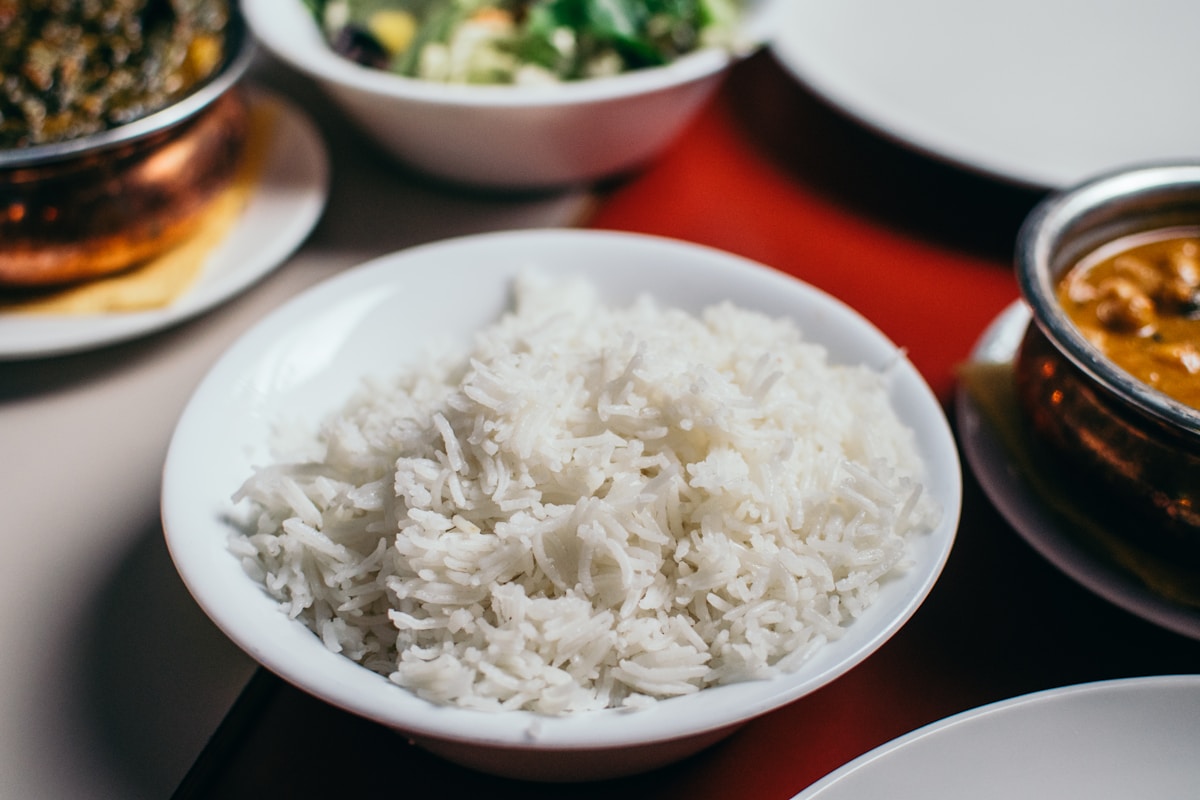
It is 6:15, the rice is steaming, and everyone is asking about dinner. You have ground beef, broccoli, and the same soy sauce you used yesterday. The good news is that dinner does not need a brand-new recipe to feel different.
Build a simple bowl, then change the sauce. With rice, a quick protein, vegetables, and one of these weeknight rice bowl sauces, you can make a fresh dinner for one or two without turning it into a large meal-prep project.
Key Takeaways
- Start with a flexible formula: cooked rice + protein + vegetables + sauce.
- Make about 2 to 3 tablespoons of sauce for one generous bowl or two lighter bowls.
- Keep proteins lightly seasoned so the sauce remains the main flavor.
- Use one pan while the rice cooks, and add chili oil or hot sauce at the table for flexible heat.
- Change the sauce, vegetables, or toppings to give leftover protein a completely different direction the next night.
Start With the Flexible Rice Bowl Formula
A reliable rice bowl has four parts: cooked rice + quick protein + vegetable + sauce or finishing seasoning. The base can stay familiar while the sauce changes the direction of dinner.
For one generous serving or two lighter bowls, start with about 1 to 2 cups cooked rice, 6 to 8 ounces protein, and 1 to 2 cups vegetables total. These are flexible targets rather than strict rules. Increase the rice or protein for bigger appetites, or make the bowl more vegetable-heavy when that is what you have.
Use whichever rice works for your evening:
- Freshly cooked white rice for a soft, quick base.
- Brown rice when you have it cooked or prefer its heartier texture.
- Leftover rice, warmed with a spoonful of water and covered briefly.
- Frozen cooked rice for a fast shortcut.
The sauce is what keeps easy rice bowl dinners from becoming repetitive. Ground beef and broccoli can taste sweet and garlicky one night, then savory and spicy the next with a different sauce.
When improvising, build flavor in small pieces:
- Salty: soy sauce or tamari.
- Savory: oyster sauce, garlic, ginger, or browned meat.
- Sweet: honey, brown sugar, maple syrup, or granulated sugar.
- Bright: rice vinegar, lime juice, or lemon juice.
- Spicy: chili oil, chili crisp, hot sauce, or red pepper flakes.
Start with something salty, add a bright ingredient, then choose a savory or sweet note. Add heat last, especially when children or heat-sensitive eaters are sharing the meal. It is easier to add chili oil at the table than to fix an overly spicy skillet.
Pick Fast Proteins and Vegetables for Easy Rice Bowl Dinners
Choose proteins that cook in about the same time as the rice, or faster. Season them lightly while cooking, but avoid heavily seasoning them before adding the final sauce. This helps prevent an overly salty bowl.
Ground beef is especially useful for ground beef rice bowls. Brown 6 to 8 ounces in a skillet over medium heat, breaking it into small pieces as it cooks. Spoon off excess fat if needed, then add vegetables or transfer the beef to a plate while vegetables cook.
Ground turkey cooks the same way and takes on sauces easily. Diced chicken also works well when cut into small, even pieces. Cook raw meat and poultry thoroughly, and handle and reheat leftovers according to reliable food-safety guidance.
Eggs are the fastest protein option. Scramble two or three eggs, move them to a plate, and cook the vegetables in the same pan. A fried egg also makes an easy topping when the bowl needs a richer finish.
Tofu works well in small batches. Pat it dry, cube or crumble it, and let it brown in a lightly oiled skillet before stirring too often. Leftover cooked chicken, beef, pork, or tofu only needs warming near the end, making it ideal for a second-night bowl.
Fast vegetables include:
- Small broccoli florets
- Chopped bok choy
- Shredded cabbage
- Spinach
- Snap peas
- Thin bell pepper strips
- Matchstick or grated carrots
- Frozen mixed vegetables
Broccoli, carrots, and snap peas benefit from a splash of water and a brief covered steam in the skillet. Cabbage and bok choy soften quickly with little or no water. Add spinach at the end because it wilts in a minute or two.
For a one-pan dinner, cook the protein first and remove it if the skillet feels crowded. Cook the vegetables next, then return the protein and toss everything with sauce. A crowded pan can make ingredients watery, so use a wide skillet when cooking for two.
For a mild, kid-friendly bowl, keep the pan sauce simple. Put chili oil, hot sauce, crushed peanuts, scallions, and stronger toppings on the table so everyone can adjust their own bowl. Children can help whisk sauce, tear spinach, measure rice, or arrange toppings.
Make These Six Small-Batch Weeknight Rice Bowl Sauces
Each sauce makes enough for one generously sauced bowl or two lighter bowls. Whisk the ingredients in a small cup before cooking. Toss with hot ingredients just until coated. If a sauce seems too concentrated, add water 1 teaspoon at a time.
Sweet-Savory Soy Garlic Sauce
Mix 1 tablespoon soy sauce, 1 teaspoon honey or brown sugar, 1 teaspoon rice vinegar, 1 small grated or minced garlic clove, and 1 teaspoon water. Use it with ground beef, chicken, broccoli, or green beans.
Keep it mild by leaving out spicy toppings. For more heat, add chili oil after serving. Use tamari instead of soy sauce, maple syrup instead of honey, or garlic powder when fresh garlic is unavailable.
Simple Sesame Soy Sauce
Mix 1 tablespoon soy sauce, 1 teaspoon toasted sesame oil, 1 teaspoon rice vinegar or lime juice, 1 teaspoon sugar, and 1 teaspoon water. It pairs well with tofu, eggs, bok choy, and frozen vegetables.
Sesame oil is strong, so measure it rather than pouring freely. Lemon juice can replace lime or rice vinegar, and tamari can replace soy sauce.
Oyster Sauce Stir-Fry Sauce
Mix 1 tablespoon oyster sauce, 1 teaspoon soy sauce, 1 teaspoon water, 1 teaspoon rice vinegar, and a pinch of sugar if you prefer a slightly sweeter finish. Try it with beef, chicken, broccoli, cabbage, or carrots.
Oyster sauce brings plenty of savory flavor, so this sauce needs only a little soy sauce. If your vegetables release a lot of moisture, leave out the extra water at first and add it only if needed.
Chili Garlic Sauce
Mix 1 tablespoon soy sauce, 1 teaspoon chili oil or chili crisp, 1 teaspoon rice vinegar, 1 teaspoon honey or sugar, and 1 teaspoon water. This sauce works especially well with eggs, tofu, ground meat, and greens.
For a family meal, make the base sauce without chili oil and let adults add heat to individual bowls. Add a pinch of garlic powder if you want more garlic flavor without fresh cloves.
Peanut-Lime Sauce
Mix 1 tablespoon peanut butter, 1 tablespoon warm water, 1 teaspoon soy sauce, 1 teaspoon lime juice or rice vinegar, and 1 teaspoon honey or sugar. Stir until smooth, adding another teaspoon of warm water if needed.
This creamy sauce is good with chicken, tofu, shredded cabbage, carrots, and cucumber. Sunflower seed butter may work as a peanut-free option for some households, but check ingredients and consider allergy and cross-contact needs before substituting.
Ginger-Scallion Finishing Sauce
Mix 1 tablespoon neutral oil, 1 tablespoon sliced scallions, 1 teaspoon grated ginger, 1 teaspoon soy sauce, 1 teaspoon rice vinegar, and a pinch of sugar. Spoon it over eggs, chicken, tofu, or greens after cooking rather than simmering it for long.
This fresh sauce is especially useful when your protein is already cooked. Ginger powder can replace fresh ginger in a pinch; start with a small amount, taste, and adjust.
Cook a Fresh Bowl in One Pan While the Rice Cooks
A simple order of operations keeps dinner moving without extra pans. If using uncooked rice, start it first. If using leftover or frozen rice, heat it while the skillet ingredients finish.
- Whisk one sauce in a small bowl and set out any toppings.
- Heat a skillet over medium to medium-high heat with a small amount of oil.
- Cook 6 to 8 ounces of protein. For eggs, scramble quickly and transfer them to a plate.
- Add vegetables. Use a splash of water and cover briefly for firm vegetables such as broccoli or carrots.
- Return the protein to the skillet. Add the sauce and toss for about a minute, until coated and hot.
- Spoon the mixture over rice and add toppings.
The sauce should lightly gloss the ingredients rather than pool at the bottom of the bowl. If it tastes strong, add a teaspoon of water and toss again. If it seems thin because vegetables released water, let it bubble briefly before serving.
Try these quick combinations:
- Ground beef, broccoli, and sweet-savory soy garlic sauce, topped with scallions.
- Scrambled egg, bok choy, and simple sesame soy sauce, with cucumber on the side.
- Crisp tofu, frozen mixed vegetables, and peanut-lime sauce, finished with crushed peanuts if suitable for your household.
Low-cost toppings add contrast without requiring specialty shopping. Keep scallions, sesame seeds, lime wedges, cucumbers, fried eggs, and chili oil in rotation. Even one crisp or fresh topping can make a bowl feel more complete.
Stretch a Budget Grocery List and Change Leftovers Into a New Bowl
For flexible small batch dinner recipes, buy ingredients that can move between several meals. A practical starter list includes rice, eggs, one ground protein or tofu, one chicken option, broccoli or bok choy, cabbage, frozen vegetables, soy sauce, garlic, rice vinegar, a sweetener, chili oil, and oyster sauce.
Cabbage can be shredded into a stir-fry, served raw for crunch, or folded into eggs. Frozen vegetables are helpful for evenings when fresh produce is running low. Soy sauce, vinegar, garlic, and a sweetener can become several rice bowl sauce ideas without requiring a long list of specialty ingredients.
Leftovers do not need to repeat the previous night’s flavor. When practical, store cooked protein separately from sauce, then switch the vegetables and sauce the next evening.
- Use leftover ground beef with shredded cabbage and chili garlic sauce instead of repeating soy garlic.
- Turn leftover chicken into a peanut-lime bowl with carrots and cucumber.
- Crumble leftover tofu into an egg-and-greens bowl and finish it with ginger-scallion sauce.
Cool cooked components promptly and refrigerate them appropriately. Reheat leftovers safely according to reliable food-safety guidance, and discard food that seems questionable rather than trying to cover it with extra sauce.
When dinner feels uninspired, return to the formula: choose one protein, one vegetable, and a sauce with at least one salty, one savory, and one bright element. That small decision can make everyday ingredients feel like a new meal.
FAQ: Weeknight Rice Bowl Sauces
How much sauce should I make for one rice bowl?
Plan on about 2 to 3 tablespoons of finished sauce for one bowl, or divide that amount between two lighter bowls. Start with less if your vegetables are wet or your rice is very soft. Add water for more coverage instead of adding extra soy sauce or oyster sauce, which can make the bowl too salty.
What is the easiest sauce for ground beef rice bowls?
Sweet-savory soy garlic sauce is an easy choice because it uses common pantry ingredients and complements browned beef. Keep it mild with soy sauce, honey, vinegar, garlic, and water. Add chili oil to individual bowls for anyone who wants more heat.
How can I make vegetable rice bowl recipes taste more filling?
Add eggs, tofu, ground meat, or leftover chicken for more substance. Peanut-lime sauce can also make vegetables and rice feel more satisfying because it is creamy and flavorful. Pair a hearty vegetable mix, such as broccoli and cabbage or frozen vegetables and greens, with one sauce and one crunchy topping.