The baby finally settles against your chest just as you realize it is dinner time. You are hungry, someone else may be hungry too, and chopping an onion feels like far more than you can manage.
New baby dinner prep does not require a packed freezer or homemade meals every night. For the first weeks at home, the goal is simpler: reduce decisions and keep filling food available to heat, assemble, or eat one-handed.
Key Takeaways
- Build a small meal system: one freezer main, one pantry meal, one shortcut meal, and one snack-style dinner.
- Freeze familiar meals in both family-size and individual portions so people can eat at different times.
- Keep prepared ingredients and convenience foods on hand; they are useful tools during a demanding season.
- Set up easy snacks and water near the places where feeding or soothing usually happens.
- Turn offers of help into specific food tasks, such as grocery pickup, dishwashing, or dropping off dinner.
Make the first two weeks easier, not perfect
A new baby can disrupt every usual routine. Recovery, feeding, soothing, appointments, changing sleep patterns, and possible hospital stays can make even a familiar 20-minute dinner feel unpredictable.
Instead of planning fourteen different meals, make a small, flexible system. Keep one option from each category available:
- A freezer main that reheats in portions
- A pantry meal made from shelf-stable basics
- A shortcut meal built from prepared grocery items
- A snack-style dinner for especially hard evenings
That is enough to make the daily question of “What can we eat?” easier to answer.
A snack-style dinner still counts as dinner. Crackers, cheese, fruit, hummus, hard-cooked eggs, leftover chicken, and vegetables can be plenty on a night when cooking is not realistic. Save ambitious recipes for a time when they sound enjoyable again.
It also helps to separate the plan from the calendar. Rather than assigning taco night to Tuesday, keep a short list on the refrigerator or in a phone note. Choose the meal that fits the energy, ingredients, and time you have that day.
Build a low-effort meal base before or after baby arrives
The best easy freezer meals for new parents share a few traits: they freeze in individual or family portions, reheat reliably, and do not need several freshly cooked side dishes.
Useful meal categories include:
- Soups, chili, stews, and lentil dishes
- Baked pasta, such as lasagna or pasta bakes
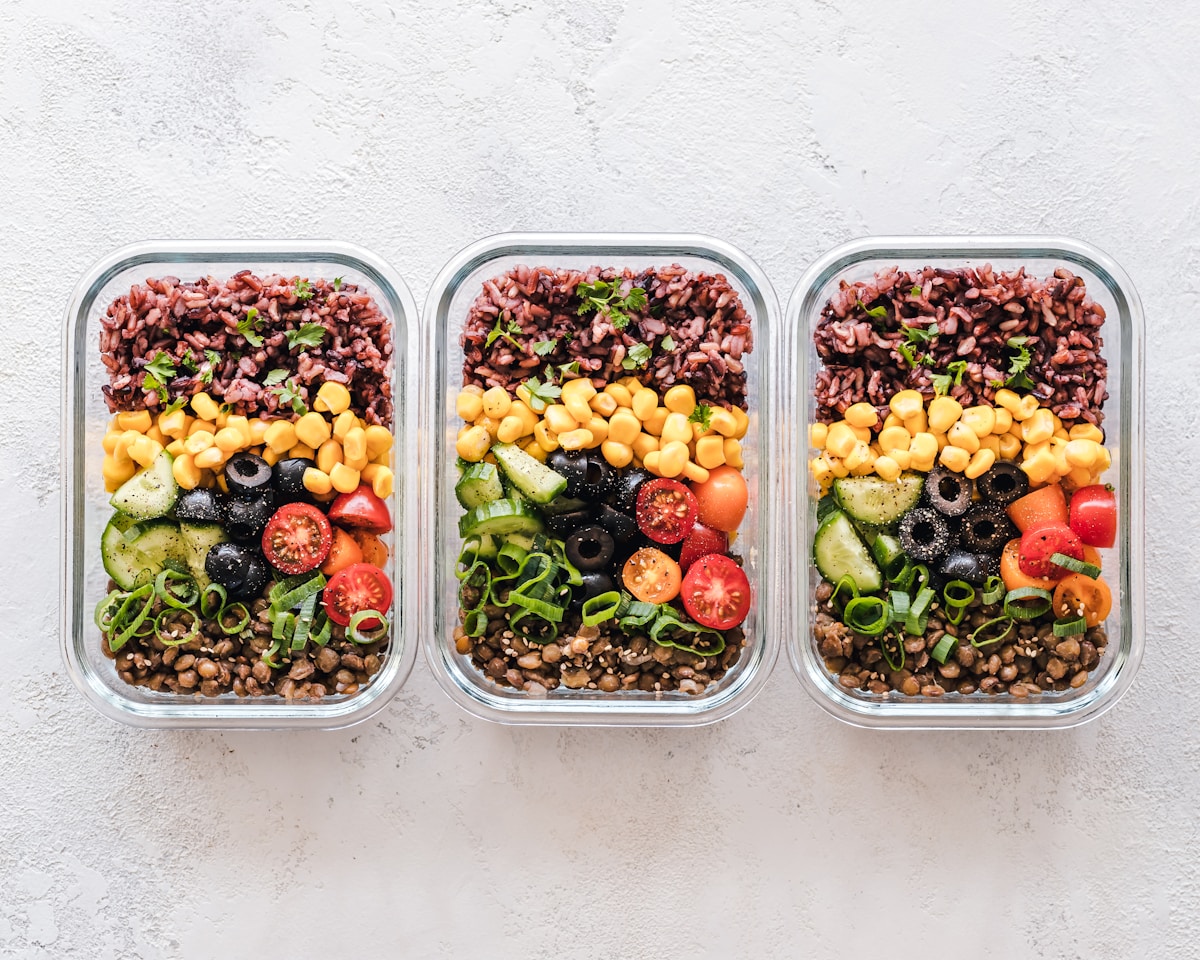
- Bean-and-rice bowls packed in individual containers
- Shredded chicken for tacos, sandwiches, wraps, or grain bowls
- Cooked meatballs, with or without sauce
- Portionable casseroles
- Cooked grains paired with beans, vegetables, or protein
Choose food your household already enjoys. A freezer full of meals no one wants is not helpful new baby dinner prep. Two dependable options are more valuable than ten unfamiliar recipes.
If you have time before the baby arrives, make one extra batch when cooking a favorite meal. Freeze half a pot of chili, a pan of baked pasta, or shredded chicken in meal-size containers. If the baby is already home, use the same approach whenever dinner produces leftovers. Batch cooking for busy parents can mean doubling one recipe, not devoting an entire weekend to meal prep.
Portions make a difference. Freeze a few family-size meals if people usually eat together, but include individual portions too. Separate containers make it easier for adults to eat at different times, which is common when someone is feeding, rocking, working late, or finally getting a shower.
Keep a practical backup list for the pantry, refrigerator, and freezer:
- Pasta and jarred pasta sauce
- Canned beans and canned soup
- Broth or boxed stock
- Tortillas and wraps
- Frozen vegetables
- Precooked grains or microwaveable rice
- Eggs
- Frozen fruit
- Rotisserie chicken or another prepared protein
- Bagged salad kits
- Ravioli or other refrigerated filled pasta
- Cheese, yogurt, and sandwich ingredients
Convenience foods are tools, not a failure of planning. Grocery pickup, prepared vegetables, precooked grains, meal kits, frozen dinners, and takeout can all conserve energy during a demanding season.
Set up meals that can pause when the baby needs you
One-handed meal prep is less about literally cooking with one hand and more about choosing meals that can handle interruptions. Look for short steps, flexible timing, and food that will not be ruined if you need to pause.
These formats work well for interrupted evenings:
- Sheet-pan meals with sausage, chicken, tofu, vegetables, and potatoes
- Slow-cooker meals started earlier in the day
- Pressure-cooker soups, beans, or shredded meat, if you are comfortable using the appliance
- Wraps with prepared chicken, beans, cheese, and bagged slaw
- Grain bowls with microwaveable rice, frozen vegetables, and sauce
- Breakfast-for-dinner with eggs, toast, fruit, and yogurt
- Bagged salad kits served with a freezer main or sandwich
Before turning on the stove or oven, make sure the baby has a safe place to rest and that you can step away if needed. Avoid holding a baby while working with hot pans, boiling water, sharp knives, or appliances. If the baby needs you, pause the food task when possible rather than rushing through it.
Use timers generously. Set reminders for the oven, stovetop, or slow cooker, and keep ingredients grouped by the next step. Put vegetables near the cutting board, canned ingredients by the stove, and toppings together in one refrigerator bin.
A simple dinner rotation also reduces mental work. Try repeating categories instead of exact meals:
- Pasta night
- Bowl or wrap night
- Freezer-main night
- Breakfast-for-dinner night
- Leftovers, takeout, or snack-style dinner night
Pasta night might mean spaghetti with jarred sauce one week and ravioli with pesto the next. Bowl night might be rice and beans, leftover chicken with vegetables, or grains topped with a fried egg.
For quick family dinners, combine store-bought components without apology. Try rotisserie chicken with microwaveable grains and frozen vegetables; ravioli with sauce and a bagged salad; canned soup with grilled cheese sandwiches; or tortillas filled with beans, cheese, and prewashed greens. The goal is warm, filling food with minimal cleanup.
Create a one-handed food and snack station
Long feeding or soothing sessions can make it easy to miss hunger until you are exhausted. A one-handed snack station puts food and drinks within reach when getting up is difficult.
Use a basket, drawer, bedside container, or section of the counter. Stock it with filling foods that are easy to open and work for your household. Helpful options include:
- Crackers and shelf-stable snacks
- Granola bars or oat bars
- Trail mix, nuts, or seeds
- Nut or seed butter packets
- Fruit cups or dried fruit
- Prewashed apples, bananas, or oranges
- Shelf-stable milk or drinks you enjoy
- Cheese sticks, yogurt, or hard-cooked eggs kept refrigerated
- Hummus with vegetables or crackers
- Freezer smoothie packs ready to blend when someone has two hands available
Keep a filled water bottle near the station or beside the place where feeding usually happens. A napkin, phone charger, and small container for wrappers can make the setup easier to use.
A little portioning helps. Divide trail mix into small containers, wash fruit when you bring it home, and move a few snacks to the front of the pantry. The easier food is to grab, the more useful it becomes on a long day.
This station is for adults and older family members. Food prepared specifically for an infant needs separate, age-appropriate preparation and safety decisions. Do not assume a family meal or snack is suitable for a baby without considering the baby’s feeding stage and guidance from an appropriate health professional.
Share the food work and use a short weekly reset
People often say, “Let me know if you need anything.” It is much easier to accept help when you turn that broad offer into one clear task.
Try requests such as:
- “Could you pick up this grocery order?”
- “Would you bring a double batch of soup in containers?”
- “Could you drop off chopped vegetables and fruit?”
- “Could you leave a prepared dinner at the door?”
- “Could you wash dishes while I portion leftovers?”
- “Could you hold the baby for 20 minutes while I make freezer portions?”
If one adult returns to paid work while another is home with the baby, agree on default dinners before a difficult evening arrives. One person might order groceries each week while another chooses which freezer meal to thaw. One can handle reheating while the other changes or settles the baby. A repeatable task is easier than renegotiating every night.
Use a ten-minute weekly reset instead of a detailed postpartum meal planning session. Check the freezer, pantry, and refrigerator, then ask: What should be eaten first? What needs replacing? Which two dinners will take the least effort?
Keep this checklist in a phone note:
- Pick two freezer mains and one pantry meal.
- Add five grab-and-go snack options.
- Buy or order shortcut ingredients.
- Portion leftovers promptly when possible.
- Choose two nights for leftovers, takeout, or snack-style dinners.
- Ask one person for one specific food-related task.
For food safety, refrigerate cooked food promptly instead of leaving it out for long periods. Divide large batches into shallow containers so they cool more quickly. Refrigerate leftovers within two hours of cooking, or within one hour when the temperature is above 90°F (32°C).
For general household leftovers, refrigerate cooked food for no more than three to four days. Frozen leftovers can be stored longer, although quality gradually declines; many cooked foods are best used within about three to four months for good quality. Label containers with the meal name and date so no one has to guess.
Thaw frozen meals in the refrigerator, in cold water, or in the microwave rather than on the counter. Reheat leftovers to 165°F (74°C), checking thicker foods such as casseroles and soups in the center. Follow package instructions for prepared foods and use a food thermometer when practical.
The best dinner system is not the one with the prettiest labels or the largest freezer stash. It is the one that gets food onto plates with the least stress, gives you dependable choices, and leaves room for the unpredictable rhythm of life with a new baby.
Frequently asked questions
What are the best easy freezer meals for new parents?
The best choices are meals your household already enjoys that can be portioned, frozen, and reheated without extra cooking. Soups, chili, baked pasta, shredded chicken, meatballs, bean-and-rice bowls, and casseroles are practical examples. Choose meals that stand alone or need only one easy side, such as bread, bagged salad, or frozen vegetables.
How can I do meal prep when I only have short pockets of time?
Break prep into very small jobs. One day, order groceries; another day, wash fruit; another day, cook extra rice or brown extra meat. Buy prepared ingredients when they make the task smaller, and package leftovers promptly when a meal produces extra food.
How long can prepared meals stay in the refrigerator or freezer?
For general cooked leftovers, refrigerate promptly and use them within three to four days. Frozen meals last longer, though quality is often best within about three to four months. Safe storage depends on how quickly food was cooled, how cold it was kept, and how it is reheated, so check current food-safety guidance if you are unsure.