


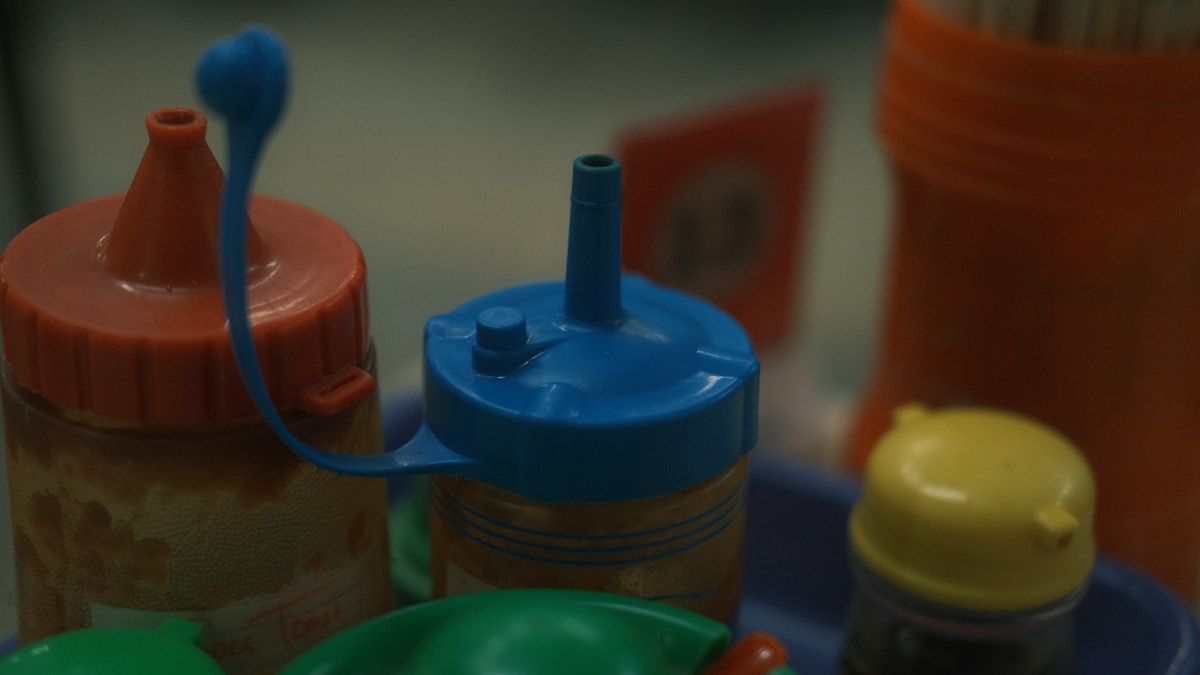
Picture this: you are standing at your counter, trying to fill a squeeze bottle with mayonnaise for perfect sandwich art on a busy weeknight. You tip the jar, and a glob plops onto the counter. Another dollop slides down the side of the bottle. Your hands are greasy. Your patience is wearing thin. You glance at the Reddit thread where someone suggested cutting a triangle into the lid of the mayo jar to use as a spout. It sounds clever, but your gut says it is a disaster waiting to happen. And you are right. That triangle-cut lid is unhygienic, messy, and likely to leave mayo crusted on the plastic. There is a better way. Actually, there are several better ways. Let me walk you through the cleanest, most efficient methods for transferring mayonnaise from a jar to a squeeze bottle. I promise your future self will thank you.
Why the Triangle Cut is a Bad Idea
Before we dive into the good stuff, let us address the elephant in the room: cutting a triangle into the mayo jar lid. Reddit’s r/KitchenConfidential community rightly condemned this method. Why? First, it creates a rough plastic edge that can break off into your mayo. Second, it is nearly impossible to clean properly. Mayo trapped in the cut crevice can spoil and contaminate the rest of the jar. Third, the flow control is terrible — you either get nothing or a giant blob. The only plus? It is a funny story to tell your friends. Trust me, stick to the professional methods below. Your kitchen hygiene and sanity will be preserved.
The Piping Bag Method (Step by Step)
This is the favorite of experienced cooks for good reason. A piping bag gives you total control. You will need a large piping bag (disposable or reusable, like those from Wilton or Ateco) and a large round tip (or you can just snip the end). Here is how to do it:
- Open your jar of mayonnaise. Use a clean butter knife to give it a quick stir if it has separated slightly. Room-temperature mayo flows much better, so let it sit out for 10 minutes if you have time.
- Fit your piping bag with a large round tip (size 1A or similar) or simply cut a 1/2-inch opening from the tip of a disposable bag.
- Fold the top of the bag over your hand to create a cuff. This keeps the bag clean while you fill it.
- Spoon the mayonnaise into the bag. A silicone spatula works wonders here. Fill the bag no more than two-thirds full to avoid blowouts.
- Twist the top of the bag closed, pushing the mayo toward the tip. Snip a small opening if you did not use a tip.
- Insert the tip into the squeeze bottle. Gently squeeze the bag. The mayo will fill the bottle from the bottom up, pushing out air and preventing bubbles. Work slowly and stop before the bottle is completely full to avoid overflow.
- When the bottle is full, remove the bag and cap the squeeze bottle. That is it. No mess, no waste, no triangle-shaped regret.
This method is also perfect for other thick condiments like ketchup, mustard, or even aioli. The piping bag acts like a controlled pump. (Your future self will thank you for this one.)
The Wide-Mouth Funnel and Spatula Combo
If you do not have a piping bag on hand, a wide-mouth funnel is your next best friend. Look for a funnel with at least a 1.5-inch opening at the top — the wider the better. Brands like Prepworks by Progressive or OXO Good Grips make excellent wide-mouth funnels with a strainer insert that you can remove. Here is the process:
- Place the funnel securely into the neck of your squeeze bottle. Make sure the bottle is stable on the counter. If the bottle wobbles, set it inside a small bowl for balance.
- Using a large spoon or ladle, scoop mayonnaise into the funnel. Do not overfill the funnel; let it drain completely before adding more.
- For the last bit of mayo clinging to the jar, use a silicone spatula to scrape every last smear out and deposit it into the funnel. Silicone spatulas are non-stick and flexible, perfect for this job.
- Tap the funnel gently to encourage the mayo to slide down. You can also use a chopstick or skewer to gently push it through if it stalls — but avoid touching the opening of the bottle to keep things clean.
- Once the funnel is empty, lift it carefully. Any mayo on the outside can be wiped with a paper towel before you cap the bottle.
The funnel method requires a bit more patience than the piping bag, but it is still far superior to cutting your jar. (Yes, really.)
The Bowl Scrape and Funnel Technique
What if your squeeze bottle has a very narrow opening and even a wide-mouth funnel feels tight? Or maybe you have a half-empty jar and want to avoid air bubbles. Try the bowl scrape method. This is especially useful for commercial kitchens or when you are transferring multiple jars at once.
- Empty your jar(s) of mayonnaise into a mixing bowl. Use a spatula to get every last bit. A bowl gives you room to stir the mayo smooth if needed.
- Using a spatula, scrape the mayo into a clean pitcher or large measuring cup with a spout. Why? The spout gives you a stream that is easier to control than a bowl’s edge.
- Now pour from the pitcher into your squeeze bottle. You can use a regular kitchen funnel if the pitcher spout is narrow enough. Alternatively, skip the funnel and pour directly if you have a steady hand. The key is to pour slowly and tilt the bottle slightly to let air escape.
- For the final bits, scrape the pitcher with your spatula and deposit into the bottle.
This method reduces the risk of clogging because you are working with a smoother, less compacted batch of mayo. It also gives you a chance to add any seasonings if you are making a flavored mayo. (Try mixing in a pinch of smoked paprika or a squeeze of lemon before transferring.)
Bonus Tips for Clean Transfers
- Temperature matters. Cold mayo is stiff and stubborn. Let it sit at room temperature for 15 to 20 minutes before attempting any transfer. This softens it just enough to flow without becoming runny.
- Use the right squeeze bottle. Choose bottles with a wide mouth (at least 1.5-inch opening). OXO Good Grips squeeze bottles have a removable valve for easy cleaning and a wide base that stays upright. They are worth the investment.
- Keep a damp paper towel nearby. Wipe the rim of the bottle and the spatula between steps to prevent sticky fingers.
- Avoid overfilling. Leave about an inch of headspace in the squeeze bottle. This allows the top to screw on securely and lets you squeeze without mayo shooting out the top.
- Clean as you go. Rinse the piping bag or funnel immediately after use. Mayo dries quickly and turns into a stubborn film. A quick soak in hot soapy water makes cleanup a breeze.
Try This Tonight
Next time you need to refill a squeeze bottle, skip the scissors and grab a piping bag instead. You will be amazed at how clean and satisfying the process becomes. Your kitchen counter will stay spotless, your mayo will be free of plastic shards, and you will feel like a pro. And if you want to level up? Keep a dedicated wide-mouth funnel and a set of silicone spatulas in your condiment drawer. Once you try these methods, you will never look at a mayo jar the same way again. Happy squeezing!

