


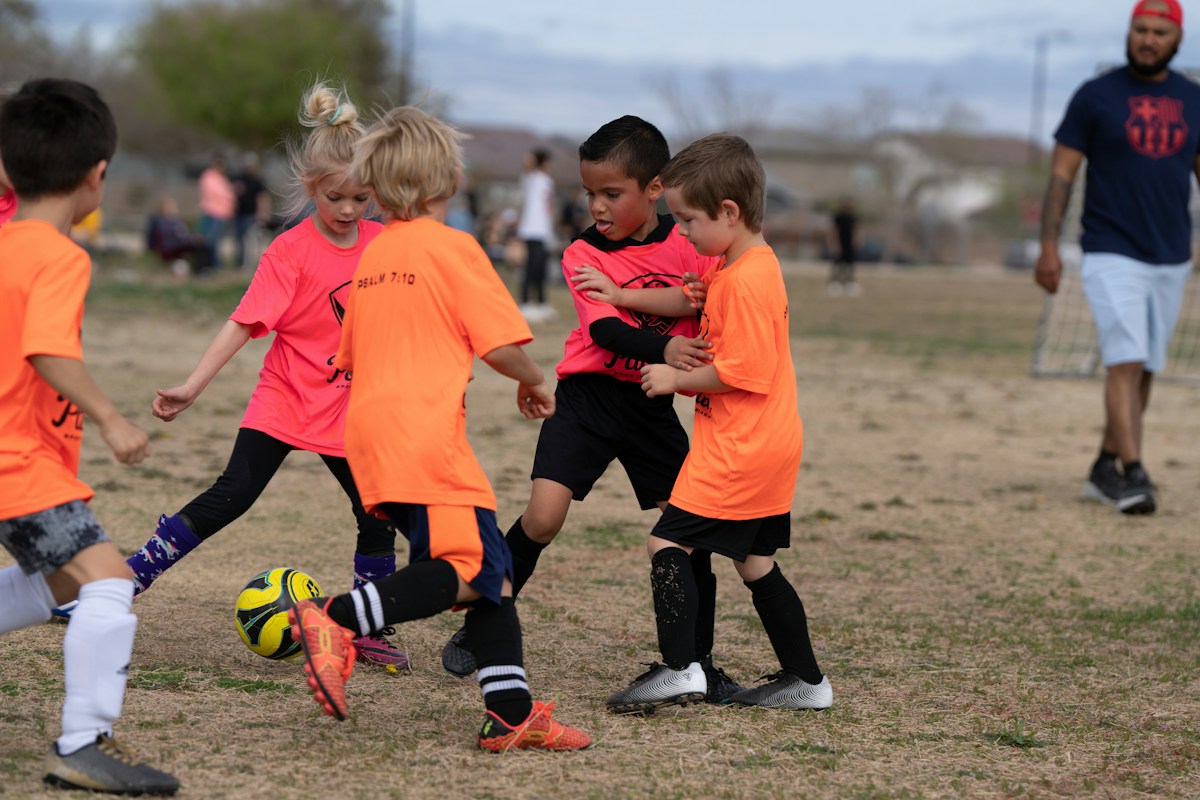
The game is over, your toddler is grass-stained and tired, and a group of little teammates is waiting for snack duty. It is easy to feel like you need decorated bags, expensive drinks, and a perfectly balanced spread.
You do not. The best toddler team snack ideas are simple, portable, affordable, and quick to hand out. Check the team rules and family needs first, then choose a small drink-and-snack combination that fits the weather, schedule, and budget.
Key Takeaways
- Confirm the coach’s snack rules, roster count, and family allergy or dietary notes before shopping.
- Keep it simple: water plus one easy snack is often enough; add produce or a filling item when it makes sense for the event.
- Store-bought and individually packaged foods are practical choices, not shortcuts to apologize for.
- Choose items that travel well, need little cleanup, and suit the children’s ages and eating skills.
- A shared snack schedule with clear expectations keeps costs and pressure low for every family.
Start With Team Rules, Allergies, and the Game Schedule
Before putting anything in your cart, check with the coach. Some teams do not offer post-game snacks, while others may have rules about drinks, shared foods, ingredients, or where children can eat after an activity.
Ask whether snack duty covers players only or whether coaches and siblings are customarily included. A short toddler practice followed by an immediate trip home may call for a much smaller plan than a long afternoon tournament.
Ask families early about food allergies, dietary restrictions, and ingredients they prefer to avoid. Do not assume a food works for every child because it was fine for another team. Check labels on the exact products you buy and follow the instructions given by the coach or league.
Use this copy-and-send message:
Hi! We have snack duty for Saturday. Please let us know about any food allergies, restrictions, or team snack rules so we can choose something that works for everyone.
Individual servings can be especially helpful when quick distribution, less handling, or ingredient clarity matters. They also allow a parent to decline an item for their child without sorting through a shared bowl.
Match the snack to the event. After a brief morning practice, water and one small snack may be plenty. For a longer or warmer afternoon event, you might choose water plus soft fruit and a permitted filling item. This is not a nutrition scorecard; it is a practical way to avoid bringing more food than young children can manage.
Use the Simple Drink + Protein + Produce Formula
A useful shortcut for toddler team snack ideas is:
- Water
- One easy protein or filling item
- One fruit or vegetable
Treat this as a flexible planning framework, not a rule. If practice was short, the team is large, or the budget is tight, water plus one snack item can still be thoughtful and appropriate.
Water is usually the simplest drink to transport and hand out. Small bottles are convenient for a quick handoff. A shared water setup may cost less if the team already has cups, serving plans, and coach approval.
For a filling item, choose something permitted by the team and manageable for young children. Depending on the information families share, that could be an individually wrapped cracker-style snack, a yogurt pouch kept cold, or a cheese option kept cold. For produce, soft fruit, applesauce pouches, fruit cups, and bananas are often easier than a fruit salad.
Keep kid sports snack portions small and easy to hold. Toddlers may be excited, distracted, tired, or ready to leave, so an adult-sized serving often becomes waste. One small item or a small two-part combination is usually easier to eat in the parking lot or on the ride home.
Also consider each child’s age and eating skills. Foods that are hard, round, sticky, or difficult to chew may be a concern for some toddlers. Use age-appropriate preparation, follow family guidance, and consult a trusted child-safety resource if you are unsure about a particular food.
Affordable Team Snack Ideas From a Regular Grocery Store
Affordable team snack ideas do not require elaborate snack bags. Store brands, seasonal fruit, and one simple item per child can keep the total manageable.
Use these combinations as flexible starting points after you know the team’s needs.
| Snack combination | Best for | Cooler needed | Likely mess level | Packaging type | Budget-saving swap |
|---|---|---|---|---|---|
| Water + applesauce pouch + permitted packaged snack | Quick handoff after a short game | No | Low | Individual | Choose store-brand pouches or offer one snack item instead of two |
| Water + banana + cracker or pretzel-style snack | Morning games and mild weather | No | Low to medium | Mixed | Buy bananas by the bunch and a larger package of portioned snacks |
| Water + soft fruit + yogurt pouch | Cooler-friendly afternoon snacks | Yes | Low | Individual | Use seasonal fruit instead of pre-cut fruit cups |
| Water + cheese option + banana | Families heading straight home after play | Yes | Low | Mixed | Choose a simple multipack that fits team needs |
| Water + fruit cup + permitted grain-based snack | Shelf-stable backup plan | No | Medium | Individual | Swap fruit cups for applesauce pouches if they cost less |
For a shelf-stable option, water, an applesauce pouch or fruit cup, and a packaged snack can work well. Check ingredients after hearing from families, because the best choice depends on the group. If a three-part combination stretches your budget, choose water plus the pouch or water plus one permitted snack.
For a simple produce combination, try water, a banana, and a cracker or pretzel-style snack if it fits the team’s restrictions and the children’s ages. Bananas are often economical and do not require a cooler. Pack them on top of heavier items so they are less likely to bruise.
For cooler-friendly soccer snacks for kids, water, a yogurt pouch or cheese option, and soft fruit may suit the occasion. Pack chilled foods in a cooler with cold packs and keep them cold until handout time. If the day is very warm, the drive is long, or a cooler is not realistic, choose a shelf-stable plan instead.
Morning games often call for the easiest setup: water, a banana or other soft fruit, and a simple packaged grain-based snack. Afternoon games can make chilled fruit pouches or soft fruit with a cooler-held filling item appealing when permitted and properly packed.
To lower the cost, buy seasonal fruit instead of specialty pre-cut containers. Choose store brands when their ingredients work for your group. Skip personalized labels, themed decorations, and party favors; the snack itself is enough.
Pack, Transport, and Hand Out Snacks Without the Chaos
Start with the participating player count. Then ask whether coaches are usually included and whether families handle siblings separately. If your budget allows, bring a modest buffer of one or two extra snack sets rather than planning for every spectator.
Pack everything in one tote or cooler. Add napkins and a small trash bag, especially if children will eat near the field or in a parking lot. A simple label, such as “Saturday Team Snack,” helps keep the bag from getting mixed up with other gear.
Keep the handout routine easy: drink first, snack second, trash bag nearby. Individual items are fast because each child can take one of each. If the coach prefers adults to hand food directly to children, follow that routine rather than setting food on a table.
Individual packaging may be worth the added cost when speed, less handling, or clear labels are priorities. Shared bulk servings can cost less, but they require cups, napkins, serving tools, and extra attention to allergy concerns. They can also become messy when toddlers are eager and adults are trying to pack up.
Packaged snacks are a practical option. A store-bought pouch, cracker pack, or simple fruit item can be easier to transport and distribute than a homemade treat. You do not need to make soccer-ball snacks, color-coordinate the food, or provide a dessert table.
Plain water is usually the least complicated drink choice. It reduces sticky spills in car seats and avoids another decision about flavors, dyes, or added sweetness.
Avoid Hot-Weather, Messy, and Toddler-Unfriendly Surprises
A snack that looks great in the kitchen can become frustrating after a warm car ride. Before buying, ask: Does it melt, leak, need utensils, require refrigeration, or leave sticky hands on every car door?
Chocolate-coated treats, frosted baked goods, and other melt-prone foods can be difficult on hot days. Chilled cheese and yogurt can be useful when kept cold, but they are not ideal when you do not have a dependable cooler plan. When weather and travel make chilled food complicated, shelf-stable choices are often easier.
Juicy cut fruit can drip, particularly when small hands squeeze the containers. Sticky treats can attract field dirt, while crumbly snacks may end up on jerseys and car floors. Easier swaps include bananas, applesauce pouches, suitable soft whole fruit, or a less crumbly packaged snack.
Foods requiring utensils create more work. Fruit salad may sound appealing, but it needs containers, forks, cold storage, and a place for wet lids. For a toddler team, one hand-held item is often more useful than a prettier multi-step snack.
Be thoughtful about foods that may be difficult for young children to chew or manage. Hard, round, sticky, and very crunchy foods can be unsuitable for some toddlers, and preparation matters. Do not treat any list as universally safe; use age-appropriate choices, follow family guidance, and seek trusted child-safety guidance when needed.
Make Snack Duty Easier for Every Family
A rotating schedule prevents one organized parent from carrying snack duty every week. Use a shared calendar, team message, or simple spreadsheet with the date, assigned family, expected player count, snack rules, and allergy notes supplied by the coach.
Set a clear, low-pressure expectation. For example: one drink and one snack per participating child, with optional fruit if it fits the family’s budget. This gives everyone permission to keep snack duty simple.
If the team has a wide range of preferences, ask the coach to establish one basic standard. A consistent plan, such as water plus one individually packaged snack, may be easier for everyone than asking each family to guess what is expected.
Affordable team snack ideas do not need to impress anyone. A thoughtful, ordinary snack that arrives on time, survives the car ride, and follows team instructions is a success. The children are there to play with friends, not judge the packaging.
FAQ: What are easy post game snacks for toddlers?
Easy post-game snacks can be as simple as water and a banana, water and an applesauce pouch, or water with a permitted packaged snack. If the team wants a fuller combination, add soft fruit or a cooler-held item that fits the group’s restrictions. Keep portions small, choose age-appropriate foods, and check team rules before shopping.
FAQ: Are packaged snacks okay for soccer snacks for kids?
Yes. Packaged snacks can be a practical choice for soccer snacks for kids because they are easy to transport and hand out quickly, and their labels can help families review ingredients. Choose items based on the team’s allergy and ingredient needs, not pressure to make everything homemade.
FAQ: How many snacks should I bring for a toddler sports team?
Confirm the roster and coach expectations first. Plan one snack set for each participating child, then add only a small extra buffer if it fits your budget. Do not assume you need enough for every sibling or spectator unless that is the established team custom.

