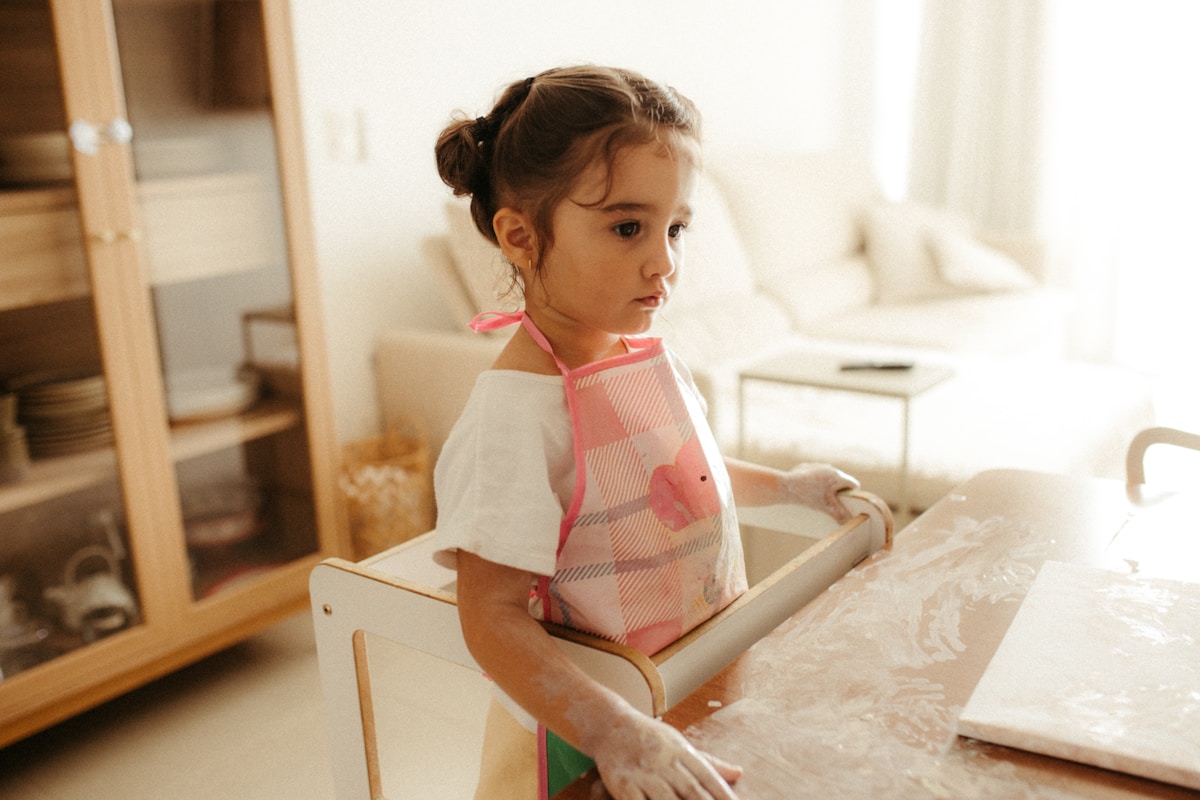
It can happen in the few seconds you turn to drain pasta: your newly confident toddler reaches up, presses a bright button, and the oven beeps. It is an unsettling moment, but a practical plan can reduce the chances of it happening again.
The best way to toddler proof oven buttons is to use layers: identify every control your child can reach, use your appliance’s built-in lock when available, add compatible physical protection where needed, and build a few reliable kitchen routines. No single device makes a kitchen completely childproof, but several simple safeguards can make everyday cooking more manageable.
Key Takeaways
- Check every reachable control, including touch panels, front-mounted buttons, knobs, and the oven door handle.
- Find your exact appliance manual and use its oven control lock according to the model-specific instructions.
- Use childproof stove knobs, knob covers, guards, or door locks only when they fit your appliance and do not interfere with safe operation.
- Keep stools and climbable items away from the range, and supervise children closely during cooking and cleanup.
Start by identifying which controls your toddler can reach
Before buying anything, look closely at your oven or range. A toddler may be able to reach more than one type of control, and each access point may need a different solution.
Common layouts include:
- A flat touch panel above the oven door
- Push buttons on the front of the range
- Burner or oven knobs across the front
- Knobs on a raised back panel
- A wall oven with buttons or a touchscreen at adult waist height
Do a simple reach check without letting your child experiment with the appliance. Stand or crouch at roughly your child’s height and note what is within easy reach. Also consider what becomes reachable when a toddler is on tiptoes, wearing shoes, pulling on the oven handle, or standing near a chair or stool.
Make a quick list of the access points. Your child may reach the bake button and timer controls but not the burner knobs. Or they may easily turn front-mounted knobs while the touch panel remains out of reach. The oven door handle is a separate concern again.
This distinction matters. A control lock, knob cover, stove guard, and oven-door lock do different jobs. A door lock may limit door opening, for example, but it does not necessarily stop a child from turning on the oven. Childproof stove knobs also will not protect a flat touch panel.
If you are trying to toddler proof oven buttons after moving, repeat this check in the new kitchen. Appliance layouts vary widely.
Check for an oven control lock before buying anything
Many ovens and ranges have a built-in oven control lock. It may be called Control Lock, Control Lockout, Lock Controls, or Control Panel Lock. When available, it is often the best first layer because it was designed for that specific appliance.
Do not guess at the button sequence. The way to turn a lock on or off, and the functions it affects, can differ by brand, model, and control style.
Start by finding the exact model number. It may be located:
- Around the oven-door frame
- Along the inner edge of the door
- Near the storage or lower drawer
- On a label behind or beside the control panel
- In owner paperwork left by a previous owner or landlord
Write down the full model number, not only the brand name. Then use the printed manual or find the manufacturer manual for that exact model. Search the manual for “lock,” “control lock,” “lockout,” or “controls.”
Follow the range lock instructions exactly as written. One appliance may require holding a marked button, while another may use a menu setting or a combination of buttons. The hold time and display message can vary, too.
After activating the lock, confirm that it is on. Look for the symbol or message described in the manual, then test it only as the manual directs. If your appliance has a lock setting, add it to your after-cooking cleanup routine.
Know the limits of your oven control lock. Depending on the model, some features may remain available, including physical knobs, timers, the oven door, clock settings, or a cooking cycle that was already running. Do not assume a control lock turns off an active setting unless your manual specifically says it does.
Some appliances may also need the lock reset after a power interruption or appliance reset. Check the manual for your model. If the lock seems confusing or does not behave as expected, contact the manufacturer or property manager rather than relying on trial and error.
Add compatible physical protection for exposed knobs or buttons
A built-in lock can be helpful, but it may not address physical knobs or every reachable control. Physical products can add another layer when they fit your appliance properly and do not interfere with normal operation.
For protruding knobs, childproof stove knobs or knob covers may help make individual controls harder for small hands to turn. Before choosing one, compare the product’s fit guidance with your specific range.
Check these details first:
- Knob shape, diameter, and depth
- Space between neighboring knobs
- Whether knobs sit on the front or top of the range
- Clearance around the knobs and control panel
- Whether the product is intended for your appliance style
- Cleaning instructions and any stated use limits
Do not force a cover over a knob or use one that presses against the panel, rubs adjacent knobs, or makes normal adult use difficult. A poorly fitting cover can create problems during a busy cooking moment.
For flat touch controls or front-mounted buttons, a purpose-made stove guard or control-panel barrier may be an option. Check both the appliance instructions and the product instructions before installing anything. The guard should not block ventilation, interfere with safe operation, create difficult cleaning areas, or sit where heat or moving parts make it unsuitable.
Avoid improvised barriers such as tape, homemade covers, or makeshift guards. They can leave residue, interfere with controls, or make the appliance harder to use safely.
If the main concern is the oven door, choose a product specifically intended for door access. Keep the distinction clear: an oven-door lock does not automatically prevent a toddler from activating oven settings. Depending on what your child can reach, you may need both a control solution and a door solution.
Treat guards and covers as added friction, not guarantees. Children can keep trying, products can be removed or damaged, and adults still need to check that the appliance is off.
Build routines that help prevent toddler oven access every day
Kitchen safety for toddlers works best when tools are paired with predictable habits. A short routine is often more useful than a complicated setup that is hard to maintain.
During preheating, active cooking, and cleanup, create a child-free cooking zone when possible. This does not require a perfect kitchen setup. It may mean placing your toddler in a safe, supervised nearby space while you transfer a hot dish, check the oven, or wipe down the range.
Prepare an alternative before you begin cooking. Keep a simple activity ready, such as books, a washable bowl and spoon at the table, or another safe seated activity nearby. The goal is not to exclude children from family life. It is to avoid asking a curious toddler to wait beside an interesting appliance during high-attention moments.
Use this quick finish-up check after cooking:
- Turn off the oven and burners using the normal controls.
- Look at the display and each knob.
- Activate the oven control lock if your appliance has one.
- Move oven mitts, towels, and utensils away from the range.
- Remove stools, chairs, and other climbable items from the cooking area.
Keep step stools where children can use them for safe activities, such as handwashing with an adult nearby, rather than beside the range. A toddler who cannot reach a panel today may reach it tomorrow with a stool, chair, or new climbing skills.
Active supervision still matters when locks, covers, and guards are in place. These layers can help reduce access, but they do not replace close attention around cooking appliances.
Use this quick safety check for renters, grandparents, and visiting children
A kitchen may work well for the adults who use it every day but be unfamiliar to a visiting caregiver or a child who has recently grown taller. This quick check is useful in rentals, vacation homes, grandparents’ homes, and households expecting young visitors.
- Find the appliance model number and note where the manual is stored.
- Learn whether an oven control lock is available and how adults unlock it before cooking.
- Check which controls remain accessible after the lock is activated.
- Inspect knob covers or guards for fit, clearance, and normal operation before relying on them.
- Put away stools, chairs, and other climbing aids near the range when they are not in use.
- Tell every caregiver which controls are locked, what is still reachable, and where to find appliance instructions.
- Keep children away from the cooking area during preheating, cooking, and hot-pan cleanup.
For renters, do not alter the appliance or attach a product in a way that conflicts with the lease, appliance instructions, or property manager requirements. If a built-in lock does not work, report it rather than attempting repairs yourself.
If a child turns on an oven setting
First, stay calm and move your child away from the appliance. From a safe position, look at the display, knobs, and burners to see what changed.
Turn the appliance off using the manufacturer’s normal instructions. Do not assume that activating an oven control lock will stop a setting already in progress unless the manual specifically says it will. If a control does not respond as expected, check the manual or contact the manufacturer for guidance.
If you smell gas, avoid creating sparks or flames. Do not light a match or operate electrical switches nearby. Leave the area and follow the emergency directions from your gas utility or local emergency services.
After the immediate issue is handled, identify the access point. Did your child press a touch button, turn a knob, open the door, or climb onto something? Improve the layer that matches the problem: enable the control lock, reassess compatible knob protection, move a stool, or adjust the cooking routine.
FAQs
Do all ovens have an oven control lock?
No. Many appliances include a control-lock feature, but not every oven or range has one. Even when a lock is available, the functions it controls vary. Find the exact model number and check that model’s manual rather than relying on a button symbol that looks similar to another appliance.
Do childproof stove knob covers fit every range?
No. Knobs vary in shape, spacing, position, and clearance. Check the cover maker’s fit information alongside your appliance layout, and make sure the cover does not interfere with adjacent controls or normal use. If you cannot confirm compatibility, choose another safety layer instead.
Can I use a control lock while the oven is cooking?
It depends on the appliance. Some models may allow certain lock functions during cooking, while others may not. A lock also may not affect an already-running cycle. Use the manufacturer instructions for your exact oven before making it part of your cooking routine.