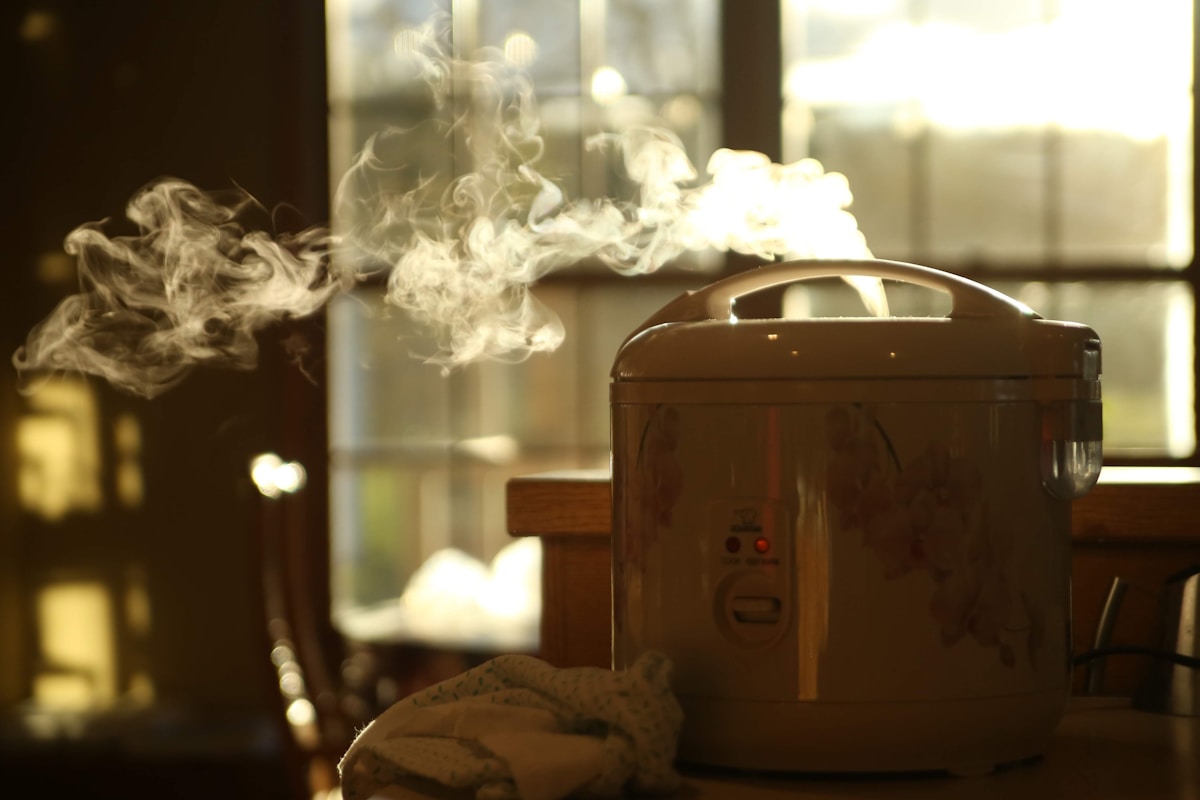
You find a bargain slow cooker at a thrift store or garage sale and imagine an easy chili simmering while you get on with your day. Then you notice the cord looks worn or the insert rocks slightly in the base, and the bargain feels less certain.
The best way to test a used slow cooker is in stages: inspect it while unplugged, confirm its model and parts, then run a supervised water-only test. A clean appearance and an uneventful test do not certify an appliance as safe, but they can uncover obvious problems before you trust it with food and a long cook.
Key Takeaways
- Inspect the cord, plug, base, controls, lid, and ceramic insert before plugging in the cooker.
- Do not use a slow cooker with exposed wiring, a damaged plug, a cracked electrical base, smoke, sparks, or repeated burning smells.
- Use water only for a supervised heating test, following the model manual’s fill guidance when available.
- A successful water test is a basic functional check, not proof that the cooker is safe for unattended cooking.
- Only use replacement lids and inserts confirmed for your exact slow cooker model.
Inspect the slow cooker before you plug it in
Start with the cooker unplugged, empty, and completely dry. Place it on a stable counter in good light so you can inspect the base, cord, insert, and lid without rushing.
Begin with the plug and cord. Look for fraying, splits, flattened spots, stiffness, discoloration, melted areas, bent prongs, loose prongs, or exposed wire. Follow the cord to where it enters the base and check for cracking, looseness, or damage around that connection.
A damaged cord or plug is a stop-use issue. Do not wrap it with tape, bend it into a better position, or assume it is fine because the cooker powers on. A questionable appliance is usually better replaced than improvised upon.
Next, inspect the outer housing. Check for cracks, dents that affect the base shape, warped plastic, corrosion, loose handles, loose feet, or controls that feel detached. The cooker should sit flat without wobbling, and its handles should feel firmly attached.
Watch for signs of past overheating. Darkened areas near the controls, cord connection, or bottom vents deserve caution. So do melted plastic, a sharp electrical odor that remains after cleaning, or residue that appears to have leaked into the heating base.
Remove the ceramic insert and inspect it inside and out. Do not use an insert with a crack, chip, sharp edge, or other visible structural damage. Fine surface crazing can be difficult to judge, but if you can feel a line with a fingernail, see a crack extending through the material, or are unsure whether the insert is sound, do not use it.
Set the insert back into the base. It should sit as the model intends, without an odd tilt, major rocking, or a gap suggesting it is not the correct piece. It may not fit tightly, but it should feel stable and should not seem forced into place.
Finally, inspect the lid. Look for cracks, chips around the rim, a loose knob, sharp edges, or a lid that does not rest properly on the insert. A missing knob is not merely cosmetic if it makes a hot lid difficult to lift safely.
Cosmetic scuffs are one thing; damage that affects electricity, stability, fit, or handling is another. Exposed wiring, a cracked heating base, unstable handles, or broken structural parts mean the cooker should not be used.
Check the model and parts before a used crock pot safety test
Before a used crock pot safety test, turn the base over and find its label. Record the brand, model number, and other identifying details. You may also find the electrical rating and control information there.
The model number matters because similar-looking slow cookers can use different inserts, lids, control layouts, and replacement parts. Look for the manufacturer manual for that exact model if it is available. It can explain the controls, cleaning method, included parts, and any model-specific fill guidance.
Compare the cooker with the manual photos or parts list. Check the insert shape, lid style, knob, handles, and controls. If the manual shows a locking lid, gasket, probe, or a particular control panel that your cooker lacks, do not assume the missing or substitute part is harmless.
A lid or insert should be intended for the exact model or specifically identified by the manufacturer as compatible. Similar diameter is not enough. A mismatched insert can sit at the wrong height, transfer heat unpredictably, put pressure on the base, or leave the lid fitting poorly.
Replacing a chipped lid or cracked insert addresses only that part, and only when the replacement is confirmed compatible and the base is otherwise sound. It does not fix a burnt smell, faulty control, damaged cord, loose connection, or heating problem in the base.
Unreadable controls are another reason to pause. If you cannot identify Off, Low, High, or Warm, do not guess during a food cook. Treat modifications, such as a non-original switch, homemade knob, spliced cord, or altered plug, as a reason to retire the appliance rather than experiment with it.
Run a supervised slow cooker heating test with water
A slow cooker heating test with water is a basic observation step, not an electrical inspection or safety certification. It can show whether the cooker heats, whether the controls respond, and whether obvious warning signs appear. It cannot prove that an older appliance will perform reliably through every long recipe.
Choose a clear, dry, stable counter with room around the appliance. Keep it attended throughout the test and make sure you can reach the outlet easily if you need to disconnect it. Keep the cord away from the hot base and the counter edge.
Check the manual for minimum and maximum fill guidance first. If you cannot find a manual, do not invent a universal fill level. Add water only, not food, oil, or cleaner, and make sure the outside of the insert and the inside of the heating base are dry before assembly.
Put the lid on if that is how the model is designed to operate. Plug the cooker directly into a suitable wall outlet. If it has more than one heat setting, test one setting at a time rather than repeatedly turning the dial back and forth.
Check that the indicator light, dial, buttons, display, or timer respond as described in the model instructions. An indicator light only shows that part of the control system is responding; it does not confirm proper heating or overall used crock pot safety.
Stay nearby as the cooker warms. You are looking for steady, ordinary operation, not trying to reach a universal target temperature. If the model has distinct settings, they should appear to work as the manufacturer describes, although some slow cookers cycle on and off during normal operation.
Stop the test immediately if you notice smoke, sparks, popping sounds, a burning smell, a melting-plastic smell, or unusual buzzing. Also stop if the plug or cord becomes excessively hot, the cooker leaks, the controls flicker or behave erratically, or the base heats in a way that does not match its design.
Unplug by gripping the plug, not pulling the cord. Let the cooker cool fully before touching the insert, moving the base, or inspecting it again. Do not plug it back in just to see whether the problem happens twice.
There is no universal water-test duration that proves a secondhand slow cooker is safe. Follow the model manual if it provides a procedure. Otherwise, keep the test supervised long enough to observe that the appliance begins warming and that the controls behave consistently.
Avoid relying on a kitchen thermometer as a stand-alone pass-or-fail test unless the manufacturer manual provides a specific method for your model. Different slow cookers, fill levels, lids, and settings can behave differently, and one water reading cannot guarantee how the cooker will handle an actual recipe.
Decide whether the cooker is ready for a first recipe
If the inspection and supervised test are uneventful, clean the insert, lid, and exterior according to manufacturer guidance. Do not immerse the electrical base in water. Clean and dry it only as the manual allows before reassembling the cooker.
For a slow cooker temperature test, use the model manual as your first comparison point. Check what it says about the controls, normal cycling, recommended fill range, and use of the lid. Do not assume that one test establishes a universal safe setting, water temperature, or cooking time.
Treat the first food recipe as another supervised trial. Choose a time when you will be home and able to check the cooker periodically instead of relying on a newly acquired appliance for an all-day unattended meal.
Use the cooker as intended: keep the lid in place when the recipe calls for it, avoid overfilling, and do not force an insert or lid that does not fit. For foods requiring particular handling, follow a reliable recipe and appropriate food-safety guidance rather than treating the appliance test as proof that every recipe will be safe.
Stop using the cooker if it shuts off unexpectedly, overheats, develops a new odor, leaks into the base, has unreliable settings, or behaves differently from the model instructions. A garage sale crock pot is not a bargain if you must constantly monitor it or cannot trust it to finish a meal reliably.
Know when a secondhand slow cooker should be retired
Retire the appliance immediately if it has a damaged plug or cord, exposed wiring, a cracked electrical housing, sparks, smoke, repeated burning smells, or any shock or tingling sensation. These are not normal signs of age, and they are not problems to solve with tape, glue, or a replacement lid.
Do not use a cracked ceramic insert. Heat, weight, and temperature changes can make damage worse, and a crack can affect cleaning and safe handling. Replace a broken lid if it cannot sit correctly, has sharp damaged edges, or cannot be lifted safely.
Some wear is only cosmetic. A faded logo, minor exterior scratches, or marks on an otherwise sound insert may not affect operation. But when you cannot tell whether a mark is superficial or structural, the practical choice is to skip the appliance.
Use a three-part decision rule to check a secondhand slow cooker: it should pass a close visual inspection, complete a supervised water-only test without warning signs, and match available manufacturer information for its model and parts. If it fails any of those checks, or you cannot confidently complete them, replace it rather than trusting it with a long cook.
FAQs
Can I use a slow cooker with a small crack in the ceramic insert?
No. Even a small crack can worsen with heat and handling, and it is difficult to know how deep it runs. Replace the insert only if the manufacturer confirms that the replacement fits your exact model and the base is otherwise sound.
How long should a supervised water test for a used slow cooker run?
There is no universal test duration that proves safety. Follow the model manual if it offers a procedure. Without one, stay with the cooker long enough to observe normal warming and control behavior, and stop immediately if you notice an odor, smoke, sparking, excessive heat, leaking, or erratic operation.
Is it safe to leave a garage sale crock pot unattended after it passes a test?
A passed water test does not guarantee safe unattended long cooking. It is a limited functional screen. Make the first food cook a supervised trial, follow the manufacturer instructions, and replace the appliance if its condition or behavior remains uncertain.