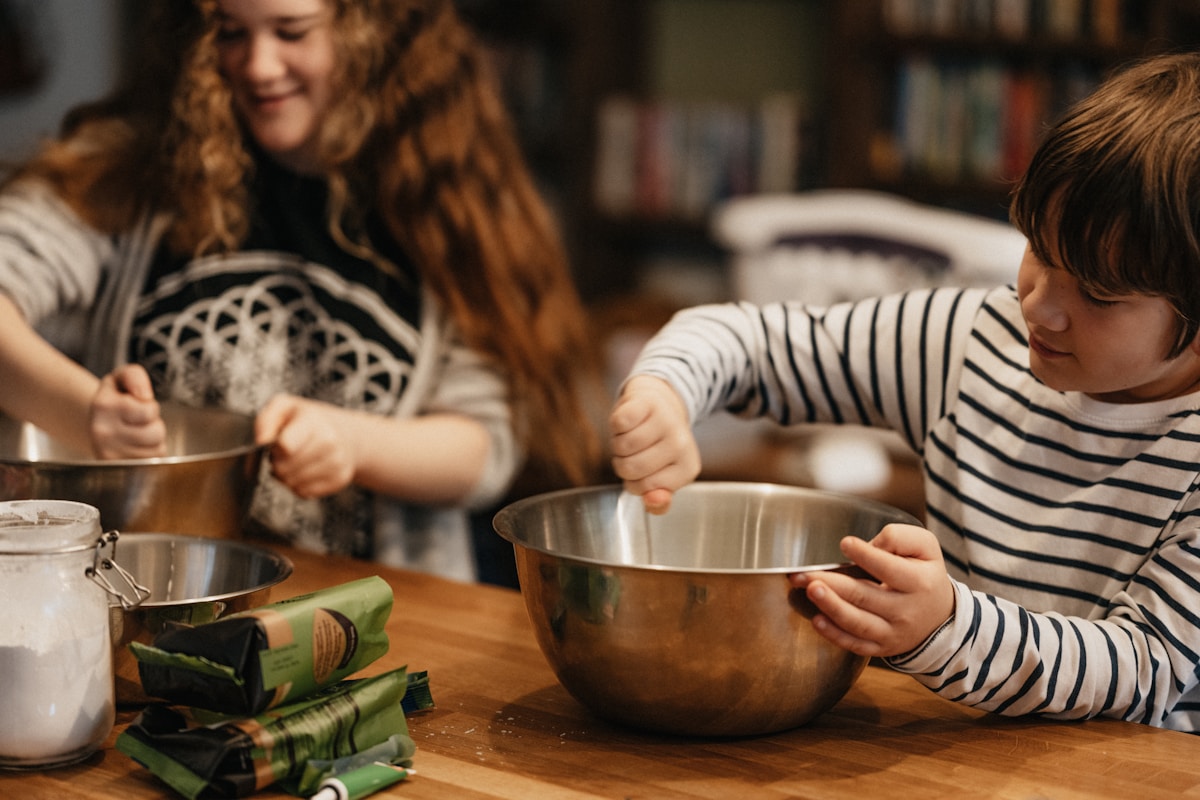
It’s a familiar scene: you’re tired and your teen says, “I’ll make dinner.” You feel proud, but a little worry creeps in. Will they be safe? Will the meal turn out? With the right approach, you can teach your teen to cook dinner independently while building skills for life. This guide focuses on structured freedom: offering choices, supervising safety, and letting them learn through trial and error.
Key Takeaways
- Start with simple pantry choices to encourage creativity and decision-making.
- Teach essential safety skills: knife grip, stovetop rules, and handwashing.
- Let teens read package directions and check doneness cues.
- Embrace mistakes as learning opportunities; adjust and praise effort.
- Gradually increase independence through assisted, guided, and solo cooking.
Start with Simple Pantry Choices
Instead of handing your teen a complicated recipe, open the fridge and pantry together. A limited selection of ingredients prevents overwhelm and sparks creativity. For example, your teen might choose chicken sausage, gnocchi, a splash of cream, and a handful of spinach. Let them pick combinations that sound good to them. This builds decision-making skills and reduces food waste by using what you already have.
Ask guiding questions: “Which protein do you feel like? Do you want a tomato sauce or a creamy one? Should we add a vegetable?” These small choices give your teen ownership of the meal. You can also invite them to browse cookbooks or online recipes for inspiration, then help them refine ideas into something doable with your pantry.
A practical tip: keep a “teen-friendly” shelf with versatile staples like pasta, canned tomatoes, frozen vegetables, eggs, cheese, and a few sauces. This way, your teen can always find something to work with, even on a weeknight.
Teach Proper Knife and Stovetop Safety
Before cooking solo, your teen needs basic safety skills. Start with knife skills: demonstrate the claw grip (tucking fingertips under) on a stable cutting board. Let them practice on soft items like mushrooms or bell peppers first. Supervise closely until you see consistent safe habits.
Stovetop safety is just as important. Show how to turn knobs properly, adjust heat gradually, and use oven mitts. Set a firm rule: no phones or other distractions while using sharp tools or an open flame. This builds focus that keeps them safe.
For raw meat, review handwashing before and after handling, and explain cross-contamination: use separate cutting boards and utensils for raw meat and ready-to-eat foods. Have an instant-read thermometer handy and teach your teen to use it (e.g., for chicken or sausages). Many home cooks rely on visual cues too: juices run clear, meat is no longer pink, pasta is tender. Encourage your teen to ask “Does this look done to you?” until they develop their own judgment.
Encourage Reading Package Directions
A powerful habit: hand your teen the package of gnocchi, pasta, or sauce and ask them to interpret the instructions. This builds literacy and confidence. Discuss the cooking method: boiling, sautéing, baking. Why does timing matter? What happens if you boil gnocchi too long? Let them read the label and talk through the steps out loud.
Teach them to look for doneness cues. For example, gnocchi float when ready. Pasta should be al dente. Vegetables should be fork-tender. Using a thermometer removes guesswork for proteins. Over time, your teen will internalize these signals and rely less on the package.
Let Them Make Mistakes and Adjust
This is the hardest part for many parents: letting your teen make mistakes. But mistakes are the best teachers. If your teen oversalts the sauce, guide them to taste and add a splash of water or cream to balance it. If they undercook the gnocchi, put it back in the pan and let them see the difference. Praise the effort first, then discuss what could be tweaked next time.
The goal is not a perfect meal but developing intuition. When your teen’s improvised dish turns out different from expected, celebrate their creativity. Maybe they combined duck fat, chicken sausage, and gnocchi in a way you never would have thought of. That’s a win. Say things like, “I love how you made that work with what we had.” This builds the confidence to keep experimenting.
Build Confidence with Praise and Involvement
Thank your teen out loud for their effort. A simple “Thank you for making dinner tonight” goes a long way. Involve them in weekly meal planning: “What sounds good for Tuesday?” or “What vegetables should we pick up this weekend?” This makes them feel like a valued contributor to the family, not just someone following orders.
As they master basic tasks, gradually reduce hands-on supervision. Start by sitting at the counter while they cook, then move to checking in from the next room, and eventually trust them to cook solo while you handle other chores. Every teen is different—trust your judgment. If they show consistent safe habits and can ask for help when stuck, they’re ready for more independence.
A Progression Toward Independence
Not every teen will jump from watching to cooking solo overnight. Use a clear progression:
Level 1: Assisted cooking. You explain a technique (e.g., how to sauté onions). Your teen executes it with you right beside them. You handle the parts they’re not ready for, like draining hot pasta.
Level 2: Guided cooking. Your teen chooses a recipe (or improvises). They start cooking while you stay nearby to answer questions and spot potential safety issues. You might leave the room for a few minutes but return frequently.
Level 3: Solo meal prep. Your teen plans the meal, makes a shopping list, buys ingredients (with a budget), and cooks from start to finish. You remain available by phone or text but trust them to handle the process.
To help your teen track readiness, create a simple checklist: can they hold a knife safely? Can they turn the stove on and off without help? Do they know where the fire extinguisher is? Do they wash their hands after touching raw meat? Checking off these items together builds mutual confidence.
Frequently Asked Questions
How do I know when my teen is ready to cook alone?
Look for consistent safe habits: always using oven mitts, keeping knives away from counter edges, washing hands after handling raw meat, and checking food for doneness. Also, they should be willing to ask for help when unsure. If you can leave the room and trust they won’t cut themselves or start a fire, they’re probably ready.
What if my teen’s meal doesn’t turn out well?
Treat it as a learning experience, not a failure. Ask what they think went wrong: too much salt? Not enough cooking time? Undersized vegetables? Encourage them to adjust next time. Avoid criticism; focus on what they tried and what they’d do differently. The best chefs have plenty of flops—the skill is in learning from them.
How can I involve my teen in meal planning without it becoming a chore?
Keep it light. Ask for one or two dinner ideas per week. Let them flip through a cookbook or search online for inspiration (with your guidance). Then help them refine the choices based on ingredients you have or can buy. Make planning a fun, collaborative part of the week, not a lecture.