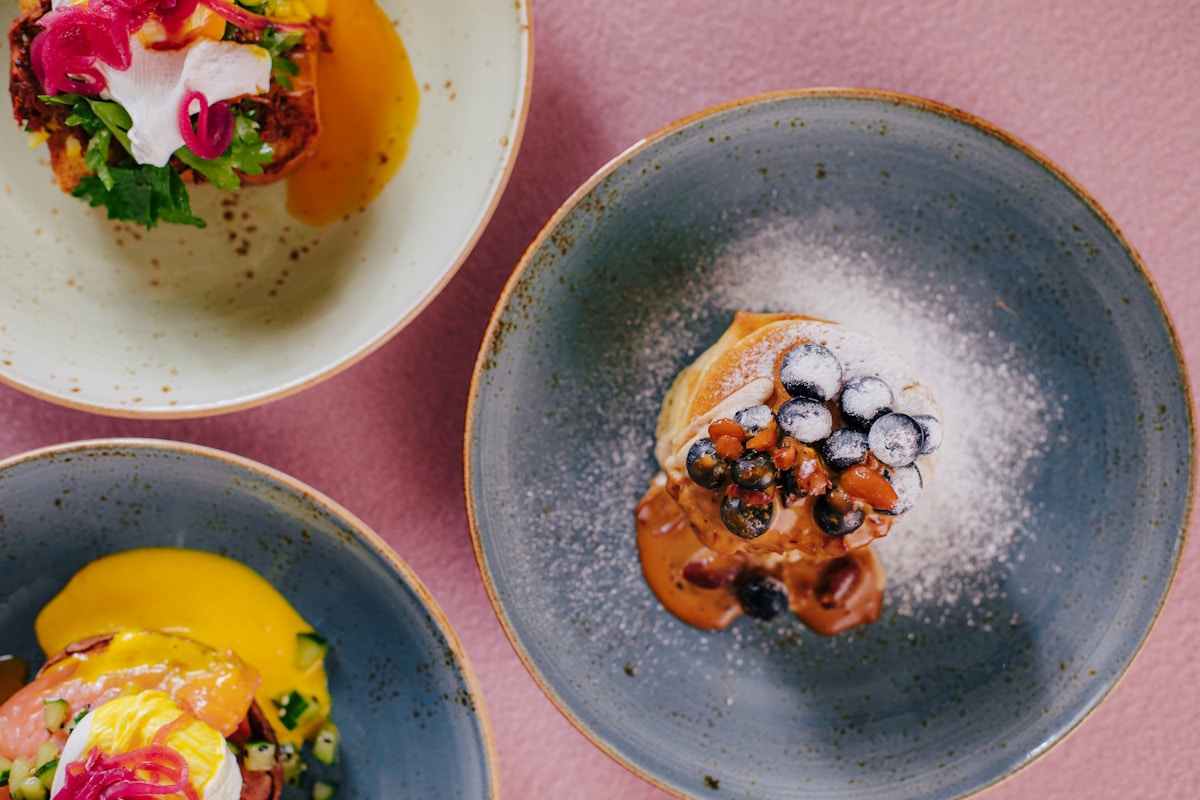
The line stretches out the door. Mimosas are running low. And somewhere in the kitchen, a line cook is trying to poach forty eggs at once. Mother’s Day brunch – the most wonderful, and most chaotic, meal of the year. If you’ve ever hosted one at home, you know the struggle: timing pancakes with bacon, keeping eggs warm, and trying to actually sit down with your family. But what if this year could be different? What if you could serve a gorgeous brunch without breaking a sweat?
I’ve spent years in the kitchen (both professional and home) and I’ve learned that the secret to a relaxed brunch isn’t complicated recipes – it’s planning. After reading a recent thread on r/KitchenConfidential where restaurant cooks called Mother’s Day brunch an “endurance event,” I knew I had to share the strategies that turn chaos into calm. Here’s how you can pull off a memorable meal that honors the moms in your life – and your own sanity.
Why Mother’s Day Brunch Feels Like an Endurance Event
Let’s be honest: brunch is inherently tricky. You’re serving breakfast and lunch items simultaneously, often with different cook times and temperatures. Pancakes need a hot griddle, eggs need gentle heat, and bacon needs its own attention. Add a crowd of hungry, expectant family members and the pressure mounts fast.
Professional cooks from the Reddit thread shared horror stories of chaotic buffet lines, undercooked eggs benedict, and waits that stretched past an hour. The common thread? Overcomplication. Home hosts often try to recreate a restaurant-style spread with a dozen dishes, each requiring last-minute attention. That’s a recipe for stress, not joy.
The fix is simple: scale back and plan ahead. The chefs agreed that a small menu with at least one pre-prepared dish, plus delegation of tasks, transforms the experience. Your goal is to spend time with your family, not trapped behind a stove.
Build a Make-Ahead Menu That Works While You Sleep
The backbone of any stress-free brunch is dishes that can be assembled the night before. You want recipes that rest in the fridge and then simply bake or reheat when guests arrive. These are your heroes:
- Savory Strata: This bread-based casserole is the king of make-ahead brunch. Cube a loaf of day-old sourdough (or brioche for richness), mix with eggs, milk, cheese, and your choice of cooked sausage, bacon, or roasted vegetables. Pour into a buttered 9x13 dish and refrigerate overnight. In the morning, bake at 175°C (350°F) for 45-50 minutes until golden and puffed. (Trust me, the custard sets perfectly after an overnight soak.)
- Classic Quiche: A buttery pastry shell filled with eggs, cream, and fillings like spinach and feta or ham and Swiss. Blind-bake the crust the day before, then whisk the filling and refrigerate. In the morning, pour and bake at 160°C (325°F) for about 40 minutes. A KitchenAid mixer makes the filling silky in seconds.
- Baked Oatmeal: Combine rolled oats, milk, maple syrup, cinnamon, and dried fruit in a baking dish. Let it sit overnight, then bake at 180°C (350°F) for 30 minutes. Serve warm with a drizzle of cream.
- Fruit Salad: Chop melon, berries, and citrus the night before and toss with a squeeze of lime. Keep it covered in the fridge. It’s fresh, bright, and takes no morning effort.
These dishes buy you time because they require zero last-minute work. You can even set the table the night before – including plates, glasses, and the coffee station. (Your future self will thank you.)
Timing the Hot Stuff Like a Pro
Even with make-ahead dishes, you’ll likely want some hot items like pancakes, bacon, or scrambled eggs. The key is staging and multitasking. Here’s a battle plan:
Bacon in the Oven: Forget the splattering skillet. Lay bacon strips on a rimmed baking sheet lined with foil (or a wire rack for extra crispness). Bake at 200°C (400°F) for 15-20 minutes, depending on thickness. A Lodge cast iron skillet holds heat beautifully, but any heavy sheet pan works. The oven does the work, and your stovetop is free for other tasks.
Pancakes on a Griddle: Use a large electric griddle (like a Presto) set to 190°C (375°F). That way you can cook six to eight pancakes at once. Make a big batch of King Arthur Flour’s buttermilk pancake mix the night before – just add eggs and buttermilk in the morning. Keep cooked pancakes warm on a tray in a low oven (95°C/200°F) while you finish the batch.
Scrambled Eggs Low and Slow: For tender scrambled eggs, use a nonstick pan and cook over medium-low heat, stirring gently. Add a splash of cream and remove from heat just before they set – carryover cooking will finish them. For a crowd, you can bake eggs in a buttered dish at 175°C (350°F) for 10-12 minutes; stir once halfway for a creamy texture.
Eggs Benedict Hack: Poaching eggs for a crowd is a disaster waiting to happen. Instead, make a cheesy grits base or serve a country-style baked eggs with ham and hollandaise (which can be made ahead and gently reheated). Or skip the benedict altogether and offer a simple avocado toast bar – everyone builds their own.
A practical tip: set a timer for each component. Write down the sequence on a sticky note: “350F oven for strata, start at 10:00; bacon at 10:15; pancakes at 10:30.” It sounds old-school, but it frees your mind from mental math.
The Setup That Saves Your Morning
Professional cooks stressed that reducing steps is everything. Here’s how to set up for success:
- Buffet Style: Instead of plated service, set up a buffet on the kitchen counter or dining table. Arrange plates at one end, then hot dishes, then cold dishes, then utensils. This lets guests serve themselves at their own pace and you’re not stuck as a waiter.
- Delegate Like a General: Assign family members specific tasks. One person keeps the coffee and juice filled, another monitors the bacon tray, a third keeps the table clean. Kids can handle napkins and silverware. (Yes, really – give them a job and they’ll feel included.)
- Prep the Beverage Station: Set up a self-serve mimosa bar with orange juice, sparkling water, and a bottle of prosecco. Ice bucket and glasses ready. Same for coffee: have mugs, cream, and sugar out before anyone arrives.
- Keep It Small: A menu with three main dishes (one make-ahead, one hot, one cold) plus a fruit platter and bread is plenty. Trying to offer seven options guarantees chaos. Quality over quantity, always.
A Simple, Balanced Menu to Try This Year
Here’s a sample menu that fits the strategy perfectly. It’s elegant, satisfying, and almost entirely make-ahead:
- Starter: Fresh fruit salad with mint (made night before)
- Main 1: Spinach and Gruyère strata (assembled night before, baked morning of)
- Main 2: Oven-baked bacon and sausage links (cook while strata rests)
- Main 3: Buttermilk pancakes (griddled while strata is out and bacon finishes)
- Beverage: Mimosa bar and French press coffee
Prep timeline:
- Night before: Assemble strata, chop fruit, set table, set out dishes and glasses.
- Morning: 30 minutes before guests arrive, preheat oven to 350°F and put in strata. While it bakes, start bacon in a separate oven (if two ovens) or on the stovetop. After strata is done, keep warm in a low oven while you griddle pancakes. Arrange fruit in a bowl. Pour juice and set out champagne. Everything comes together in a smooth flow.
The Real Gift: Time Together
Mother’s Day brunch is about celebrating the people we love, not proving your culinary prowess. By choosing a small, smart menu and prepping ahead, you free yourself to actually sit down, raise a toast, and enjoy the meal. The professional cooks on Reddit were passionate about this: the best brunch is the one where the host doesn’t disappear into the kitchen.
This year, give yourself (and your mom) the gift of a relaxed morning. Use a Lodge skillet, a reliable oven thermometer, and a well-stocked pantry. Embrace the make-ahead magic. And remember, even if the pancakes are a little lopsided or the strata cracks in the middle, it’s the love that fills the room. That’s what everyone will taste.
So take a deep breath. Plan your menu tonight. Set the table. And tomorrow, let the oven do the heavy lifting. You’ve got this – and your mom deserves nothing less than your full attention, not your stress.