


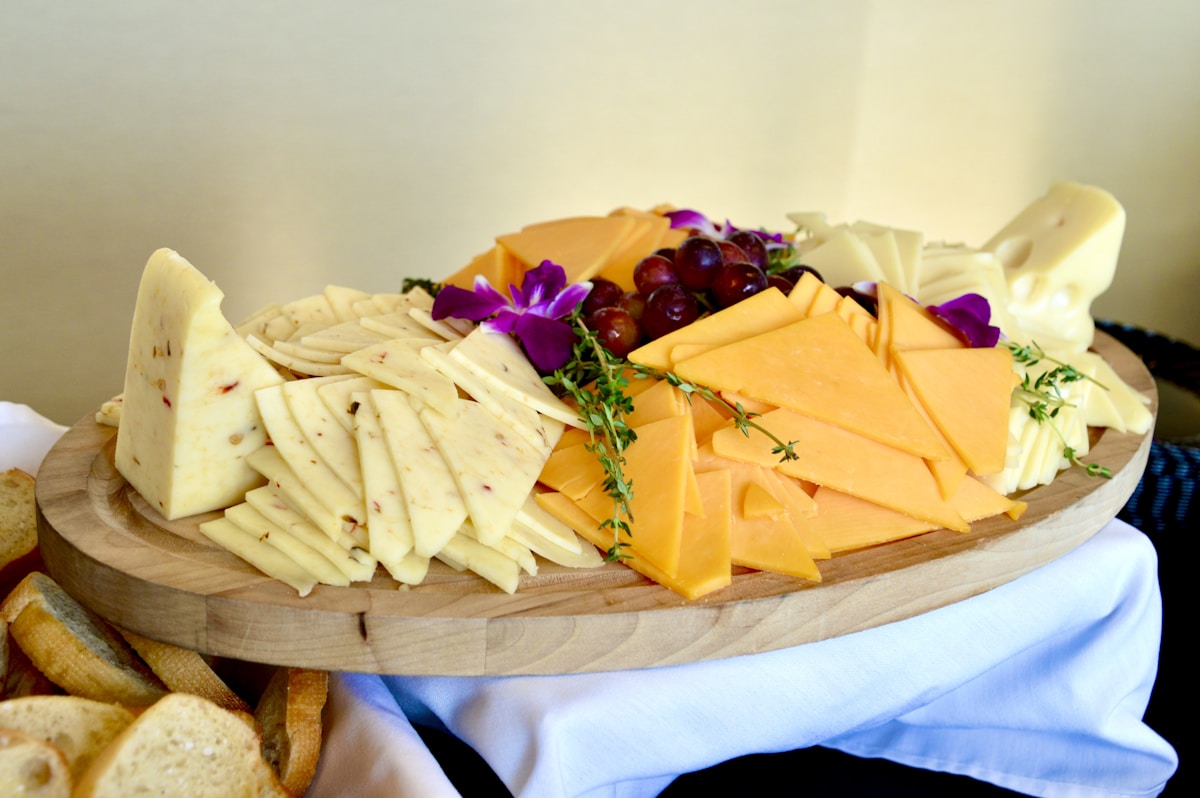
You have spent hours selecting the perfect wedges of aged gouda, creamy brie, and sharp cheddar. You have arranged clusters of grapes, figs, and artisanal crackers with care. But the moment you set your masterpiece on the buffet table, the ramp you built for visual drama starts to wobble. A wheel of camembert rolls off, taking a pile of prosciutto with it. If this scene sounds painfully familiar, you are not alone. Building a large-format cheese board that serves 50, 100, or even 1,000 guests requires structural planning far beyond a simple slab of wood. In this article, I will walk you through the engineering secrets behind a stable, stunning cheese board ramp so your next gathering becomes a story of triumph, not tragedy.
Why Structure Matters for Large Cheese Boards
When you arrange cheese for a party of 100 or more, the board is no longer just a serving vessel. It is a display piece, a conversation starter, and a logistical challenge. Think about the physics: a fully loaded board can weigh 20 to 40 pounds (9 to 18 kilograms), with the heaviest items—like whole wheels of aged gouda or large wedges of manchego—often sitting at the top of a ramp. Without proper support, gravity wins. The board shifts, the ramp collapses, and your beautifully curated selection becomes a pile of unidentifiable snacks (nobody wants that).
Professional caterers know that stability starts with the base. A flimsy cardboard box or a poorly secured wooden plank will fail under the weight of dozens of cheese wedges. Instead, aim for a foundation that is both sturdy and visually appealing. Many event chefs swear by using a solid wooden crate turned upside down, covered with cheese wrap or a clean linen cloth, then wrapped tightly with foil for a clean look. Others prefer an upturned baking sheet—ideally a heavy-duty half-sheet pan from brands like Nordic Ware—because the rolled edges provide grip for a non-slip surface. The key is to create a stable platform that can bear weight without tilting.
Choosing the Right Materials for Height and Incline
You have two main options for elevating sections of your cheese board: a tiered stand or a custom-built ramp. Tiered stands are pre-made, with stepped levels that create instant visual interest. They work wonderfully for boards that stay in one place, but they can be tricky to transport and may limit your rearranging options. Custom wooden ramps, on the other hand, offer flexibility in angle and size. You can build one yourself using a piece of plywood or a cutting board—say, a 12x18 inch (30x46 cm) rectangle—and prop it up at a gentle slope using a folded linen underneath the top edge. The slope should be no steeper than 15 to 20 degrees to prevent items from sliding. (Trust me, anything steeper invites disasters.)
For a truly stable ramp, professional caterers on Reddit recommend using a combination of materials. Start with a wooden crate or a small wooden box (think a fruit crate from a local market) turned upside down. Wrap it in cheesecloth or a clean kitchen towel, then cover the whole thing with heavy-duty aluminum foil to create a sanitary, neutral surface. Place this at the back of your board, and lean your ramp board against it. The crate provides a solid, hollow pedestal that elevates the ramp by 4 to 6 inches (10 to 15 cm). To secure the ramp, place a heavy block of cheese—like a 2-pound block of aged gouda or a wheel of parmesan—at the bottom of the ramp where it meets the board. The weight acts as an anchor, preventing the ramp from sliding forward. (Yes, really. The cheese itself becomes the stabilizer.)
Step-by-Step: Building a Ramp That Holds Up
Ready to construct your own? Here is a process that has been tested by home cooks and professional caterers alike.
-
Select a base board that is at least 18x24 inches (46x61 cm) for a crowd of 50–100 people. A larger board, like those from John Boos or Teakhaus, gives you room to work. If you do not have a dedicated cheese board, a clean wooden cutting board works beautifully.
-
Create the riser. Choose a wooden crate or a small cardboard box strong enough to hold 10 pounds without collapsing. Wrap it tightly with a clean linen napkin or cheesecloth, then cover with foil. Place the riser at the back of your board, about 2 inches (5 cm) from the edge.
-
Set your ramp board. Use a second cutting board or a piece of sturdy plywood measuring about 12x16 inches (30x40 cm). Rest one end on the riser, and let the other end touch the board two-thirds of the way forward. The ramp should create a gentle slope, not a cliff.
-
Anchor the bottom. Place the heaviest cheese you have—a block of aged gouda, a wedge of gruyere, or a whole wheel of brie—at the bottom edge of the ramp. Press it firmly so it sits flush against the ramp and the base board. This single move prevents the ramp from shifting under the weight of smaller items above.
-
Layer strategically. On the ramp itself, arrange medium-weight cheeses (like camembert or comté) and dense fruits (figs, kumquats, or dried apricots) closest to the base. Reserve lighter items—thin crackers, sliced almonds, or delicate herbs—for the upper part. This keeps the center of gravity low.
-
Fill the gaps. Use crumpled parchment paper or small ramekins of olives and chutneys to fill any empty spaces. These act as bumpers, keeping everything snug. (Your future self will thank you for this step when you see the board half-empty and nothing has moved.)
Mastering Weight Distribution for 100+ Guests
When you are serving a crowd of that size, you need to think about how people will reach the cheese. A ramp that is too high or too steep will be impossible to navigate without knocking things over. The ideal ramp height is 4 to 6 inches (10–15 cm) above the base board. This allows guests to easily slice and scoop without awkward reaches. For a truly massive board (serving 500+ people), consider building two separate ramps on opposite ends of the board, each anchored by heavy cheese. That way, guests naturally spread out, reducing traffic jams.
Another pro tip: Refrigerate your cheeses until about an hour before serving. Cold cheese releases less moisture, so it holds its shape better on the ramp. But serve at room temperature—60–68°F (15–20°C)—for optimal flavor. If you are building the board ahead of time, keep it in a cool room (not the fridge) to prevent condensation, which makes surfaces slippery. A dry board means fewer accidents.
The Kitchen Hack That Saves Every Board
You have probably seen those beautiful cheese boards in magazines with perfectly angled ramps and wondered, “How do they keep everything in place?” The secret weapon is a simple folded linen napkin. Place a heavy, folded linen (or a tea towel) under the top edge of your ramp board before adding the riser. The fabric creates friction that stops the ramp from sliding sideways. Professional caterers love this trick because it requires no glue, no tape, and no permanent modification to your wooden boards. (Trust me on this one. It works like magic.)
For the riser itself, you can also use a large, upturned cast-iron skillet if you want extra security. Lodge makes a 12-inch skillet that is heavy enough to anchor even the most ambitious ramp. Wrap the skillet in a clean cloth or cheese wrap to protect your board, then place the ramp board on top. The skillet’s weight ensures the entire structure stays put, even when a guest accidentally bumps the table.
Final Thoughts: Your Cheese Board, Elevated
Building a stable cheese board ramp is part art, part engineering. The next time you host a graduation party, wedding reception, or holiday open house, take a few extra minutes to plan your board’s architecture. Choose a solid base, anchor the ramp with heavy cheese, and always test the stability before guests arrive. You will be rewarded with a display that not only looks spectacular but withstands the chaos of a hundred hungry hands. And when someone asks how you managed to pile so much cheese without a single topple, you can smile and share the secret: a little structure goes a long way. Now go build something delicious.


