


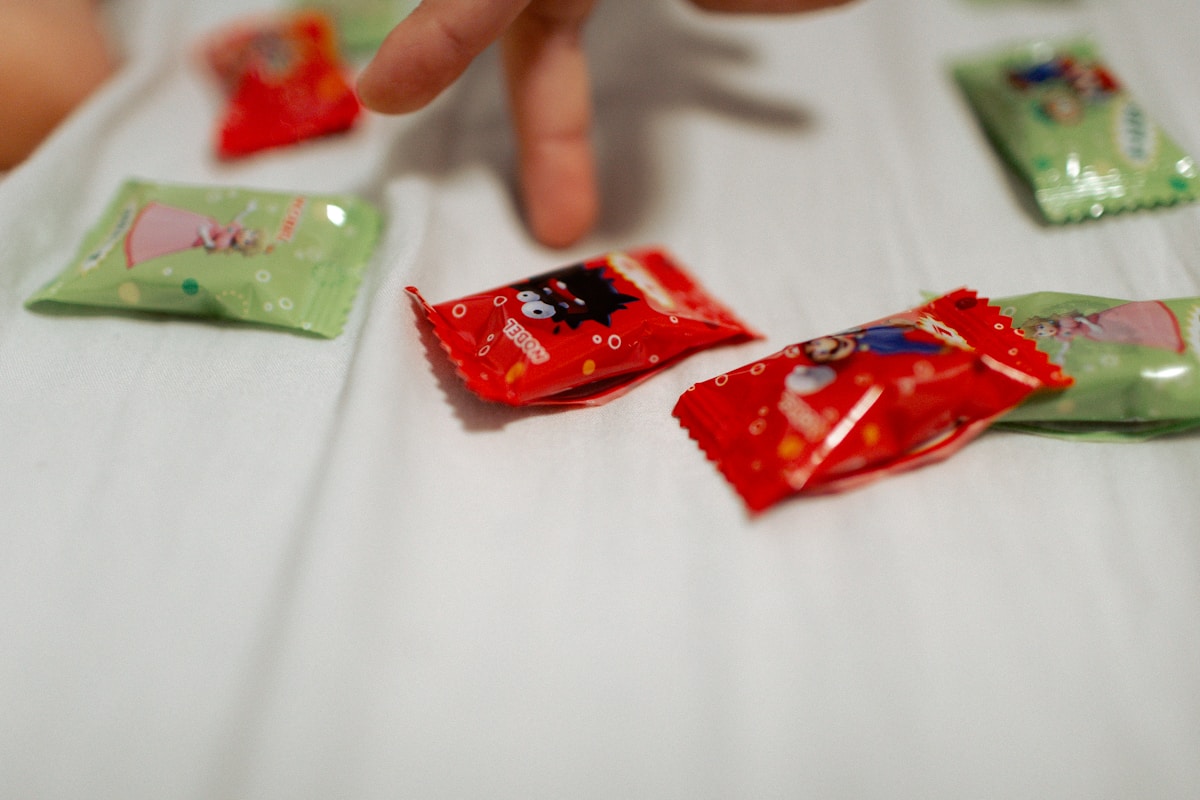
You grab a yogurt pouch from the pantry, relieved to see the word “organic” splashed across the front. Your toddler is happily sucking it down while you sip your coffee, feeling like you’ve made a decent choice. But later, you glance at the nutrition label and your heart sinks: 12 grams of added sugar. That’s almost half the American Heart Association’s daily limit for a child. If this sounds familiar, you are not alone. Many of us rely on convenient packaged snacks, but hidden sugars are lurking in products marketed as healthy or natural. Let’s pull back the curtain and learn how to spot them.
Why Hidden Sugar in Kids Snacks Is a Big Deal
The American Heart Association recommends no more than 25 grams of added sugar per day for children ages 2 to 18. That might sound like a lot, but one fruit yogurt pouch can contain 10 to 14 grams of added sugar — plus the natural sugars from milk and fruit. A single granola bar can easily add another 8 to 10 grams. Before you know it, your child has consumed more than the daily limit before lunch. The problem is that added sugars contribute to tooth decay, unhealthy weight gain, and a preference for overly sweet foods. And it’s not just the obvious candies and sodas. The FDA now requires added sugars to be listed on Nutrition Facts labels, which is helpful, but many parents don’t realize that ingredients like “evaporated cane juice,” “agave nectar,” and “fruit puree concentrate” are all forms of added sugar. Even in organic brands.
The Sneaky Names for Sugar on Ingredient Lists
Reading ingredient lists can feel like deciphering a secret code. Here are the most common aliases for added sugar you’ll find in kids snacks:
- Evaporated cane juice (this is simply sugar from sugar cane)
- Fruit juice concentrate (often used to sweeten yogurts and fruit snacks)
- Agave nectar or syrup (frequently in “natural” products but still sugar)
- Honey (yes, even honey is an added sugar — the FDA counts it)
- Brown rice syrup (common in organic granola bars)
- Coconut sugar (still sugar, just with a different name)
- Maple syrup (another “natural” sweetener that adds up)
- Maltodextrin (a carbohydrate that acts like sugar)
- Dextrose, fructose, glucose (all simple sugars)
When you see any of these near the top of the ingredient list, that product is likely high in added sugar. A good rule of thumb: if there are three or more different sweeteners listed, the product is probably a sugar bomb in disguise.
How to Choose Better Snacks at the Grocery Store
Now that you know what to look for, here’s a practical strategy for navigating the snack aisle without losing your mind.
1. Flip the package over — ignore the front-of-package claims. “Organic,” “natural,” “no high-fructose corn syrup” — these don’t tell you the full story. Turn the package around and look for the “Added Sugars” line on the Nutrition Facts label. Aim for snacks with fewer than 8 grams of added sugar per serving.
2. Compare similar products. For example, Stonyfield Organic yogurt pouches have about 9-11 grams of added sugar per pouch, while some store-brand or low-sugar options like Chobani Gimmies have only 4-5 grams. Same for granola bars: Annie’s Organic Bunny Snacks might have 7 grams, while Nature Valley Crunchy bars have 12 grams. A side-by-side comparison can save you half the sugar.
3. Watch the serving size. A bag of fruit snacks might claim “only 9 grams of sugar” but the serving size is one tiny pouch — and your child will likely eat two. That doubles the sugar intake.
4. Look for whole food swaps. Instead of granola bars, try a small apple with peanut butter. Instead of yogurt pouches, make your own simple yogurt at home and sweeten it with a little vanilla extract and mashed banana. (Seriously, it takes 5 minutes and you control everything.)
A Simple Kitchen Hack: Make Your Own Fruit and Yogurt Snack Packs
One of the best ways to eliminate hidden sugars is to make snacks yourself. Here’s a quick recipe that even a 4-year-old can help with:
DIY Yogurt Cups
- 1 cup plain whole-milk yogurt (Stonyfield or Greek yogurt works great)
- 1/2 cup fresh or frozen berries (blueberries, strawberries, or raspberries)
- 1 teaspoon vanilla extract (optional)
- A sprinkle of cinnamon
Mix everything together, spoon into small reusable containers, and pop them in the fridge. This gives you about 6-7 grams of natural sugar from the fruit and zero added sugar. Compare that to the 14 grams in a store-bought pouch. (Your future self will thank you when you realize you’ve just taught your child to enjoy real food.)
DIY Granola Bars An easy no-bake version: mash 2 ripe bananas, mix with 1.5 cups rolled oats, 1/4 cup peanut butter, and 1/4 cup chocolate chips (use dark chocolate for less sugar). Press into a pan, refrigerate for an hour, and cut into bars. Each bar has about 6 grams of sugar, mostly from the banana and a few chips.
Teaching Kids to Read Labels Too
Get your kids involved in the treasure hunt. Show them the “Added Sugars” line and make it a game: “Let’s find a snack with less than 10 grams!” Older kids can help compare two different granola bars and decide which has less sugar. This builds lifelong skills and makes them more conscious eaters. Plus, they’ll feel proud when they spot “evaporated cane juice” on a label. (Trust me, my own 7-year-old now points it out at the store.)
A Note on Front-of-Package Claims
It’s easy to get tricked by terms like “made with real fruit” or “whole grain” — but those don’t mean low sugar. A product can be made with real fruit and still have added juice concentrate or cane sugar. The FDA is working on updating front-of-package labeling, but for now, the ingredient list is your best friend. Another tip: check the grams of fiber per serving. A snack with at least 2 grams of fiber is likely more filling and less likely to be a sugar spike.
Realistic Expectations for Tired Parents
Let’s be honest: you’re not going to eliminate all packaged snacks from your pantry, nor should you. Sometimes you need something quick when you’re rushing to soccer practice or dealing with a meltdown. The goal isn’t perfection — it’s awareness. Keep a few lower-sugar options on hand, like plain popcorn, cheese sticks, or those no-added-sugar apple sauce pouches. And when you do buy the sweeter stuff, just serve smaller portions. One of my go-to tricks is to cut a granola bar in half and pair it with a handful of almonds or a piece of fruit. That way, the sugar load is spread out and my child gets more nutrients.
Final Thoughts
Hidden sugars are everywhere, but armed with a little knowledge, you can make smarter choices for your family. Remember: the ingredient list reveals all. Look for fewer than 8 grams of added sugar per serving, watch out for the sneaky names, and don’t be afraid to DIY when you have a few extra minutes. Your kids are worth the extra 30 seconds it takes to flip the package over. And hey, you’re doing great. The kitchen is a messy place, but it’s also where we grow together — one label at a time.
Beatrice is a mom, home cook, and contributor to Kitchen-Fun.com, where she believes every family can find joy in cooking together.


