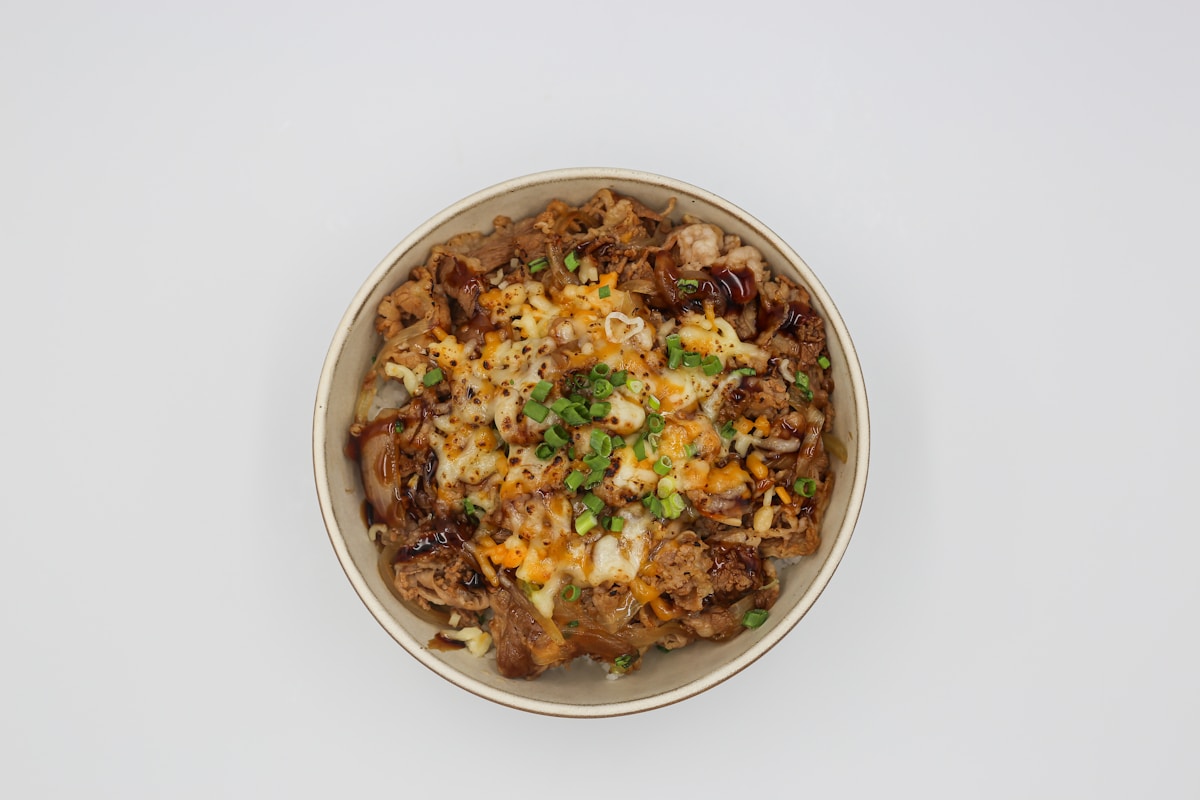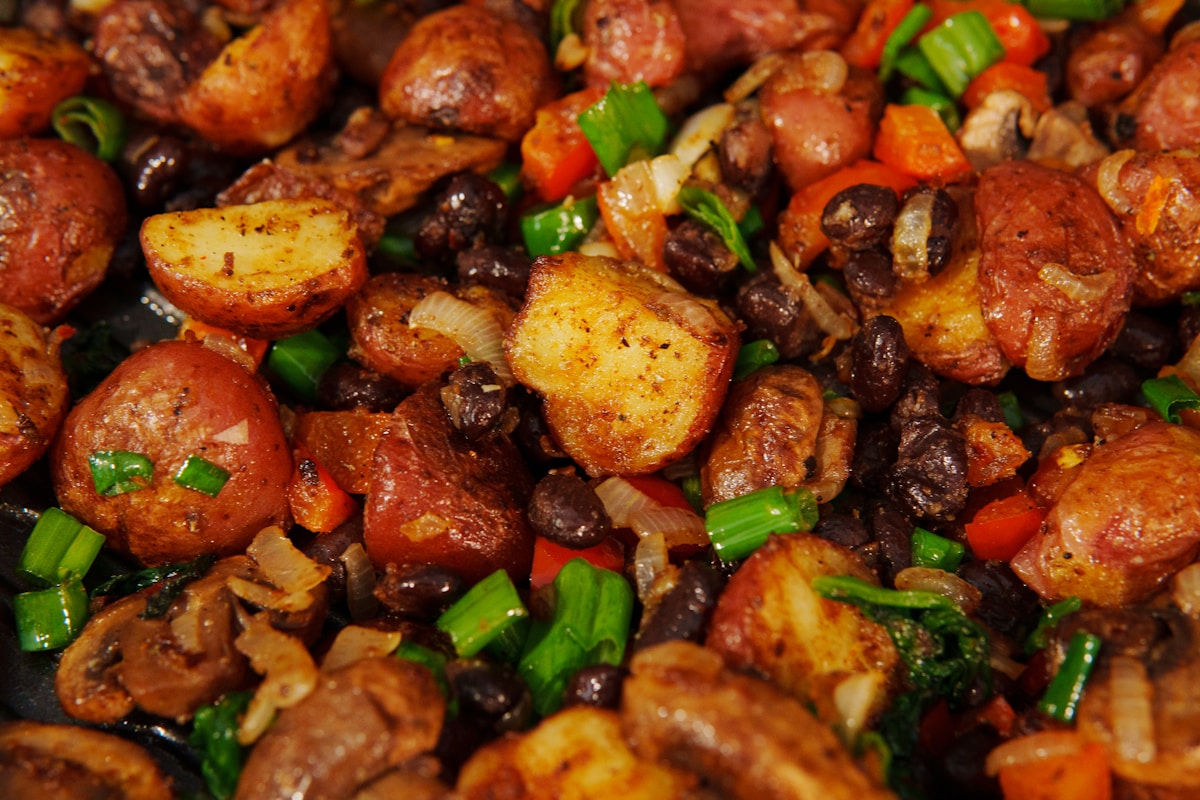
It is 5:30, everyone is hungry, and the pantry offers one box of stuffing, a package of sausage, and a bag of frozen peas. That is enough for a warm, filling sausage stuffing dinner without a long grocery list.
The basic method is simple: brown the sausage, prepare the boxed stuffing according to its package, add a vegetable, and combine everything. Keep it soft and savory in one skillet, or bake it for crisp edges and a browned top.
Key Takeaways
- Build this flexible meal with sausage, boxed stuffing, one vegetable, and optional cheese.
- Drain excess sausage fat, but a light coating can flavor onions and vegetables.
- Follow the stuffing package for its starting liquid amount, then adjust gradually if needed.
- Use the stovetop for the fastest meal or bake the mixture for a crisp-topped casserole.
- Refrigerate cooked leftovers within 2 hours, use them within 3 to 4 days, and reheat to 165°F.
The easy sausage stuffing dinner formula
Think of this as a flexible formula rather than one strict recipe:
- 1 pound ground sausage, or 12 to 16 ounces sausage removed from casings
- 1 box stuffing mix, prepared according to package directions
- 1 small diced onion, if available
- 1 to 2 cups vegetables
- Optional 1/2 to 1 cup shredded cheese
This usually makes a family dinner when served with a simple side. Portions depend on the size of the stuffing box, how many vegetables you add, and whether you serve fruit, salad, or another side dish.
Sausage adds savory flavor, while boxed stuffing makes the meal filling. Vegetables add color, texture, and volume, helping a modest amount of meat stretch into a budget pantry dinner.
Breakfast sausage gives the dish a familiar, cozy flavor. Italian sausage brings pepper and herbs. Turkey sausage can be a lighter option, but it may release less fat, so do not assume the pan drippings will replace every bit of fat called for on the stuffing package.
Make the one-pan sausage and stuffing skillet
A one-pan sausage stuffing meal comes together most easily in a large, deep skillet with a lid. Read the stuffing package first so you know its suggested liquid and fat amounts.
-
Heat the skillet over medium to medium-high heat. Add the sausage and break it into small crumbles with a spoon or spatula. Add onion once the sausage begins to render some fat.
-
Cook the sausage thoroughly. Use a food thermometer rather than color alone: ground pork, beef, veal, and lamb sausage should reach 160°F, while ground poultry sausage should reach 165°F. Follow package instructions if they are more specific for your product.
-
Check the pan drippings. A light glossy coating is useful for softening onion, celery, mushrooms, or peppers. If there is a large pool of grease, carefully spoon off or drain some before continuing. The goal is flavor without an oily finished dish.
-
Add fresh vegetables based on how much cooking they need. Cook celery, bell pepper, mushrooms, or shredded cabbage for several minutes until tender enough for your family. Add spinach at the end, just until wilted.
-
Stir frozen vegetables into the hot skillet near the end of cooking. Peas, corn, green beans, and mixed vegetables need only enough time to heat through. Drain canned vegetables well and fold them in after the stuffing is prepared so they do not water down the mixture.
-
Prepare the stuffing with the liquid and fat amounts listed on its package. If your skillet is large enough, make it directly in the pan after removing excess grease. Otherwise, prepare it in a bowl or saucepan, then fold in the sausage and vegetables.
-
Fold gently rather than stirring aggressively. Stuffing cubes can break down if they are mashed. Let the mixture stand for a few minutes after adding liquid so the bread has time to absorb it.
For a soft skillet dinner, cover the pan for 3 to 5 minutes after combining everything. For a drier finish, leave it uncovered for a few minutes, stirring gently once or twice so excess steam can escape.
If the stuffing looks dry, add warm water or broth 1 tablespoon at a time. Wait a minute or two before adding more because the cubes need time to hydrate. If it looks wet, leave the lid off and let moisture cook away gradually instead of adding more dry stuffing right away.
Choose a soft stovetop meal or crisp-topped sausage stuffing casserole
The stovetop version is best when dinner needs to happen quickly. It has a softer, moister texture and creates fewer dishes. It is also easier to adjust when one stuffing brand absorbs more liquid than another.
For a baked ground sausage stuffing casserole, prepare the sausage, vegetables, and stuffing as above. Transfer the mixture to a lightly greased baking dish. A 2-quart dish is often a good fit for a standard box of stuffing and about 1 pound of sausage.
Add cheese only if you want it. Try 1/2 cup cheddar, mozzarella, Monterey Jack, or a light sprinkle of Parmesan-style cheese. Sausage and stuffing mixes can both be salty, so a modest layer is usually enough.
Bake at 375°F until the top is browned and the casserole is hot throughout, usually about 20 to 25 minutes for a freshly assembled dish. A casserole made ahead or chilled before baking may need longer. If serving leftovers, reheat the center to 165°F.
Baking is a texture choice, not a requirement. Choose the skillet for the quickest sausage stuffing dinner and a soft texture. Choose the oven for crisp edges, a browned top, or melted cheese.
Swap what you have for vegetables, cheese, and flavor
This is one of those boxed stuffing meal ideas that works well because the add-ins can change every time. Use one vegetable or combine smaller amounts of several.
For a sausage and peas dinner, use 1 to 2 cups frozen peas. Stir them into the skillet after the sausage is cooked, then combine with the prepared stuffing. Their mild sweetness balances savory breakfast sausage especially well.
Other easy choices include:
- Drained canned green beans or corn
- Frozen mixed vegetables
- Fresh diced celery and onion
- Sliced mushrooms
- Diced bell pepper
- A few handfuls of spinach
- Shredded cabbage, cooked until tender
Fresh vegetables need time in the skillet before the stuffing goes in. Frozen vegetables need only warming. Canned vegetables should be drained thoroughly because their extra liquid can make stuffing soggy.
Cheese is optional. Cheddar offers a stronger flavor, mozzarella is mild and melty, and Monterey Jack is an easy middle ground. Skip cheese if the sausage is highly seasoned, the stuffing mix tastes salty, or your family prefers a simpler meal.
Taste the combined mixture before adding salt. Stuffing mixes often contain salt, herbs, and savory seasoning, and sausage styles vary widely. Black pepper, dried sage, poultry seasoning, garlic powder, or a small splash of broth can improve flavor without making the dish too salty.
Stretch this budget pantry dinner into more portions
Cheap sausage dinner ideas work best when the main dish is filling but does not have to carry the whole plate. Add an inexpensive side and let the sausage-and-stuffing mixture be the warm centerpiece.
Good pairings include a simple green salad, applesauce, canned fruit, roasted carrots, steamed broccoli, or sliced apples. Adding another vegetable to the skillet can also stretch the meal without another package of meat.
Avoid stretching the dish by pouring in lots of extra broth. Too much liquid can make the stuffing heavy and mushy. It is usually better to add vegetables, serve moderate scoops, or offer a side.
Leftovers can become another meal:
- Spoon the mixture into halved bell peppers and bake until the peppers are tender.
- Crisp leftovers in a skillet and top with eggs for a breakfast-style hash.
- Reheat a bowlful with a small splash of water or broth, then add a fried egg.
- Use it as a filling for baked potatoes or wraps if the texture is firm enough.
Keep the sausage stuffing dinner from turning greasy, soggy, or salty
A few small checks make a big difference.
Greasy: Sausage fat varies. If there is more than a light coating in the skillet after browning, remove some before continuing. Do not automatically add butter or oil just because the stuffing package calls for it; first consider how much fat remains and whether the package allows an adjustment.
Soggy: Drain canned vegetables thoroughly. Start with the package liquid amount, and do not add extra broth until the stuffing has rested and absorbed what is already there. If it still seems wet, uncover the skillet or bake the mixture briefly to dry the surface.
Dry: Add warm water or broth 1 tablespoon at a time, folding gently. Rest the mixture for a few minutes before deciding it needs more liquid.
Too salty: Use low-sodium broth when appropriate, add unsalted vegetables, skip extra salt until tasting, and go easy on salty cheese. Plain vegetables, fruit, or salad can help balance a strongly seasoned meal.
Bland: Brown the sausage well, soften onion in the drippings, and add pepper or herbs. Building flavor this way is more reliable than adding extra salt at the end.
Store, reheat, and use leftovers safely
Treat this as a perishable cooked sausage meal. Refrigerate leftovers within 2 hours rather than leaving the skillet on the counter. Divide the food into shallow containers so it cools more quickly.
Keep refrigerated leftovers for 3 to 4 days. If you will not use them in that time, freeze portions in well-sealed containers. Labeling containers with the date makes busy-night dinners easier to manage.
Reheat leftovers until they reach 165°F in the center. A covered skillet with a small splash of water or broth helps restore moisture. You can also use a covered baking dish or microwave, stirring or rearranging portions as needed so the food heats evenly.
For a crispier leftover version, warm the mixture through first, then uncover it in a skillet or baking dish for a few minutes. Do not rely on a browned surface alone to judge whether the middle is hot.
FAQ: Can I make sausage and boxed stuffing without an oven?
Yes. Brown the sausage, cook any fresh vegetables, prepare the stuffing according to its package, and fold everything together in a covered skillet. Covering the pan briefly creates a softer, steam-finished result.
For a drier, lightly crisped bottom, keep the skillet uncovered after the stuffing absorbs its liquid. Let it sit over low heat for a few minutes, watching closely so the bottom does not scorch.
FAQ: Should I use the sausage drippings in boxed stuffing?
Use a small amount if the skillet has only a light coating of fat and you want to cook onion or vegetables in it. It adds flavor and may mean you do not need additional oil for the vegetables.
If the sausage leaves a large pool of grease, remove some first. Too much rendered fat can make boxed stuffing heavy and oily, especially if the package also calls for butter or another fat.
FAQ: What vegetables go with sausage and stuffing?
Peas, green beans, corn, onion, celery, mushrooms, bell pepper, spinach, cabbage, and frozen mixed vegetables all work well. Cook firm fresh vegetables first, warm frozen vegetables near the end, and drain canned vegetables before folding them in.
When in doubt, choose one vegetable your family already likes. A familiar add-in can make this simple sausage stuffing dinner more appealing for picky eaters.