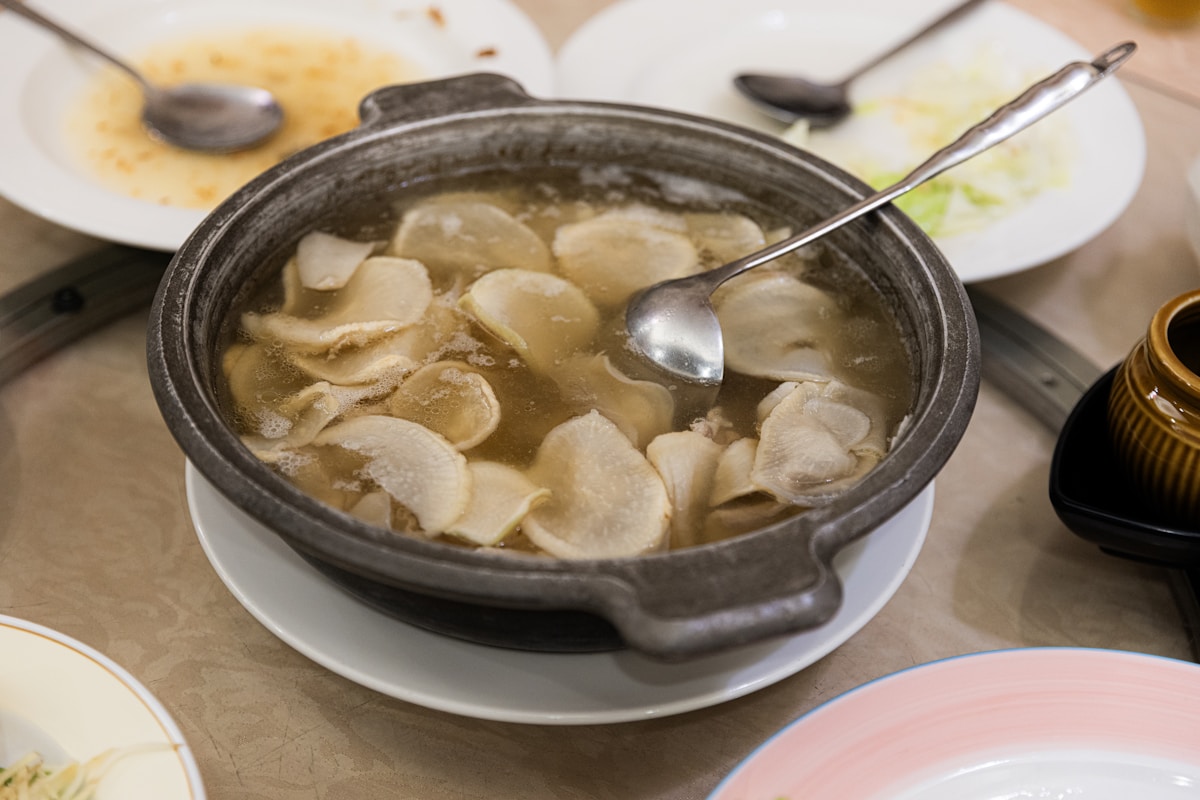
The Great Soup Debate
You’re standing in the kitchen, a pot of water on the stove, a box of broth in your hand, and Grandma’s handwritten soup recipe on the counter. The recipe says “add 4 cups of water.” But a little voice whispers: “Broth has more flavor. Why wouldn’t I use it all?” That’s exactly the debate that erupted on Reddit’s r/Cooking not long ago — one home cook versus their mother, tradition versus the quest for deeper taste. If you’ve ever wondered whether you can swap every drop of water for broth, you’re not alone. And the answer is both simple and nuanced.
Let’s dive into the science, the flavor, and the practical tips that will make your next pot of soup the best you’ve ever made.
When It Works and When It Doesn’t
Using all broth instead of water can transform a soup from flat to fantastic — but only in the right circumstances. For hearty soups like beef stew, lentil soup, or minestrone, full broth replacement often works beautifully because these soups have robust ingredients that can handle concentrated flavor. A rich, homemade chicken stock can elevate a simple vegetable soup into something crave-worthy.
But for delicate soups — think clear consommés, light vegetable broths, or creamy bisques — swapping all water for broth might overwhelm the subtle flavors. A delicate potato leek soup, for example, can taste muddy if the broth is too strong. Similarly, soups that rely on the natural sweetness of vegetables, like a summer corn chowder, may become one-dimensional with heavy broth.
The key is to match the broth intensity to the soup’s personality. A good rule of thumb: if the soup has strong flavors (beef, beans, roasted tomatoes), all broth is fair game. If it’s light and fresh, keep some water in the mix.
The Science of Flavor Concentration and Salt
Here’s where things get tricky. Broth — whether store-bought or homemade — contains salt. And salt is a flavor enhancer, not just a seasoning. When you replace all the water with broth, you’re adding a concentrated dose of sodium and other flavor compounds. For store-bought broths, the sodium content can vary wildly. A cup of Swanson low-sodium chicken broth has about 140 mg of sodium, while regular Swanson has around 860 mg per cup. If you use four cups of regular broth where the recipe called for water, you’ve just dumped 3,440 mg of sodium into your soup — that’s nearly a day and a half’s worth of salt in one pot. Your soup will likely taste like a salt lick.
Homemade broth is a different story. Because you control the salt, homemade broth tends to be more concentrated in gelatin and natural flavors but typically lower in sodium (unless you salt it heavily). America’s Test Kitchen recommends reserving at least one cup of water to adjust consistency and salt level after the broth simmers away. This is a pro move: start with half broth and half water, then taste and adjust near the end.
Temperature matters, too. When simmering soup at a gentle 180°F (82°C), liquid evaporates, concentrating flavors and salt. If you begin with all broth, you might end up with an overly salty, thick mess. That’s why many professional chefs start with a mix and let the soup tell them what it needs.
How to Prevent Over-Seasoning
So how do you get that deep, satisfying broth flavor without ruining dinner? Follow these steps:
-
Read your broth label. Look for “low-sodium” or “no salt added” varieties. Swanson, Kitchen Basics, and Pacific Foods all offer low-sodium options that give you control. If you only have regular broth, dilute it with at least 25-30% water.
-
Start with a 50/50 blend. Replace half the water with broth. This gives you a solid base without overwhelming the soup. You can always add more broth later, but you can’t take salt out. (Well, you can toss in a raw potato to absorb some salt, but that’s a last-minute hack — not a strategy.)
-
Salt after cooking. Wait until the soup has simmered for at least 20 minutes before adding any extra salt. The flavors concentrate over time, and broth already contributes salt. Taste first, then season.
-
Use a reverse method for thin soups. If you’re making a noodle soup or a light chicken noodle, cook the noodles separately in water and add them to the broth base. This prevents the noodles from absorbing too much salted broth and becoming mushy.
-
Keep some water on hand. Before serving, if the soup tastes too salty or the flavor is too heavy, stir in a splash of plain water. It’s amazing how a quarter cup can brighten everything.
Pro Tips for Perfect Soup Every Time
Now that you understand the balance, here are some real-world tricks to make your soup sing:
-
Brown your bones first. If you’re making homemade stock, roast chicken bones or beef shanks at 400°F (200°C) for 30 minutes before simmering. This adds a deep, rich flavor that store-bought broth can’t match. Then you can confidently use your own broth as a full replacement because you control the salt and intensity.
-
Use a KitchenAid immersion blender for creamy soups. After simmering vegetables in a mix of broth and water, blend directly in the pot. The water helps achieve the right consistency — too much broth can make a pureed soup taste overly savory.
-
Try store-bought broth enhancers. Products like Better Than Bouillon paste concentrate are incredibly convenient. Dissolve a teaspoon in hot water to make a cup of broth. Because you mix it yourself, you can easily make it half-strength by using half the recommended amount of paste. It’s a game-changer for beginners (and pros).
-
Add an acid at the end. A squeeze of lemon juice or a splash of vinegar can cut through heavy broth flavors and balance the salt. This is especially helpful if you accidentally used too much broth and the soup tastes flat or one-note.
-
Remember the power of umami. Mushrooms, soy sauce, tomato paste, or a Parmesan rind can boost broth flavor without relying on salt. If you’re using water instead of broth, these additions can create a depth that rivals any stock.
Grandma Wasn’t Wrong
Your grandmother’s recipe probably called for water for a reason. She might have been working with limited ingredients, or perhaps she wanted the natural flavors of her vegetables and meat to shine through. Water is a blank canvas — it allows the soup’s ingredients to speak for themselves. Broth is an artist’s color, adding its own personality. The best soups often use both.
So next time you’re torn between family tradition and your instinct for more flavor, compromise. Start with half water and half broth. Taste as you go. Adjust at the end. You’ll get the best of both worlds: a soup that honors the past and satisfies your contemporary palate.
Try This Tonight: The Perfect Compromise Soup
Make a simple chicken noodle soup: Sauté onions, carrots, and celery in a tablespoon of olive oil until softened. Add 4 cups of low-sodium chicken broth and 2 cups of water. Toss in a bay leaf, a sprig of thyme, and a pinch of black pepper. Bring to a gentle simmer (about 180°F/82°C) and let it go for 15 minutes. Shred leftover cooked chicken, add it along with 2 cups of cooked egg noodles, and heat through. Taste — you’ll notice the broth is present but not overpowering. Add a squeeze of lemon, and you’ve got a bowl of comfort that’s balanced, chicken-friendly, and deeply satisfying. Your grandmother would be proud.