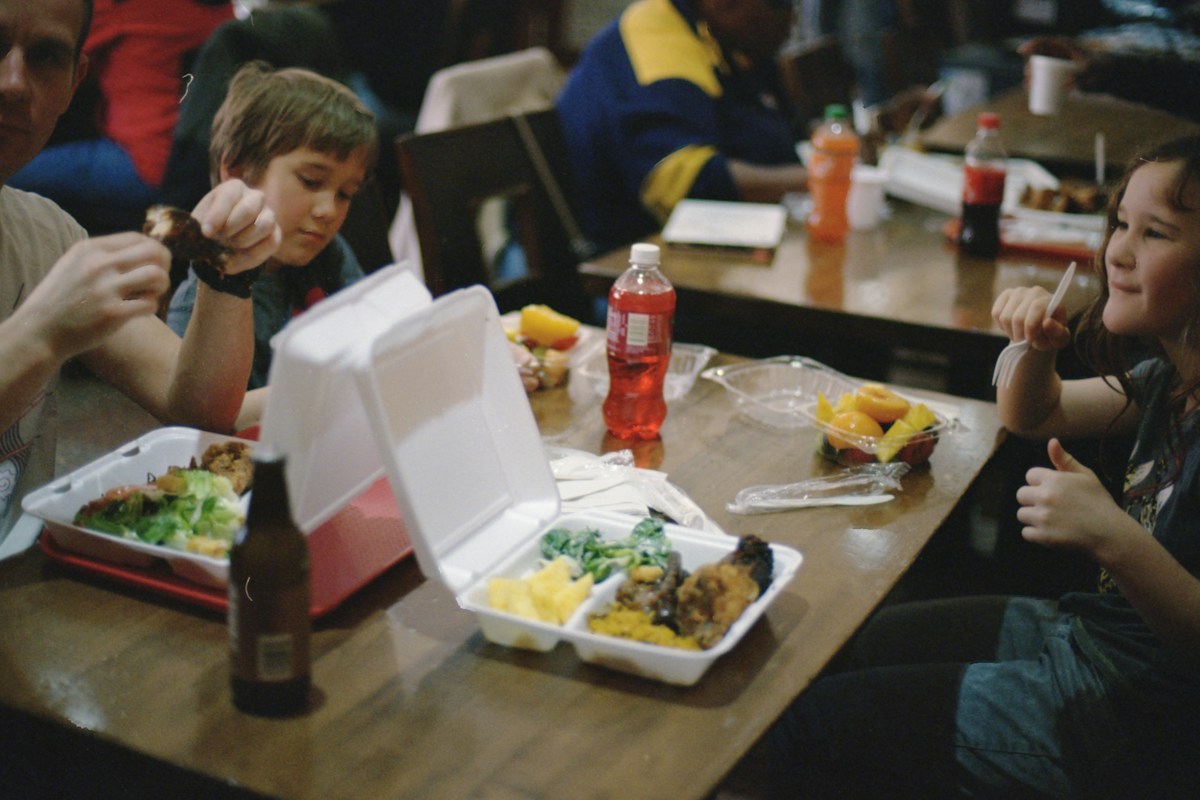
The lunch box lands on the kitchen counter, and out come the familiar discoveries: a browned apple, two bites of sandwich, untouched cucumber, and the pizza crust your child suddenly rejected. Before you eat the leftovers yourself or send everything to the bin, try a calmer system.
The most useful way to reduce lunch food waste is to observe what happens for one week, pack smaller amounts of uncertain foods, protect textures, and treat returned food as information rather than misbehavior. A child may reject lunch because the portion felt too large, the bread became soggy, the food was too warm, or the appearance changed—not because they will never eat that food again.
Key Takeaways
- Track untouched, partly eaten, and texture- or temperature-related leftovers for five school days.
- Pack a small portion of uncertain foods alongside at least one dependable item.
- Keep wet and dry foods separate to prevent soggy sandwiches and soft, unappealing textures.
- Save returned food only when its handling, storage, time, and temperature are known to be appropriate.
- Respond without shame or pressure: returned food is useful information, not a behavior problem.
Start With a One-Week Lunch Waste Audit
For five school days, record what comes home without criticizing your child or asking them to defend every bite. A note on your phone or a paper beside the lunch-packing area is enough.
Use five columns:
- Food packed
- Approximate amount packed
- Amount returned
- Condition when it came home
- The child’s neutral explanation, if they offer one
Sort returned foods into three groups: untouched, partly eaten, and rejected because of a noticeable problem. A problem might be browning, sogginess, temperature, a strong smell from mixed foods, difficult packaging, or a food that became hard to manage.
For example, “Half a sandwich returned—bread damp near filling—said it was mushy” gives you a more useful clue than “doesn’t like sandwiches.” Likewise, “All apple slices returned—brown on the edges—said they looked weird” points toward a preparation issue rather than a permanent dislike.
Look for patterns before removing a food from your school lunch planning. One uneaten lunch can reflect a busy day, a short eating period, a changed preference, or a child who was not hungry. If the same food returns several times in the same form, try changing the portion, container, temperature, or preparation before deciding whether it belongs in the regular rotation.
The audit is not a scorecard. You are gathering practical information, not grading your child’s eating. A helpful question is, “What made that hard to eat today?” Avoid questions such as, “Why didn’t you finish?” or “How could you waste that?”
Pack Smaller Portions Without Making Lunch Feel Inadequate
A large portion of a food your child may or may not eat creates waste before lunch begins. To prevent food waste, pack a small trial portion of the uncertain item and include one dependable food alongside it.
A dependable food might be familiar bread, rice, pasta, yogurt, cheese, fruit, or another item your child usually accepts. The exact choice depends on your child’s diet, school rules, allergies, and medical needs. The goal is not to fill the box with only favorite foods; it is to avoid making every lunch depend on a new or unpredictable item being accepted.
Child-sized containers can make a modest amount look intentional rather than insufficient. Try a few apple slices instead of a whole cut apple, one small piece of a new vegetable instead of a large handful, or half a sandwich with the remaining ingredients packed separately. A divided lunch box can help, but small lidded cups work just as well.
Increase a portion only after you see a consistent pattern of eating it. If four cucumber slices disappear several times, add a few more next time. If most of a full serving returns, reduce it and use the audit to decide whether the problem was quantity or something else.
Smaller portions should never be presented as a punishment or a test the child must pass. You can say, “I’m packing a little of this so you can decide whether you want it today.” That gives your child an opportunity to eat without creating a requirement to finish.
For picky eater lunch ideas, build from familiar components. One combination might be a dependable starch, a small fruit or vegetable portion, and a protein option your child usually manages. Another day, keep the same dependable item but change only one part, such as the fruit shape or sandwich filling. Changing one variable makes it easier to learn what helped.
Portions vary with age, appetite, activity, dietary needs, and the time available at school. There is no universal lunch-box amount. If you have concerns about growth, nutrition, allergies, or restricted eating, ask a qualified health professional for individualized guidance.
Prevent Browning, Sogginess, and Texture Rejection
Many lunch-box problems are texture problems, not broad food dislikes. Packing wet and dry foods separately is often the simplest improvement.
Use divided containers, small lidded cups, or separate wraps for foods that release moisture. Keep sandwich fillings away from bread when practical, or place a dry barrier between a moist filling and the bread. Pack crackers, cereal, or dry vegetables away from dips and juicy fruit so they remain crisp.
For sandwiches, consider packing the filling separately when your child is comfortable assembling food at school and the school routine allows it. You can also use less wet filling, place lettuce or another suitable barrier between ingredients, or choose bread that holds up better. Test the method at home before relying on it for a busy school morning.
Cut apples shortly before packing when possible, handle them gently, and choose a variety or shape your child is more likely to eat. Browning is an appearance change and does not automatically mean an apple is spoiled, but it is understandable if a child rejects food that looks different. Follow current food-safety guidance for storing cut fruit, and discard it if its condition is questionable.
Other practical fixes include:
- Pack foods that bruise easily in a firm container rather than a soft, crowded bag.
- Handle hot foods according to safe food-storage practices before packing them.
- Use an appropriate insulated container when the lunch plan requires temperature control, following the container and food-safety instructions.
- Ask whether your child prefers a food chilled, at room temperature, or warm when the school setup permits a choice.
- Cut vegetables into an age-appropriate shape and size, but do not assume cutting them smaller will solve every rejection.
For rejected pizza crusts, ask whether the crust was too hard, cold, chewy, or simply unnecessary because your child was satisfied with the topping. You might pack a smaller piece, choose a softer preparation, or leave the crust out if it is consistently returned. For vegetables that come home untouched, offer a very small amount in a separate compartment and ask which form feels easiest to eat.
A useful question is, “Would you prefer this separate, softer, colder, or in a smaller piece?” Your child may not know the answer immediately, and they do not need to design every lunch. Their observations can still point you toward one small change.
Decide Which Kids’ Lunch Leftovers Can Be Saved
Returned food needs a safety check, not an automatic rescue plan. Whether kids’ lunch leftovers can be saved depends on the specific food, how it was handled, how long it was out, its temperature, whether it was touched or bitten, and whether safe storage conditions can be confirmed.
Separate foods into practical categories:
- Clearly untouched and separately packaged: These may be candidates for saving only when you can confirm that the food was kept and handled according to current food-safety guidance.
- Partly eaten, bitten, or handled extensively: Do not routinely save these foods for someone else. Do not eat a child’s partly eaten food simply to keep it out of the bin.
- Mixed, leaking, crushed, or contaminated: Discard when safe handling cannot be confirmed or when the food’s condition is questionable.
- Perishable foods exposed to uncertain temperatures: Use extra caution. Appearance and smell alone cannot confirm safety.
For any food you consider storing, use a clean container and refrigerate it promptly only when the handling and storage conditions are consistent with current USDA Food Safety and Inspection Service or FDA guidance. Consult current guidance for perishable foods, refrigeration, time and temperature limits, and repacking. When you cannot confirm safe handling, throwing the food away is safer than trying to rescue it.
Do not rely on an unusual smell or appearance as the only test, and do not assume a food is safe because it looks normal. A lunch box that remained warm for an unknown period deserves particular caution. Follow the school’s rules about returning, sharing, or redistributing food; never send food to a communal sharing area without checking the policy and allergy procedures.
Allergy and choking caution: Follow your child’s medical plan, school policy, package labels, and clinician guidance. Do not recommend sharing food when allergies are involved. Choose age-appropriate forms for foods that may present choking concerns, such as whole grapes, hard raw produce, nuts, popcorn, or other foods identified by current pediatric guidance. Prepare and cut foods according to your child’s age and abilities, and supervise eating as appropriate.
Suitable, safely handled ingredients can sometimes become part of a planned family meal. For example, an unopened, properly stored portion of fruit might be offered at home, or a separately packed ingredient might be used in a family snack. Do not disguise a rejected food or pressure your child to eat it. Reuse is meant to reduce waste, not remove the child’s choice.
Build a Low-Pressure School Lunch Planning Routine
Once you have a week of observations, choose one change to test. Changing everything at once makes it difficult to know what worked and can make lunch feel unpredictable.
Create a short rotation of reliable components rather than a different recipe every day. For example:
- Monday: familiar sandwich or wrap, small fruit portion, optional crunchy item
- Tuesday: dependable pasta or rice, small vegetable portion, familiar protein
- Wednesday: repeat the most successful lunch with one small variation
- Thursday: familiar main item, fruit prepared in the preferred shape, separate dip if allowed
- Friday: a low-effort favorite or planned use of suitable ingredients from home
This is a framework, not a fixed menu. Substitute foods according to allergies, dietary requirements, school rules, culture, and your child’s preferences. Keeping one dependable item can reduce pressure on the rest of the lunch.
Before packing, ask four quick questions: What is the reliable item? Is the portion realistic? Which foods need to stay separate? Is the optional item small enough that returning it will not create much waste?
Review the waste audit once a week and make one adjustment. If apples are returned because of browning, change the preparation before removing apples entirely. If the sandwich is eaten but the large side returns, reduce the side. If your child reports not having enough time, use easier-to-open packages and discuss the practical issue with the school when appropriate.
Invite your child to help with small tasks such as choosing between two fruits, filling a small container, placing dry foods in a compartment, or checking that the lunch box opens easily. Participation can improve the fit of the lunch without making the child responsible for preventing all waste.
When food comes home, keep your response neutral: “I see the carrots came back. Were they too hard, too cold, or not what you wanted today?” If the answer is simply “I didn’t want them,” accept it. You can offer the food another time without insisting on a bite or making your child feel guilty.
The aim is not a perfectly empty lunch box. The aim is a flexible routine that sends realistic portions, protects the textures your child notices, and learns from returned food while preserving autonomy.
FAQ
How small should a child’s school lunch portions be?
Start with an amount your child can realistically manage within the available lunch period, especially for foods that are new or inconsistently accepted. Adjust from your observations and your child’s appetite rather than using a universal serving size. Age, activity, dietary needs, school schedule, and eating pattern all matter.
Is it safe to save food that comes back in a lunch box?
It depends on the food, handling, exposure, time, temperature, and storage conditions. Untouched food that was kept safely may be treated differently from food that was bitten, mixed, or left warm, but there is no visual shortcut that guarantees safety. Use current USDA or FDA guidance, follow school policy, and discard food when safe handling cannot be confirmed.
How can I reduce lunch food waste without pressuring my child to eat?
Pack smaller portions, include one reliable food, separate wet and dry items, and ask about texture, temperature, and packaging. Treat returned food as information rather than misbehavior. Children should not be shamed or forced to finish lunch.
How can I tell whether my child dislikes a food or was given too much?
Compare the amount returned with the amount packed and look for repeated patterns. If a small portion is eaten but a larger portion returns, quantity may be part of the problem. If the food returns untouched only when it is soggy, browned, cold, or mixed with another ingredient, preparation may matter more than the food itself.
How can I reuse suitable lunch ingredients safely at home?
Only consider reuse when the food was handled, stored, and protected in a way consistent with current food-safety guidance. Keep clearly untouched foods separate from bitten or heavily handled foods, refrigerate promptly when appropriate, and do not rely only on smell or appearance. Never reuse food simply because you feel obligated to prevent waste.
How can our family create a reliable lunch rotation?
Choose a few dependable mains, fruits or vegetables, and protein options. Repeat successful combinations, test only one small change at a time, and keep optional foods in modest portions. Review the rotation weekly and fix preparation problems before removing a food completely.