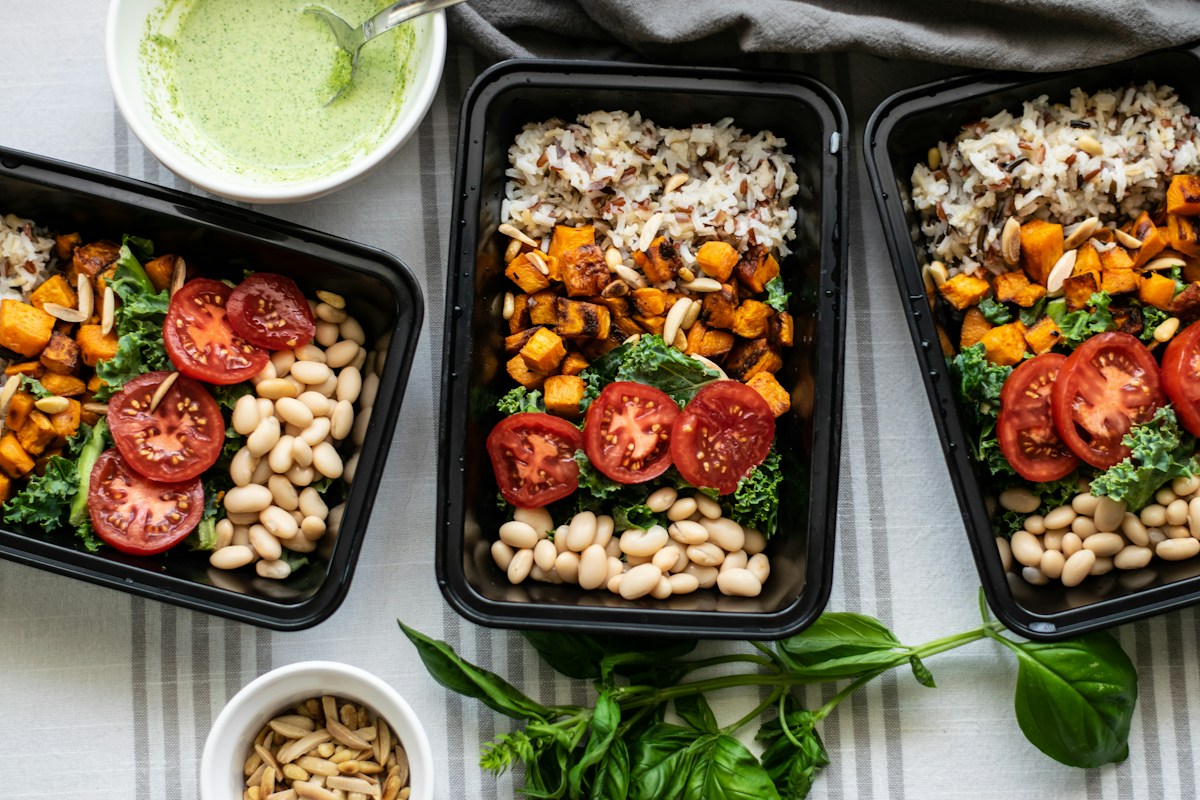
Dinner is already late, everyone is hungry, and the meal you planned is no longer possible. For families managing food allergies or other dietary restrictions, ordering takeout or improvising from random ingredients may not be a dependable option.
The answer is not a freezer packed with dozens of recipes. A small rotation of quick make-ahead family meals is often more useful: cooked proteins, a starch, vegetables, and sauces that can be mixed into several dinners. With careful labeling, safe storage, and the right reheating method, a few prepared components can turn a difficult evening into a manageable one.
Key takeaways
- Build a flexible rotation from proteins, starches, vegetables, and sauces instead of relying on one complete recipe.
- Check every packaged ingredient and preparation surface for your household’s known dietary restrictions and cross-contact risks.
- Portion meals into consistent containers, label them clearly, and separate near-term refrigerator portions from freezer portions.
- Reheat dense foods in stages with suitable moisture, then add fresh or crunchy toppings after heating.
- Use current USDA or FDA guidance for cooling, storage, thawing, and reheating decisions.
Build a small emergency meal rotation instead of relying on one recipe
Complete casseroles can be convenient, but interchangeable components give your family more flexibility. One child may want chicken and rice, another may prefer meatballs and pasta, and an adult may need a different sauce or portion. Keeping the parts separate also helps protect texture.
Use this simple formula:
- Protein: shredded chicken, turkey meatballs, seasoned beans, or another family-approved option.
- Starch: rice, pasta, baked potatoes, or another filling base.
- Vegetable: roasted vegetables, frozen vegetables, or a simple vegetable soup.
- Sauce or topping: a homemade sauce or packaged product whose current label has been checked.
Every ingredient must fit your household’s known restrictions. That includes broth, spice blends, meatballs, pasta, canned beans, sauces, cooking sprays, and packaged frozen vegetables. Do not assume a product is suitable because its main ingredient appears safe. Check the current label and consider how it was prepared and handled.
These components can become several last-minute family meals:
- Put shredded chicken, rice, vegetables, and sauce in a bowl.
- Serve turkey meatballs over pasta, adding sauce after reheating.
- Top baked potatoes with beans, vegetables, chicken, or a suitable sauce.
- Combine beans, rice, and vegetables for a simple bowl.
- Add chicken or beans to broth with vegetables for a quick soup-style dinner.
Keep delicate toppings separate. Fresh herbs, crunchy vegetables, leafy greens, and crisp coatings usually taste better when added after the hot food is reheated.
A two-hour prep plan for quick make-ahead family meals
A short preparation session can create several family-sized portions without becoming an all-day project. Before you begin, read labels, clean the work area, gather containers, and decide which tools and surfaces will be used for restricted and unrestricted foods.
First, start the longest-cooking items. Put rice, potatoes, roasted vegetables, or meatballs into production first. If using an oven, several items may be cooked in sequence or at the same time when their preparation requirements match. Use separate utensils and pans when cross-contact is a concern.
Next, prepare one or two neutral proteins. Shredded chicken with mild seasoning can work in bowls, soup, or stuffed potatoes. Turkey meatballs can be served with pasta, rice, or vegetables. Beans are another useful option, whether cooked from dry or opened from a packaged product that has been checked for the household’s restrictions.
Choose seasoning that works in more than one meal. You can add different sauces later rather than committing every portion to one flavor. This is especially helpful when family members have different preferences.
Then, prepare two vegetables and one or two sauces. Roasted carrots, green beans, broccoli, peas, or mixed frozen vegetables can all be useful, depending on what your family eats. Store sauces separately when possible so pasta and rice do not absorb all the moisture before dinner.
Portion as you go. Instead of filling one large container, divide food into meal-sized portions. Shallow containers may help food cool more evenly, but follow current food-safety guidance for cooling and storage. Let the food, container, and available storage space guide the process.
A sample rotation might include:
- Shredded chicken
- Turkey meatballs
- Rice
- Pasta with sauce stored separately
- Roasted vegetables
- Cooked beans
- Two family-approved sauces
Keep some portions for near-term refrigerator use and freeze others if they will not be used soon. Write down what went into the refrigerator, what went into the freezer, and which portions have already been thawed. An inventory on the refrigerator door can prevent forgotten food and repeated reheating.
Reheatable dinner combinations that hold up well
These easy reheatable dinners are less about following a strict recipe and more about combining prepared parts in a way that suits your family.
Shredded chicken bowls: Combine chicken, rice, and vegetables, then add sauce after heating. Rice and chicken can dry out, so a spoonful of suitable liquid or sauce may help during reheating. Keep fresh toppings separate.
Turkey meatballs with pasta: Freeze or refrigerate meatballs and sauce separately from pasta when possible. This reduces sogginess and lets each person choose how much sauce to add. Pasta may soften after freezing, so expect some texture change.
Bean and vegetable bowls: Combine beans, rice or potatoes, and vegetables. This is a useful meat-free option, but check canned beans, broth, seasonings, and sauces carefully. Add fresh toppings only after the hot base is ready.
Loaded baked potatoes: Store baked potatoes separately from their toppings. Reheat the potato, then add chicken, meatballs, beans, vegetables, or sauce. This helps keep toppings from becoming watery or overcooked.
Pasta with separate sauce: Keep sauce in a small container and pasta in a portion container. Warm them separately when practical, then combine at the table. This is usually better for texture than storing sauced pasta for an extended period.
Roasted vegetable plates: Pair vegetables with chicken, turkey, beans, or another prepared protein. Roasted vegetables may soften after refrigeration or freezing, but reheating uncovered in a suitable oven-safe dish can improve their surface texture when appropriate.
For pantry-and-freezer rescue meals, keep a few dependable staples available: canned or dry beans, frozen vegetables, cooked rice, potatoes, shelf-stable pasta, and verified sauces. A potato with beans and vegetables can be dinner. Pasta with sauce and meatballs can be ready after one reheating step. Rice, chicken, and frozen vegetables can become a bowl or soup depending on the liquid available.
Store, label, and track meals safely
Use the refrigerator for portions you expect to use soon and the freezer for food that will not fit within your household’s current food-safety guidance. Storage time depends on the food, how it was cooled and handled, the container, and storage conditions. Use current USDA or FDA guidance to verify cooling, refrigeration, freezing, thawing, storage-duration, and reheating decisions.
Freezing does not make food safe if it was cooled improperly or left in unsuitable conditions. If a portion has an uncertain storage history, damaged packaging, questionable labeling, or signs of spoilage, discard it rather than trying to rescue it. Smell and appearance alone cannot guarantee safety.
A useful label includes:
- Meal or component name
- Preparation date
- Restricted ingredients or allergen information relevant to your household
- Portion size, such as one adult or two child portions
- Reheating method or special instruction
- Date to use or review the portion
Use consistent container sizes so family members can select one meal without opening several packages. Make sure lids, wraps, bags, and containers are suitable for their intended use. A freezer-safe container is not automatically oven-safe, and a microwave-safe container may still require the lid to be removed or vented.
For cross-contact risk management, keep restricted and unrestricted ingredients from contacting one another. Use clean, appropriate utensils, cutting boards, pans, and storage containers. If a household member has a diagnosed allergy, follow the family’s established medical and food-handling plan; no general article can guarantee that a meal is safe for a particular person.
Reheat each component without drying it out
The best method depends on whether the food is refrigerated or frozen, how dense the portion is, and what the container allows.
Microwave: Transfer food to a microwave-suitable container if needed. Add a small amount of suitable water, broth, sauce, or other moisture to rice, pasta, meat, beans, or vegetables when appropriate. Cover or vent according to the container instructions, heat in stages, and stir or rotate when practical. Check the center and make sure the portion is thoroughly hot before serving.
Dense foods may heat unevenly, particularly in large containers. This is another reason meal-sized portions are useful. Allow standing time if the appliance instructions or recipe calls for it, and take care when opening covered containers because steam can burn.
Stovetop: Place rice, pasta, beans, meat, or sauce in a covered pan with a small amount of suitable liquid. Use moderate heat and stir dense foods periodically so the edges do not dry out while the center remains cool. Sauces often need stirring to distribute heat evenly.
Oven: Use an oven-safe dish and cover foods that are likely to dry out. A little sauce or liquid can help chicken, meatballs, rice, and pasta stay tender. Uncover briefly only when appropriate for the texture you want. Frozen portions may require a different process or longer heating than refrigerated portions, so follow the recipe, package, appliance, or trusted food-safety instructions rather than guessing.
Add crunchy vegetables, herbs, fresh sauce, or other toppings after heating. This simple separation is one of the easiest ways to improve reheated food.
Make the backup system easy to use on a failed-plan night
You do not need a month of meals. A small freezer and pantry reserve may be enough to cover several difficult evenings. Keep portions in consistent sizes, use a first-in, first-out rotation, and update the inventory whenever something is eaten.
Create two short lists: meals that need only reheating, and meals that need quick assembly. For example, a chicken-and-rice container may need only heating, while a baked potato dinner requires warming the potato and adding toppings. Mark which portions are refrigerated, frozen, or thawed so nobody has to investigate every container while hungry.
Build in flexibility. Keep some small portions for children, larger portions for adults, and components that can be served plain before sauce is added. This can reduce waste when appetites and preferences differ.
On a failed-plan night, choose one protein, one starch, one vegetable, and one sauce from the inventory. Heat the components using the method suited to each food, add fresh toppings if desired, and serve. That is the real purpose of these quick make-ahead family meals: not a perfect menu, but a dependable path from a difficult afternoon to dinner.
Frequently asked questions
How long can make-ahead family meals stay in the refrigerator or freezer?
There is no single universal limit for every meal. Cooked meat, rice, pasta, beans, sauces, and mixed dishes can have different storage considerations. Use current USDA or FDA guidance, follow package instructions, and record preparation dates. When storage history or labeling is uncertain, discard the portion.
Can you reheat frozen family meals directly, or should they be thawed first?
It depends on the food, container, recipe, and appliance. Some portions can be reheated from frozen using an appropriate method, while others heat more evenly after thawing under safe conditions. Do not thaw food casually at room temperature, and do not use freezing to correct poor storage or prolonged time outside safe conditions.
How can you prevent reheated chicken, rice, pasta, and vegetables from becoming dry or soggy?
Use meal-sized portions, store sauces separately, and add a small amount of suitable moisture when reheating. Cover foods that dry out, stir dense portions, and add crisp or fresh toppings afterward. Pasta and roasted vegetables may soften after freezing, so refrigerate portions you plan to use soon when texture matters most.