


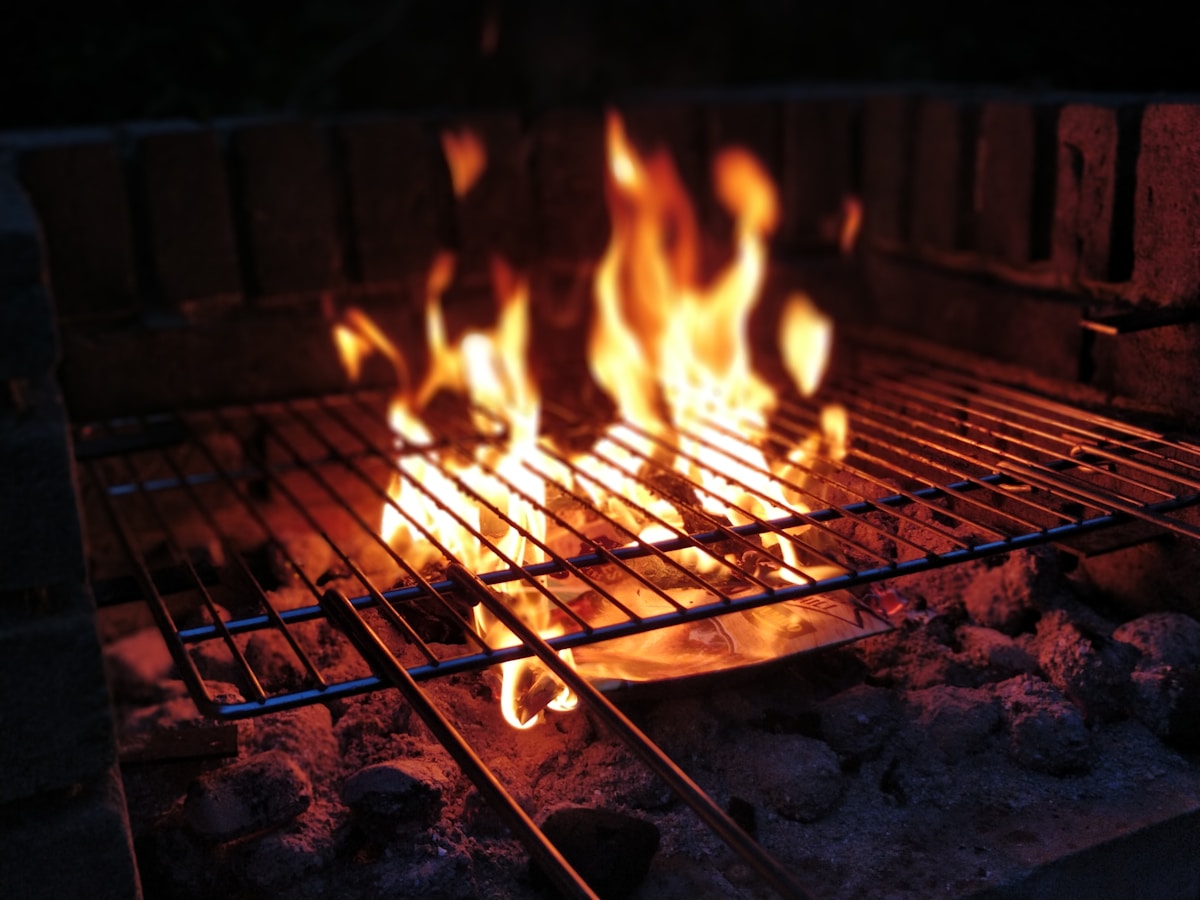
The Smell of Trouble: When Low and Slow Turns Into a Fireball
You have a brisket on the smoker, the temp is steady at 225°F (107°C), and you are settling in for a long cook with a cold drink. Then you see it — a thin wisp of black smoke curling from the firebox, followed by a sudden whoosh of flames licking up the side of the meat. Your heart drops. A grease fire has just turned your lazy afternoon into a kitchen emergency. (And trust me, I have been there. It is terrifying.)
Grease fires in smokers are not just a nuisance — they are a leading cause of outdoor cooking accidents, according to the National Fire Protection Association. The NFPA reports over 10,000 home fires per year involve grills or smokers, with grease fires being the most common culprit. A Reddit user on r/smoking recently shared their story: a small grease fire destroyed their smoker after they neglected cleaning and a sudden temperature spike ignited accumulated fat. So how do you keep your smoker running safely without sacrificing that beautiful smoky flavor? Let us dig into the gear, the science, and the real-world habits that save your equipment — and maybe your deck.
Why Grease Fires Happen in Smokers
Smokers operate at low temperatures for long periods — typically 225-275°F (107-135°C). That low heat is perfect for rendering fat and building bark, but it also means fat drips continuously onto heat deflectors, firebox grates, or directly onto the coals. Over the course of several hours, that grease accumulates. If the temperature spikes — say you open the lid and let in a gust of oxygen, or the charcoal flares up — that pooled fat can ignite. Grease itself has a flash point around 500-600°F (260-315°C), but when it mixes with ash or accumulated debris, it can catch fire at lower temps. (Yes, really. The combination creates a perfect storm.)
Another factor is poor airflow. Clogged ash doors, dirty vents, or a blocked exhaust can cause the smoker to “choke” and then suddenly surge when you adjust dampers. That surge pushes flames and heat into areas where grease has been sitting. The NFPA emphasizes that poor maintenance — not cleaning drip trays, ignoring ash buildup, and neglecting to empty the grease catch — dramatically increases fire risk.
How to Prevent Grease Fires: Cleaning, Drip Pans, and Airflow
Prevention is 90% of the battle, and it starts with a clean smoker. I recommend a three-step cleaning routine after every cook (or at least every other cook if you are smoking frequently).
Step 1: Scrape the hot surfaces. While your smoker is still warm (but not blazing hot), use a long-handled grill brush or a wooden scraper to remove caked-on grease and food debris from the grate, heat deflector, and firebox walls. A stiff brass brush works well for stainless steel; a scraper is better for cast iron parts like those from Lodge or Oklahoma Joe.
Step 2: Empty the drip tray and ash pan. Most smokers have a removable drip tray or a bucket. Use a heavy-duty disposable aluminum pan — Weber makes a good one for about $5–$10, or you can buy a pack of cheap half-size steam table pans at a restaurant supply store for around $15. Line the smoker’s drip area with one of these, and replace it after each cook. Never let the grease pool more than a quarter-inch deep. For ash, use a metal ash shovel and a bucket. Wait at least 12 hours after the smoker has cooled completely — hot ash can smolder and cause a fire if you dump it in a plastic bin.
Step 3: Clean the vents and thermometers. Use a pipe cleaner or a small brush to clear the intake and exhaust dampers. A blocked vent can cause temperature swings that accelerate grease ignition. Also wipe down your temperature probes with a damp cloth — grease buildup there can insulate the sensor and give false readings.
Drip pans are your best friend. Place a disposable aluminum pan directly under the meat on the lower grate, or even on the heat deflector. This catches the fat before it hits the coals. For offset smokers, put a pan beneath the grate above the firebox opening. Pro tip: Fill the pan about halfway with water, apple juice, or beer. The liquid acts as a heat sink and prevents the pan itself from getting hot enough to ignite the grease. (Your future self will thank you.)
Airflow management. Keep your smoker’s intake damper about 25% open for a steady burn, and the exhaust fully open to allow smoke and heat to escape cleanly. Avoid sudden, large adjustments — if you need to raise the temperature, open the intake by 10% increments and give it 15 minutes to stabilize. A sudden rush of oxygen over a bed of grease-laden coals is like lighting a match in a gas station.
What to Do If a Grease Fire Starts (Don’t Reach for Water)
If you open your smoker and see flames shooting up, do not panic — but do not grab the garden hose either. Water on a grease fire causes a violent reaction: the water sinks, then instantly turns to steam, expanding 1,700 times and throwing flaming grease everywhere. (I have seen the aftermath. It is not pretty.)
Instead, follow these steps:
- Cut off the oxygen. Close the lid completely. If your smoker has dampers, shut them all — intake and exhaust. Starving the fire of air will cause it to suffocate within seconds or minutes. For a charcoal smoker, you can also close the vents on the bottom.
- Smother the flames. If you have a metal lid (like a cookie sheet) that fits over the firebox, you can slide it over the opening. Or dump a generous amount of baking soda directly onto the flames. Keep a large box of baking soda near your smoker at all times — it is cheap, non-toxic, and effective. Do not use flour: it can explode. Do not use a lid that is plastic or has rubber handles.
- Use a Class K or ABC fire extinguisher. The NFPA and BBQ experts like Meathead Goldwyn of AmazingRibs.com all recommend keeping a fire extinguisher within reach. A Class K extinguisher is designed for kitchen grease fires, but a standard ABC dry chemical extinguisher works too. Just be aware that the powder is messy and will ruin any food it touches. Position the extinguisher on the ground, not on a shelf where it could get knocked over.
- Never open the smoker again until the flames are completely out and it has cooled below 300°F (149°C). Opening the lid early can reignite the fire.
If the fire has spread beyond the smoker — to your deck, patio, or house — call 911 immediately. Do not try to be a hero.
Essential Safety Gear for Smoking
A good smoker set-up is about more than just the meat. Invest in these items to protect yourself and your equipment:
- A quality fire extinguisher. Look for a 5-pound ABC model (around $30-$50) or a 2.5-gallon Class K (about $60–$80). Mount it on a sturdy post or keep it on the ground where you can grab it blindfolded. Check the gauge monthly.
- Heavy-duty smoker gloves. Not just for heat protection — they let you handle hot drip pans and grates safely. I use the Weber 6110 insulated gloves (around $25) or the Lixada 932°F silicone gloves (about $20). They make cleaning safer.
- A digital thermometer with a long probe. Avoid opening the lid constantly to check temperature — that causes flare-ups. A Maverick ET-733 (around $50) gives you ambient and meat temp without opening.
- A dedicated drip pan. As mentioned, a full-size disposable aluminum pan (around $2 each) or a reusable stainless steel pan like the Charcoal Companion (about $30) saves you from grease buildup. Clean reusable pans after every cook.
- Baking soda. Buy a 5-pound bag at Costco for about $4. Keep it in a sealed bucket near the smoker. It is way cheaper than a ruined smoker.
Real-World Lessons from BBQ Experts
Meathead Goldwyn has preached the gospel of smoker maintenance for years. He advises cleaning the smoker after every use, especially the drip pan and heat deflector. He also warns against using lighter fluid or self-starting charcoal briquettes — they can cause uncontrollable temperature spikes. Instead, use a chimney starter and natural lump charcoal.
The Reddit r/smoking community echoes this. One user who lost their smoker to a grease fire said they had been lazy about scraping the firebox for three months. A single spike from adding a new log caused a 400°F (204°C) flare-up that ignited the crusted grease. Their advice: set a timer to clean every 10 hours of smoking time, not just after each cook. If you smoke every weekend, that means a deep clean once a month.
Another tip from the pros: use a water pan inside your smoker. Placed directly above the heat source, a water pan not only adds humidity to the cooking chamber but also catches drips and keeps the direct heat from reaching the fat pool. Fill it with hot water (about 140°F/60°C) to avoid crashing your cooking temp. Change the water if it gets greasy — which it will after a few hours.
Stay Safe, Keep Smoking
Grease fires are scary, but they are 100% preventable with the right habits. Clean your smoker after every cook or at least every 10 hours of use. Use disposable drip pans. Keep baking soda and a fire extinguisher within arm’s reach. Manage airflow gently. And never, ever pour water on a grease fire.
Your smoker is an investment — treat it with respect, and it will reward you with the best barbecue of your life. Now go fire it up (safely) and make something amazing.


