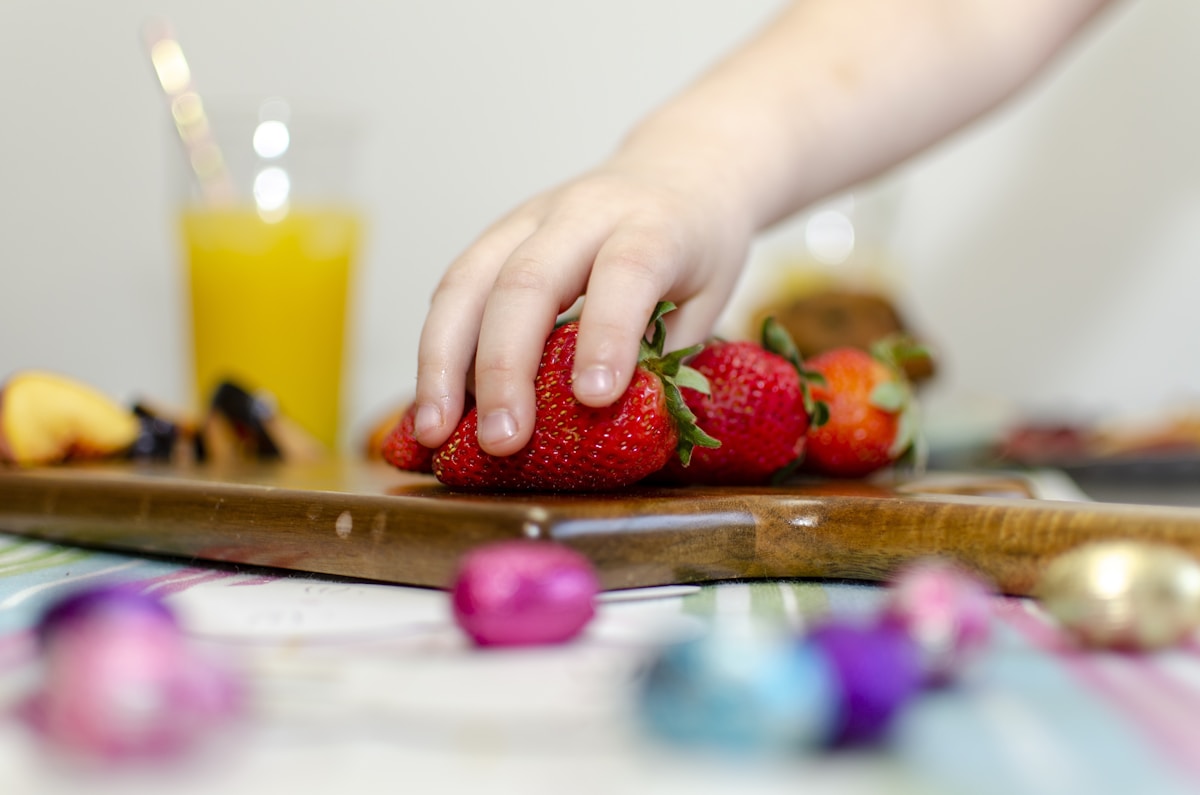
The night before a first flight, the kitchen can look like a tiny grocery store: crackers on the counter, fruit in containers, wipes beside the lunch bags, and two toddlers asking whether they can eat everything now. The good news is that you do not need a suitcase full of food.
For a short flight, pack familiar, low-mess foods in two separate child-sized snack kits, then add a small shared backup for airport waiting or delays. Plan for the whole journey—not only the time in the air—and keep the first snack, wipes, napkins, and drink supplies within reach during boarding.
Key Takeaways
- Use each toddler’s usual eating routine to estimate food, then add a modest buffer for airport waits and delays.
- Pack familiar, low-mess foods in separate, color-coded kits so each child has clear choices.
- Keep a first snack, wipes, napkins, and drink or feeding supplies accessible during boarding.
- Prepare foods according to each child’s eating skills, follow existing allergy plans, and supervise eating.
- Check current airport and airline rules for food, drinks, pouches, ice packs, and containers before leaving home.
1. Estimate How Much Food to Pack
Start with each toddler’s usual eating pattern. If a child normally eats a snack before leaving home, another during a two-hour outing, and perhaps something small afterward, use that routine as your starting point instead of guessing from the flight duration alone.
A two-hour flight may also include the drive to the airport, security, gate time, boarding, time on the runway, the flight itself, and baggage collection after landing. Pack enough for the airport and flight, plus a modest delay buffer. You do not need a full extra day of meals, but one additional familiar option per child can help when a snack is dropped or refused.
For each toddler, think in four parts:
- One more filling, familiar option, such as a small sandwich portion or a food they normally eat as part of a meal.
- Two or three smaller snack portions, such as dry cereal, crackers, soft fruit, or a familiar pouch.
- One simple backup food, kept separate from the first choices.
- A drink plan that follows your child’s normal routine and current airport rules.
Several small servings are more useful than one large container. A spill, squashed piece, or sudden refusal will not remove the entire food supply. Pack one individual pouch or container for each child, then place the backup portions in a separate adult-controlled bag.
Do not measure success by whether every snack is eaten. Toddlers may eat less because of excitement, or ask for food repeatedly because the situation is unfamiliar. Offer food without pressure and let each child stop when they appear finished.
For snacks for a two-hour flight, you might pack one small sandwich portion, two dry snack servings, one soft fruit serving, and one familiar pouch per toddler, plus an extra shared choice for delays. Adjust that example to your children’s appetites, ages, feeding skills, and normal routines.
2. Choose Familiar, Low-Mess Toddler Airplane Snacks
The first flight is not the time to test a new flavor, unfamiliar texture, or food your child has barely tried. Choose foods they already eat successfully at home and handle comfortably in similar portions. Familiar foods also make it easier to tell whether refusal is caused by tiredness or overstimulation rather than the food itself.
Useful categories for toddler airplane snacks include:
- Dry cereal or another familiar dry finger food.
- Crackers your child already handles well.
- Soft fruit prepared in pieces appropriate for the child’s age and eating skills.
- A small sandwich cut into easy-to-manage portions.
- A familiar fruit, vegetable, yogurt, or meal pouch, if it fits your child’s established routine and applicable travel rules.
- One limited treat or comfort food that is already familiar.
Choose foods that can be opened and served quickly. A snack that requires several utensils, complicated assembly, or careful balancing may be impractical in a narrow airplane seat. If a food needs refrigeration, special preparation, or a particular serving temperature, decide in advance how you will keep it suitable throughout the journey.
Portion foods before leaving home. Put only a small amount in each serving container and keep the rest sealed. This limits the impact of a dropped container and reduces the amount of food exposed while your child decides what to eat. Resealable bags and lidded containers can help, but do not assume any container is guaranteed spill-proof or leak-proof.
Mess control is part of the food plan. Add extra napkins, a small pack of wipes, a bib or washable cover if your child normally uses one, and a sealable bag for rubbish. A spare empty container can hold a half-eaten sandwich or sticky wrapper until you can dispose of it.
Prepare every food in a texture and size that matches the individual child’s developmental stage and established eating skills. Supervise toddlers while they eat, including during the flight. If you are unsure how to prepare a particular food, follow the feeding guidance you already use rather than relying on a general travel checklist.
3. Build Two Separate Snack Kits
Packing everything into one large food bag may seem efficient, but it can create grabbing, searching, and sibling conflict. Two separate kits let each toddler see their own choices and allow an adult to hand over one portion without opening the entire supply.
Use different colors, labels, or recognizable containers. For example, one child might have a blue pouch and the other a green pouch. If both children have similar foods, add their names or another identifying mark. Choose containers that an adult can open quickly and that fit inside the family’s personal items.
Each child’s kit can follow this structure:
- One familiar main snack.
- Two or three small snack choices.
- One backup portion, kept closed until needed.
- A napkin or small wipe packet.
- A suitable cup, bottle, or feeding supply according to your travel plan.
Keep the shared reserve separate from the children’s immediate kits. It might include one familiar food for each toddler, extra napkins, and a backup pouch or container. Adult control helps prevent both children from eating the delay supplies during the first few minutes at the gate.
Create a small boarding pouch as well. This is not a third full snack bag; it is the part you need immediately. Place the first snack for each child, wipes, napkins, and drink or feeding supplies in an outer pocket or small pouch. Keep the larger food bag accessible rather than burying it beneath clothing or other luggage.
When two adults are traveling, divide the job clearly before leaving home. One adult might carry both labeled child kits, while the other carries the reserve, wipes, utensils, and rubbish bag. This prevents both adults from assuming the other person has the food.
Before boarding, check that the food you are likely to need is not going into an overhead bin. Once seated, overhead storage may be difficult to access, especially while other passengers are boarding or when the seat-belt sign is on.
4. Plan Drinks, Allergies, Storage, and Cleanup
Airport security and airline policies can differ by location, itinerary, and item. Before departure, check the current requirements for toddler food, drinks, pouches, ice packs, containers, and feeding supplies at every departure or connecting airport. Do not assume that a rule from one airport applies everywhere.
For the journey itself, spill-resistant cups or bottles may reduce mess, but no container should be considered fail-safe. If permitted and practical, an empty cup or bottle can be filled after security. Your children’s normal drink routine may still require planning, so confirm what you can carry and what can be obtained after screening.
If either child has a food allergy, use only foods the family already knows are appropriate. Prepare each child’s food with clean hands and equipment, keep allergy-safe items separate, and avoid sharing utensils or open containers when cross-contact is a concern. Clearly identify each child’s food if the kits look alike.
Follow the child’s existing allergy care plan. Keep prescribed emergency medication and relevant instructions accessible according to that plan; do not bury them in checked luggage or treat them as part of the snack supply. Snack planning supports allergy management but does not replace medical preparation.
Chilled and perishable foods need more thought than dry snacks. If you pack them, use suitable cold storage, protect them during transit, and minimize the time they spend outside temperature control. Check current food-safety guidance before departure, especially if the journey includes a long drive, airport wait, connection, or delay. When in doubt, choose a shelf-stable familiar alternative rather than taking food that may not remain suitable.
Put reusable utensils in each kit only if your children actually need them. Add a washable mat or bib if it is part of your normal routine, along with extra napkins, wipes, and a sealable rubbish bag. At the end of the flight, check the seat pocket, floor area, and space beneath the seats for dropped food and wrappers.
5. Use a Simple Airport-to-Flight Snack Timeline
Before leaving home: Portion the foods, label both kits, check allergy details, and chill any suitable items. Verify current rules for your departure and connecting airports. Put the boarding pouch in an easy-to-reach place and keep the reserve separate.
At the airport: Offer food according to the toddlers’ normal routine instead of automatically opening everything. If they ate before leaving home, they may need only a small snack while waiting. If the airport schedule is long, use one portion at a time and keep the backup sealed.
During boarding: Keep the first snack, wipes, napkins, and drinks or feeding supplies within arm’s reach. Do not place the main food bag in an overhead bin if you expect to need it soon. A small, contained snack is usually easier to manage than several open packages.
After takeoff: Once it is appropriate and practical to serve food, offer a small portion first. Save a familiar backup for a rejected snack, unexpected delay, or later hunger. Avoid opening every option at once; the remaining choices may be useful later.
During the flight: Rotate foods only as needed. Keep children seated and supervised while eating, clean spills promptly, and close containers between servings. Appetite may change, and that is normal. The goal is to provide familiar options, not to make either child finish a planned amount.
Before landing: Keep one simple snack or drink option available if your children usually need something after landing, during baggage collection, or on the trip to your accommodation. If they are not hungry, leave it packed for later rather than insisting.
FAQ
How many toddler airplane snacks should I pack for a two-hour flight?
Base the amount on what each child normally eats during the airport wait, flight, and immediate period after landing. For a two-hour flight, several small familiar portions plus one more filling option per child is often more practical than a large meal. Add a modest delay buffer and one separate backup choice, but you do not need to pack every possible food.
What are the best travel snacks for toddlers on a plane?
The best travel snacks for toddlers are familiar, easy to portion, and relatively low-mess. Dry cereal, crackers, age- and development-appropriate soft fruit, small sandwich portions, and familiar pouches can work well. Choose based on what your child already eats safely and comfortably rather than introducing a new food for the flight.
Can I bring toddler food and drinks through airport security?
Possibly, but there is no single rule covering every airport, airline, route, or item. Check the current instructions for each departure and connecting airport before packing toddler food, drinks, pouches, ice packs, bottles, and containers. Allow extra time for screening and keep relevant items easy to remove if requested.
A calm snack plan will not guarantee a quiet flight, and it does not need to. Two labeled kits, familiar foods, a modest delay buffer, and a small cleanup setup give you a flexible starting point for real toddler appetites and unexpected changes.