We’ve all been there. You’re walking through a big-box store and you see it: a massive, 18-piece cookware set in a gleaming box. Pots, pans, lids, and even a few flimsy nylon spatulas, all for a price that seems too good to be true. (Spoiler alert: it is.)
Many of us start our kitchen journeys by buying one of these sets. I get the appeal — it feels like you’re instantly equipped for anything. But a year later, the non-stick coating is flaking into your eggs, the thin bottoms have warped into a permanent wobble on your stovetop, and half the pans are still collecting dust because you have no idea what to do with a 1.5-quart “casserole” pan.
Today, we’re talking about a different approach. A better one. It’s about ditching the clutter and investing in a few core pieces that will not only last a lifetime but will fundamentally make your cooking better. Let’s break down why one great pan truly is better than a dozen mediocre ones.
The All-in-One Box Trap
That big, shiny box is a masterclass in marketing over matter. To hit that attractive price point, manufacturers have to cut corners everywhere. The metal is usually thin-gauge aluminum, which heats up in a flash but also creates vicious hot spots, leading to scorched garlic and unevenly cooked chicken. The non-stick coatings are rarely durable, and once they scratch, the pan is essentially useless and potentially unsafe.
You end up with a collection of pans that are frustrating to use. They don’t hold heat, they cook unevenly, and they force you to constantly adjust the burner to avoid burning your food. This isn’t a user error; it’s a tool failure. The truth is, most of those specialized pans in a large set are redundant. You don’t need five different sizes of non-stick skillets. You need one or two that actually work.
The Workhorse Philosophy: Cast Iron & Stainless Steel
Instead of a box full of disappointment, I want you to think about building a team of kitchen workhorses. These are the tools that professional chefs and serious home cooks rely on, day in and day out. They aren’t flashy, but they are incredibly effective.
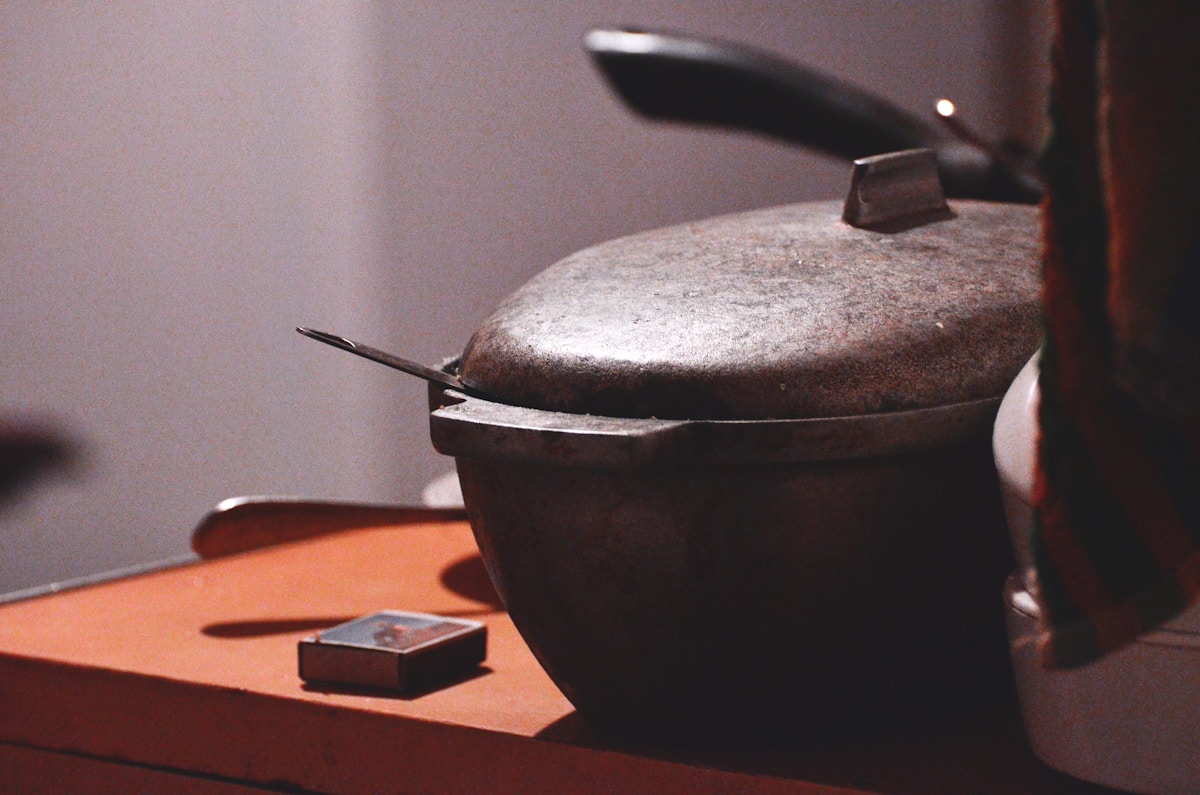
First up, the king of heat retention: Cast Iron. A 12-inch cast iron skillet from a brand like Lodge will cost you around $30 and, with minimal care, will outlive you. Its heavy-gauge construction means it heats slowly and evenly, and once it’s hot, it stays hot. This is critical for getting a deep, crusty sear on a steak or cooking a big batch of southern jambalaya without scorching the bottom. It’s the ultimate tool for high-heat cooking and can go directly from the stovetop into the oven.
Next, the agile and responsive champion: Stainless Steel. A high-quality, tri-ply stainless steel skillet (where an aluminum core is sandwiched between layers of steel) offers the best of both worlds. It heats up much faster than cast iron, responds instantly to temperature changes, and provides incredible searing results. Unlike cast iron, it’s non-reactive, so you can cook acidic tomato sauces or wine reductions without worrying about a metallic taste. A great 10-inch skillet from a brand like Tramontina or All-Clad is an investment that pays for itself in performance.
These two pans alone can handle about 90% of all the cooking you’ll ever do on a stovetop. They encourage better technique because you learn to control heat and use fat properly, rather than relying on a chemical coating.
Investing wisely isn’t just about pans. It’s about identifying the tools that offer the most control. The input I received from culinary pros was clear: precision is key for elevating your food. This is where a simple piece of gear can completely change your results.
A perfect example is duck confit. To get that incredibly tender, fall-off-the-bone texture, you need to hold duck legs in fat at a very stable, low temperature — around 220°F (104°C) — for several hours. Guessing at this temperature is a recipe for tough, greasy duck. But with an instant-read digital thermometer, you can dial in your oven or slow cooker with absolute confidence. That same thermometer is your key to perfectly cooked medium-rare steaks, moist chicken breasts, and successful candy making. It removes the guesswork, and a reliable one costs less than a single bad pan from that 18-piece set.
This is the core principle: spend your money on tools that provide control and durability. A great thermometer, a sharp chef’s knife, and a heavy cutting board will do more for your cooking than an entire cabinet full of flimsy gadgets.
Your First Five Kitchen Investments
Ready to build your collection the smart way? Forget the giant box. Here are the first five pieces I recommend for any serious home cook. You can acquire these over time, and each one will be a massive upgrade.
- A 12-inch Cast Iron Skillet: The do-it-all pan for searing, frying, baking cornbread, and more. (Brand: Lodge, Price: ~$30)
- A 10-inch Tri-Ply Stainless Steel Skillet: Your go-to for pan sauces, sautéing vegetables, and anything requiring quick heat adjustments. (Brands: Tramontina, All-Clad, Made In, Price: ~$50-$150)
- A 5- to 6-Quart Enameled Dutch Oven: The MVP for soups, stews, braises, and even baking crusty bread. The enamel coating makes it easy to clean and non-reactive. (Brand: Lodge, Tramontina, Le Creuset, Price: ~$80-$400)
- A Reliable Instant-Read Digital Thermometer: The single best tool for eliminating guesswork and achieving perfect results with meats and more. (Brand: ThermoWorks, Javelin, Price: ~$25-$100)
- An 8-inch Chef’s Knife: You use a knife for almost every meal. A sharp, comfortable knife makes prep work faster, safer, and more enjoyable. (Brands: Victorinox, Wüsthof, Global, Price: ~$40-$200)
With just these five items, you are better equipped for serious, high-quality cooking than someone with a 20-piece set of inferior gear. You’ll have tools that make cooking a joy, not a chore, and they’ll be with you for years to come. (Your future self will thank you.)



 Beatrice
