It is Friday evening, the blanket is out, and your preschooler is ready to watch the same favorite movie again. You want the snack to feel special, but you do not want to make an elaborate themed meal that is rejected after one look.
The easiest answer is to make movie night snacks preschoolers recognize: one familiar favorite, one easy fruit or vegetable, one small treat, and water. Keep the plate small, calm, and easy to refill. The goal is shared movie time, not a food negotiation.
Key Takeaways
- Build the plate around one dependable food your child already enjoys.
- Start with small portions and keep refills in the kitchen.
- Add one tiny, no-pressure taste of a less-familiar food only if you want to.
- Use divided plates, small bowls, napkins, and spill-resistant cups to limit couch mess.
- Make the night feel special with a simple theme, favorite blanket, or repeat snack routine rather than extra cooking.
Start With the Easy Movie-Night Snack Formula
A four-part snack plate makes toddler movie night food simple to assemble and easy for a preschooler to understand. It gives your child something dependable to eat while making the evening feel different from an ordinary weekday snack.
Use this formula:
- One reliable favorite: Choose a food your child usually accepts. This is the anchor of the plate and should be the largest portion.
- One easy fruit or vegetable: Pick something familiar or prepared in a way your child already likes.
- One simple special treat: A few crackers, a small cookie, or another modest favorite can make the plate feel festive.
- Water in a spill-resistant cup: Set it beside the plate before the movie begins.
Start with just a few bites of each item. A full plate can feel overwhelming when the lights are dim and attention is already on the screen. Keep extra servings in the kitchen, where you can offer them during a pause or after the movie.
Here are a few easy combinations:
- Cheese cubes or familiar sandwich strips, soft prepared fruit, a few crackers, and water.
- Mini quesadilla wedges, applesauce, a few pretzels, and water.
- Small toast pieces with a familiar topping, safely prepared berries, a small homemade treat, and water.
- A favorite cereal-style snack, soft banana pieces, a few cheese crackers, and water.
Choose foods based on your child’s chewing skills and the safety practices you already use at home. Some common movie snacks, including popcorn, whole grapes, nuts, hard raw vegetables, hard candy, and round or firm pieces, may require different preparation or close supervision for young children. If you are unsure about an item, choose a softer familiar alternative or follow guidance already provided for your child.
Repetition is welcome. Serving the same comfort movie with a similar snack plate can become a cozy ritual. You do not need a new menu every week for movie night to feel special.
Build a Picky Eater Snack Board Without Pressure
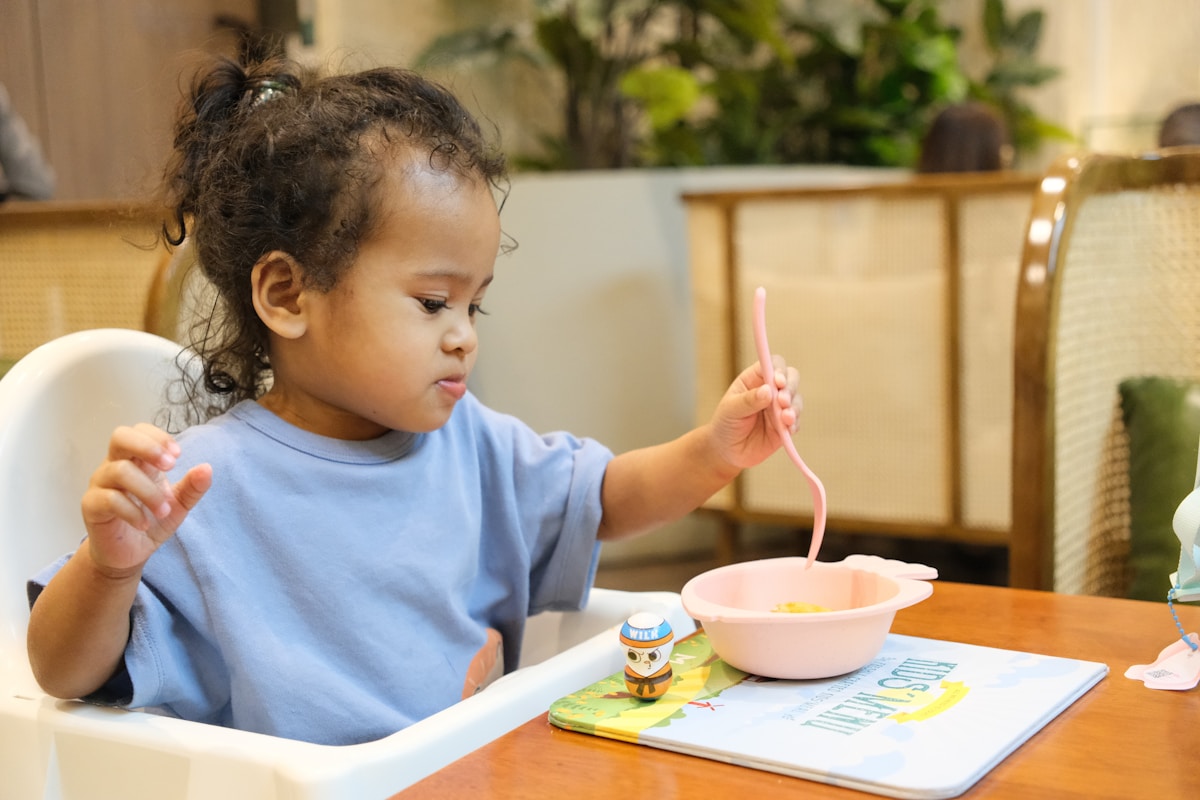
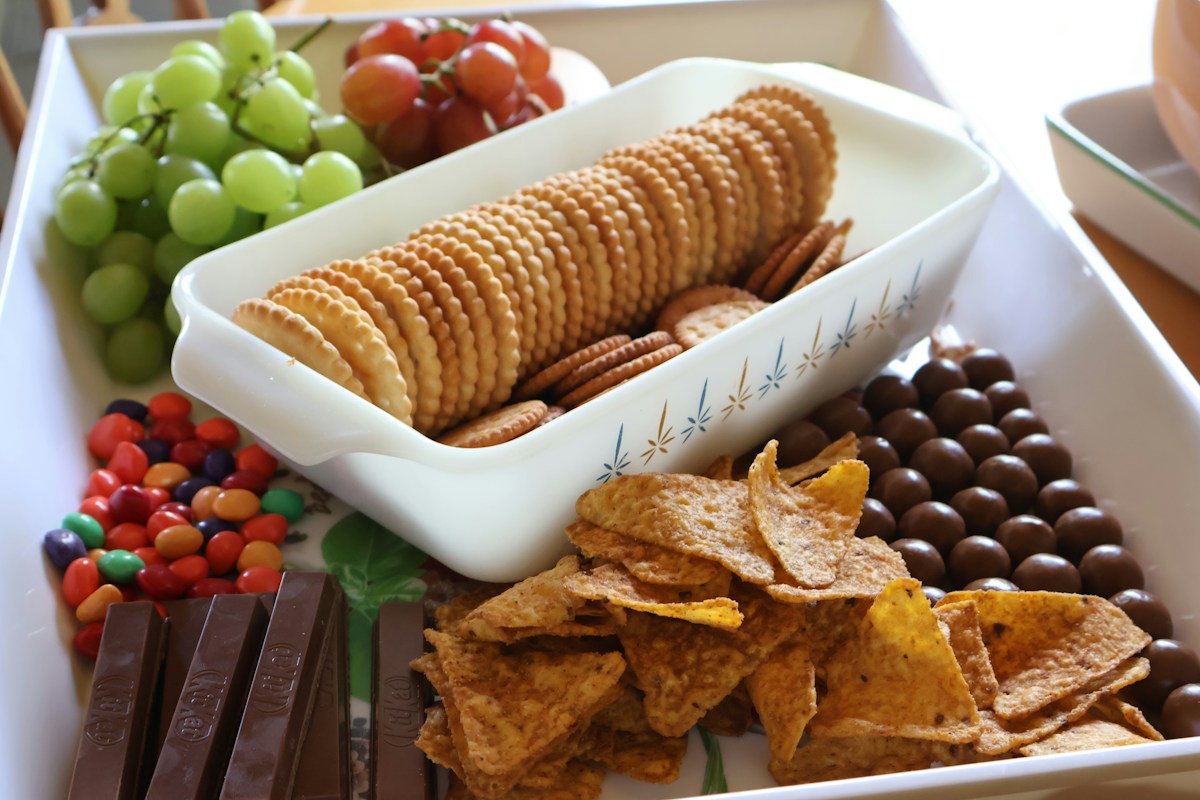
A picky eater snack board does not need to be a large grazing table. For a preschooler, a divided plate, silicone muffin cups, or a muffin tin is often more practical than a big shared platter. These options keep portions modest and separate foods when touching matters to your child.
Make the reliable food the main event. If your child loves plain quesadilla pieces, place several in the largest section. Add a few familiar fruit pieces in another section, a small treat in a third, and water nearby.
If you want to include something less familiar, make it truly optional. One pea, one tiny dab of dip, one small piece of new fruit, or one broccoli floret is enough. It does not need a speech, a reward, or a promise that your child will like it.
Try neutral language such as:
- “This is here if you want to check it out.”
- “You do not have to eat it.”
- “It can stay on your plate.”
- “You can touch it, smell it, or leave it alone.”
Avoid asking for “just one bite” during the movie. That can quickly turn a fun family routine into a standoff. The new food can simply share the plate with familiar choices.
What if your preschooler eats only the familiar item? Let them eat it. They have not failed, and neither have you. Quietly clear the plate later and use the same low-pressure approach another time.
For portioning, begin with two or three small pieces of each food instead of filling every compartment. Keep extra food out of couch reach. A child can ask for more, but a large pile of crackers or an open family-size bag usually means more crumbs, distraction, and waste.
Make Toddler Movie Night Food Low-Mess and Couch-Friendly
The best low mess kids snacks are easy to pick up, sturdy enough to travel from hand to mouth, and not heavily sauced. Good options may include small sandwich pieces, cheese, soft prepared fruit, crackers, baked bites, quesadilla wedges, or other familiar dry snacks.
Portion crumbly, sticky, or loose foods into a small bowl instead of serving from a family-size package. A bowl gives each child a clear amount and makes it easier to set food down when they need both hands for a blanket or stuffed animal.
Set up each viewing spot with:
- A divided plate or small tray
- One napkin under or beside the plate
- A stable, spill-resistant cup of water
- A small bowl for loose snacks
- A damp cloth nearby for quick cleanups
Reserve sauce-heavy foods, melting treats, and very crumbly choices for the table when possible. If the movie snack is also dinner, serve the main food at the table first. Then let your child bring a small dry snack bowl to the couch for the movie.
A simple busy-evening timeline can help:
- Before the movie: Assemble the plate and set out cups and napkins.
- At the beginning: Serve the snack rather than waiting until the movie is almost over.
- During the movie: Keep refills in the kitchen instead of passing around a large bag.
- Afterward: Clear dishes before pajamas, books, and the rest of bedtime.
If there are untouched leftovers, handle them promptly according to the food and your usual food-safety practices. Pack only suitable leftovers for the next day when they have been stored and handled safely. When in doubt, make a fresh lunchbox portion instead.
For families managing food allergies, check ingredient labels whenever you buy a product, since ingredients and manufacturing practices can change. Follow your household’s established routines to prevent cross-contact, and do not assume a simple-looking snack is allergy-safe.
Add Simple Themes Without Making an Extra Meal
A theme can make a preschooler snack plate exciting without character-branded foods, special cutters, or a separate dinner. Start with your child’s current interest, then rename or arrange foods you already planned to serve.
For a dinosaur movie night, arrange familiar snacks in a loose trail across the plate. Sandwich squares can become “dino steps,” while a small bowl of fruit can be called “dino eggs.” If broccoli is already accepted in your home, it can be part of the plate; if not, offer one small floret as the optional taste instead of building the meal around it.
For an animated-film night, use a simple color idea. Add one familiar beige item, one colorful fruit or vegetable, and one little treat. Call it a “movie-color snack plate.” The name is enough; there is no need to recreate a character or match every food to the story.
For a cozy repeat-night theme, use the same favorite bowl, cup, placemat, or blanket every time. Serve a successful snack combination again. The special feeling can come from dimmed lights, a family blanket pile, and time together, not complicated food styling.
If your child wants to help, offer one small kitchen job. They can place napkins beside plates, put crackers in bowls, choose between two familiar fruits, or carry an empty cup to the table. Keep tasks short, simple, and suited to what feels safe and manageable for your child.
Keep Family Movie Night Ideas Bedtime-Friendly
First, decide what the snack plate is meant to be. Is it a light dinner, an after-dinner snack, or an earlier family movie night meal? Clear expectations make portions easier to plan and can help avoid a surprise request for a full dinner just before bed.
If movie night happens late, keep the plate familiar and modest. A large spread of unfamiliar choices can create extra decisions when everyone is tired. Serving food at the beginning of the movie also leaves time to finish, clean up, and move through your usual bedtime routine without rushing.
Keep the special treat small instead of making it the centerpiece. You do not need to ban fun foods to keep the evening manageable. Simply pair the treat with the dependable favorite and water so it is one part of the plate rather than the whole event.
Adults can eat a similar snack plate, a larger version, or their own dinner alongside the children. You do not need separate themed meals for every person. When everyone has a manageable plate, parents are more likely to sit down and enjoy the story too.
Take note of combinations that worked. Maybe cheese, applesauce, crackers, and water was the perfect Friday plate. Repeat it next week, switch only the treat, or use suitable safely stored components in a next-day lunchbox. A repeatable plan is one of the most useful family movie night ideas because it saves time and decision-making.
FAQ: Movie Night Snacks for Preschoolers
What should I put on a preschooler snack plate for movie night?
Use the four-part formula: one reliable favorite, one easy fruit or vegetable, one simple treat, and water in a spill-resistant cup. For example, offer quesadilla wedges, applesauce, a few crackers, and water. Start with small portions and keep extra servings in the kitchen.
How do I offer a new food to a picky preschooler without a battle?
Add one tiny optional taste next to a larger serving of a familiar food. Use calm language such as, “You do not have to eat it.” Let the food stay, be touched, or be ignored, and avoid turning the movie into a conversation about bites or finishing.
What are low mess kids snacks for watching a movie on the couch?
Choose pre-portioned foods that are easy to hold, such as small sandwich pieces, cheese, soft prepared fruit, crackers, baked bites, or dry familiar snacks. Use divided plates or small bowls, give each child a napkin and water, and keep a damp cloth nearby. Save very saucy, melty, or highly crumbly foods for the table when possible.