I still remember the day I opened the fridge, craving the last handful of perfect, ripe strawberries I had bought just that morning. My two-year-old had discovered them first. The green tops were scattered on the kitchen floor like tiny trophies, and the berries themselves were gone. I laughed, but inside I felt a twinge of defeat. Sound familiar?
You are not alone if you have ever stood in your own kitchen, wondering how to get your toddler to eat fruit while also making sure there is some left for you. This is the classic “parental deprivation” problem, and it is real. But here is the good news: with a few clever tricks, you can turn fruit into an irresistible adventure for your little one, and still get to enjoy the berries yourself.
Why toddlers need more than just fruit on a plate
Toddlers are naturally curious, but they are also creatures of habit. A plain apple or a bowl of grapes may look boring to them, while an exciting shape or a colorful arrangement sparks their imagination. The visual appeal of food is huge at this age. According to child feeding experts, young children are more likely to try new foods when they look fun and inviting. This is not about being fancy; it is about meeting them where they are developmentally.
When you take an extra minute to transform fruit into something playful, you are also creating a positive memory around eating. That positive association can last a lifetime. And for you, the parent, it means less waste and more fruit in your own bowl.
The magic of cookie cutters: star-shaped strawberries and heart-shaped melon
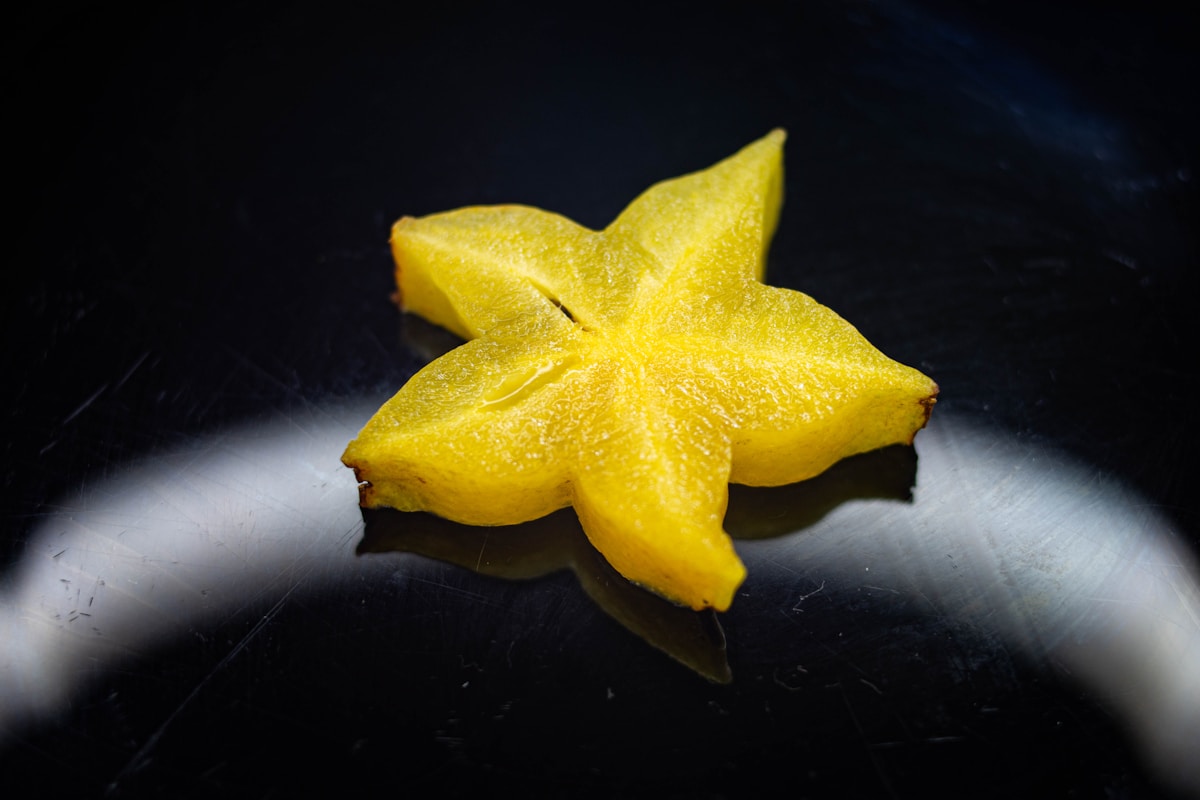
One of the simplest ways to make fruit exciting is to cut it into shapes. A set of stainless steel cookie cutters (Wilton makes a great basic set for under $10) can turn a slice of watermelon into a star, a thick piece of mango into a heart, or a slice of apple into a dinosaur. Yes, really.
Here is how to do it:
- Pick firm fruits that hold their shape: apples, pears, melons, pineapple, or thick slices of mango. Soft berries are tricky, but you can slice them and arrange into shapes.
- Cut the fruit into slices about 1/4 to 1/2 inch thick. Too thin, and the shapes will fall apart. Too thick, and the cutter will not press through.
- Press the cookie cutter straight down and twist gently. Lift the cutter, and push the shape out with your finger.
- For safety with toddlers, avoid tiny cutters that could be choking hazards. Stick to shapes that are at least one inch in diameter.
Pro tip: Keep a few small cookie cutters in a drawer just for fruit. Your toddler will start to associate the shape with a treat, and you can use them for cucumbers or cheese too.
Fruit skewers: edible art on a stick
Skewers are a game-changer. Kids love anything on a stick, and fruit skewers are no exception. They are easy to assemble, portable, and naturally portion-controlled. Plus, they make the fruit feel like a special snack, not just something to eat.
Here is how to make toddler-friendly fruit skewers:
- Use short, blunt bamboo skewers (or even clean craft sticks for very young toddlers). You can also use reusable silicone skewers with rounded ends.
- Choose a mix of colors: red strawberries, orange cantaloupe, yellow pineapple, green kiwi, and blue/purple blueberries. The rainbow effect is visually stunning.
- Cut all fruit into similar-sized cubes, about 1/2 inch each. Thread them onto the skewer in a pattern. For example, strawberry, pineapple, strawberry, pineapple.
- If your toddler is old enough (around 18 months+), let them help thread the fruit onto the skewer with supervision. It is excellent fine motor practice.
These skewers are perfect for a picnic, a lunchbox surprise, or an after-nap snack. And because you are assembling them yourself, you can set aside some fruit for yourself before your toddler even sees it. (Trust me on this one.)
Bento-style containers: separate portions for everyone
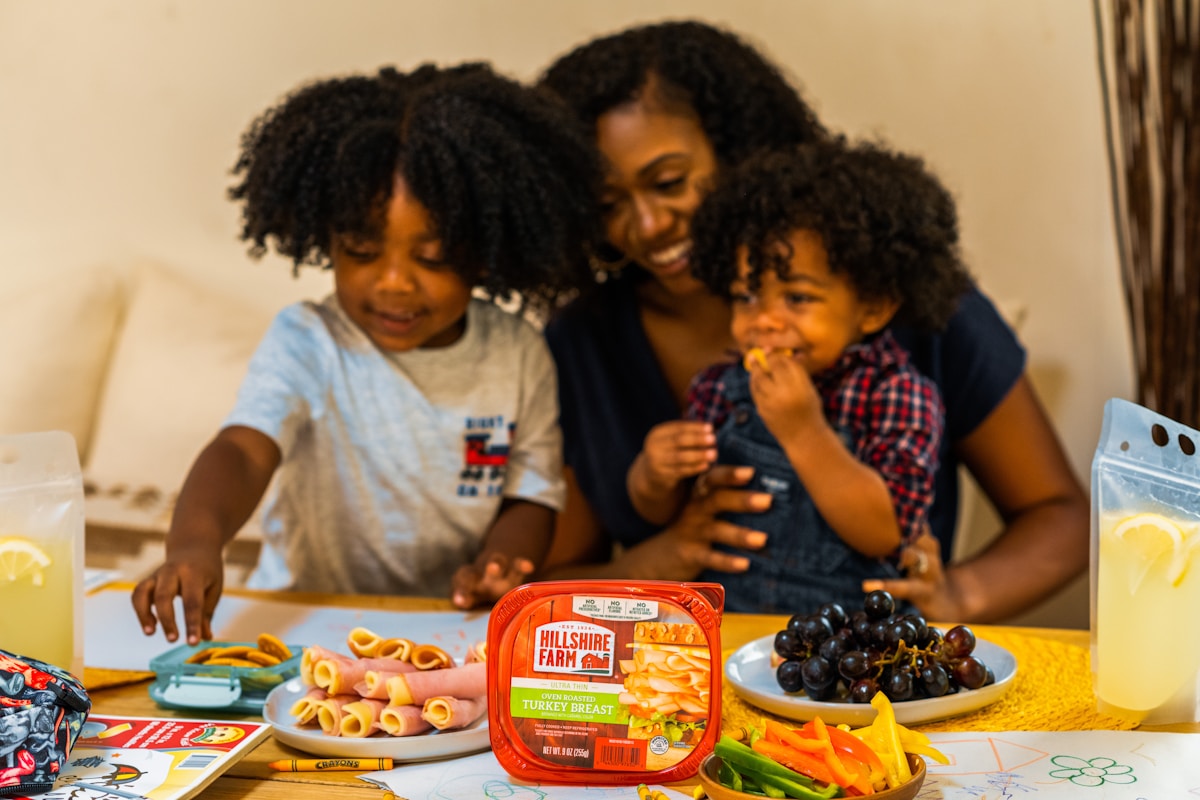
One of the most effective solutions to the “where did all the strawberries go?” problem is portioning. A bento box with separate compartments makes it easy to give your toddler their share and keep yours safe. Brands like PlanetBox, LunchBots, and Bentgo offer containers with multiple sections that are dishwasher safe and toddler-friendly.
Here is the strategy:
- Before you put the fruit away after shopping, wash and prep a portion for your toddler and a separate portion for yourself. Store them in different containers or separate compartments of the same bento box.
- When snack time comes, hand your toddler their bento box with a few fruit shapes, some cheese cubes, and maybe a cracker. You then eat your portion from a different bowl at the same time. This models good eating habits and sets a boundary.
- If your toddler asks for more, offer a second portion from a small bowl, not from the main fruit stash. This helps them learn about limits and prevents the free-for-all that leads to parental deprivation.
A practical tip: serve fruit at room temperature or slightly chilled. Toddlers often prefer cool fruit over cold, and letting it sit out for ten minutes can improve the flavor and texture.
Involving your toddler in preparation (safely)
Children are far more likely to eat something they helped make. Even a two-year-old can participate in safe, supervised kitchen tasks. Use a nylon knife (like the OXO Tot Nylon Knife, about $10) to let your toddler cut soft fruits like bananas, peaches, or peeled mango. Show them how to hold the knife with a sawing motion, and always supervise closely.
Other jobs for little hands:
- Washing berries in a colander. They love the water and the sensory experience.
- Tearing lettuce leaves or pulling grapes off the stem.
- Arranging fruit on a plate or skewer (adult can do the actual skewering).
- Picking which shape cookie cutter to use.
Involving them gives them a sense of ownership. Suddenly, that star-shaped melon is their creation, and they will be proud to eat it.
Extra tips to keep fruit exciting (and keep you sane)
- Freeze grapes: wash, pat dry, and freeze on a baking sheet. Transfer to a bag. Frozen grapes are a refreshing treat, especially in summer. You can also freeze banana slices dipped in yogurt for a healthy “ice cream” bite.
- Make fruit dip: blend plain Greek yogurt with a tiny bit of honey (for toddlers over 1 year) and a splash of vanilla. Serve it alongside the fruit. The dip adds a fun interactive element.
- Use a small silicone muffin cup to separate different fruits in a lunchbox. The visual variety keeps interest high.
- Rotate the shapes. If you use stars this week, try hearts next week. The novelty matters.
- Accept that some days your toddler will refuse everything. That is normal. Do not force it. Offer again tomorrow.
Remember, the goal is not perfection. The goal is connection. Every time you sit down together with a plate of fruit shapes, you are building a relationship with food that is based on joy, not pressure. And yes, you deserve your share of the strawberries.
Now go ahead, buy that extra pint. You can thank me later.