


The Craving That Started It All
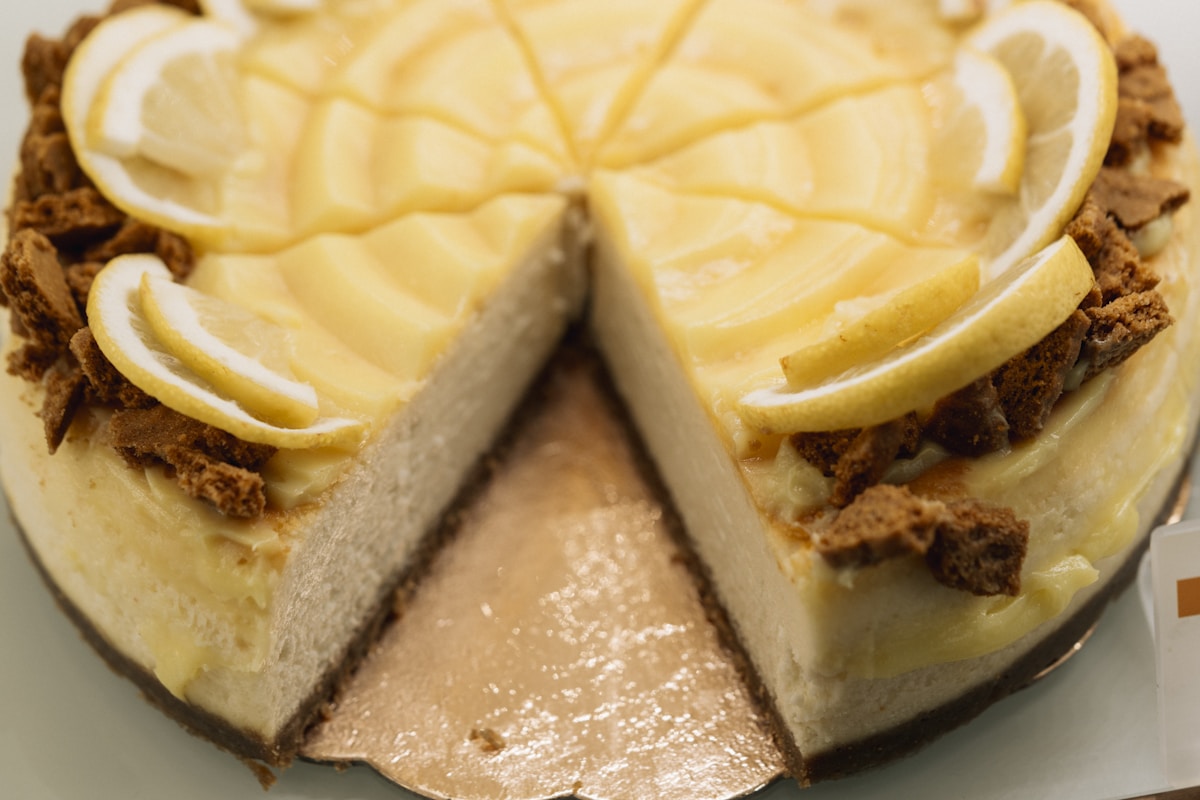
“You know the moment.” You’re sitting at The Cheesecake Factory, menu in hand, and your eyes land on that Lemon Raspberry Cheesecake. The tangy lemon custard, the sweet-tart raspberry swirl, and that impossibly dense yet silky cream cheese filling layered over a thin vanilla cake base. It’s a signature slice that costs nearly $10, and honestly, you could eat the whole thing yourself. But what if you could make one at home that tastes just as good—if not better? That’s the challenge a Reddit user tackled last month, sharing a copycat recipe that credits Nagi’s vanilla cake layer as the foundation. After testing it myself (and tweaking a few things for reliability), I’m here to walk you through every detail. From the precise temperature of your water bath to why room-temperature cream cheese isn’t optional, this is the only guide you’ll need.
The Science Behind That Creamy Texture
Before we get into ingredients, let’s talk about why Cheesecake Factory cheesecake has that signature texture. It’s dense, smooth, and almost fudgy—never light or airy. That comes from two things: the fat-to-protein ratio and the way you incorporate air. You want to mix the cream cheese and sugar until just combined, then add eggs one at a time on low speed. Overbeating incorporates too much air, which expands in the oven and then collapses, causing cracks. The water bath (bain-marie) is non-negotiable here. It provides gentle, even heat that prevents the edges from setting too fast while the center stays undercooked. This slow, humid environment allows the proteins in the eggs and cream cheese to coagulate evenly, giving you that luscious, melt-in-your-mouth bite. The lemon in this recipe adds acidity, which further tenderizes the proteins—so don’t skip the fresh zest and juice.
Ingredients You’ll Need
For the vanilla cake base (adapted from Nagi’s recipe):
- 1/2 cup (113g) unsalted butter, softened (I use Land O’Lakes)
- 1/2 cup (100g) granulated sugar
- 2 large eggs, room temperature
- 1 tsp pure vanilla extract (Nielsen-Massey is worth the splurge)
- 1 cup (125g) all-purpose flour (King Arthur Flour preferred)
- 1 tsp baking powder
- 1/4 tsp salt
- 1/4 cup (60ml) whole milk, room temperature
For the cheesecake filling:
- 32 oz (four 8-oz blocks) full-fat cream cheese, softened (Philadelphia is the gold standard)
- 1 cup (200g) granulated sugar
- 2 tbsp all-purpose flour
- 1 tbsp lemon zest (from about 2 lemons)
- 1/4 cup (60ml) fresh lemon juice (about 2 lemons)
- 2 tsp pure vanilla extract
- 4 large eggs, room temperature
- 1/2 cup (120ml) heavy cream, room temperature
For the raspberry swirl:
- 1 1/2 cups (180g) fresh or frozen raspberries (thawed and drained if frozen)
- 1/4 cup (50g) granulated sugar
- 1 tbsp lemon juice
- 1 tsp cornstarch
Step-by-Step Assembly
Step 1: Make the vanilla cake base. Preheat your oven to 325°F (163°C). Grease the bottom of a 9-inch springform pan and line with a parchment circle. In a stand mixer with the paddle attachment, cream the butter and sugar until light and fluffy, about 3 minutes. Add eggs one at a time, then vanilla. Whisk flour, baking powder, and salt in a separate bowl. Add dry ingredients alternately with milk, starting and ending with flour. Spread batter evenly in the pan (it will be a thin layer—about 1/2 inch). Bake for 12–15 minutes until the edges are golden and a toothpick comes out clean. Let cool completely in the pan. This base acts as the sturdy foundation that soaks up a bit of moisture from the cheesecake, just like the original.
Step 2: Prepare the raspberry swirl. Combine raspberries, sugar, and lemon juice in a small saucepan. Cook over medium heat, mashing gently, until the berries break down and the mixture thickens slightly, about 5 minutes. Stir in cornstarch and cook one more minute. Strain through a fine-mesh sieve to remove seeds. Let cool to room temperature. (Yes, you can skip straining if you like seeds, but for that restaurant-smooth swirl, strain it.)
Step 3: Make the cheesecake filling. In a large bowl (or stand mixer with paddle attachment), beat the cream cheese on medium-low speed until smooth and creamy—no lumps. This takes about 2 minutes. Scrape the bowl well. Add sugar and flour, beat on low until just combined. Mix in lemon zest, lemon juice, and vanilla. Add eggs one at a time, beating on low after each just until the yolk disappears. Scrape the bowl after each addition. Finally, stir in heavy cream on low speed until fully incorporated. The mixture should be smooth and slightly thick, like a pudding. Do not overmix.
Step 4: Assemble. Wrap the outside of the springform pan (with the cooled cake base still in it) with two layers of heavy-duty aluminum foil, making sure the foil comes up the sides and there are no tears. This is critical for the water bath. Pour the cheesecake filling over the cooled cake base. Drop spoonfuls of the raspberry puree over the top (you’ll use about 2/3 of it). Use a toothpick or skewer to gently swirl the puree into the batter, creating figure-eight patterns. Don’t over-swirl or you’ll lose the distinct ribbons. Reserve the remaining puree for drizzling on the finished cheesecake.
The Water Bath Technique
Place the foiled springform pan into a large roasting pan (a 12x17-inch works well). Transfer to the oven rack. Carefully pour hot tap water into the roasting pan until it reaches about halfway up the sides of the springform pan. The water should be hot but not boiling—about 180°F (82°C). Bake at 325°F (163°C) for 55 to 70 minutes. The cheesecake is done when the edges look set but the center still jiggles slightly when you gently shake the pan. The internal temperature should read 150°F (65°C) on an instant-read thermometer. Turn off the oven, crack the door open, and let the cheesecake sit in the water bath for one hour. This gradual cooling prevents the dreaded sinkhole. After an hour, remove the cheesecake from the water bath, discard the foil, and let it cool completely on a wire rack. Then refrigerate uncovered for at least 6 hours or overnight. The wait is torture, but it’s essential for the texture to set properly.
Troubleshooting Common Issues
Cracks. Almost always caused by overmixing (too much air) or rapid temperature changes. Always mix on low speed, use a water bath, and cool slowly in the oven. If you still get a hairline crack, don’t panic—you can hide it with the swirl or a dollop of whipped cream.
Soggy cake base. If your vanilla cake layer becomes mushy, you likely didn’t cool it completely before adding the filling, or the water bath leaked. Ensure the foil is sealed tightly. Also, baking the base for the full 15 minutes helps it withstand moisture.
Raspberry swirl sinking to the bottom. This happens if the puree is too thin or if you add it before the filling has thickened slightly. Let the puree cool to a jam-like consistency, and gently dollop it on top rather than stirring it in deep.
Too tangy or not tangy enough. Lemon zest gives bright aroma; juice gives acidity. Taste your cream cheese mixture before adding eggs—if you want more lemon, add another teaspoon of zest. But note: the flavor will mellow after refrigeration.
Sticking to the pan. Always line the bottom of the springform with parchment. Run a thin knife around the edge before releasing the ring. For clean slices, use a long, thin knife dipped in hot water and wiped dry between cuts.
Fresh vs. Frozen Raspberries
The Reddit thread debated this heavily. Fresh raspberries are ideal if they’re in season—they hold their shape and have brighter flavor. But frozen raspberries work perfectly, especially in winter. Thaw them first, drain off any excess liquid, and cook them down as directed. Frozen berries may release more juice, so cook the puree a little longer to reduce it. Either way, the swirl will be gorgeous.
Final Tips for a Picture-Perfect Slice
- Use a springform pan from a reliable brand like Williams Sonoma or Fat Daddio’s. Cheap pans can leak during the water bath.
- Bring all ingredients to room temperature—this ensures a silky smooth batter without overmixing. Set the cream cheese out for at least two hours; eggs for one hour.
- If you’re using a 10-inch pan, increase the cake base by 1.5x and the cheesecake filling by about 1.25x. Bake time may decrease by 10 minutes, so start checking early.
- Don’t skip the lemon zest—it’s where the most intense lemon flavor lives. The juice alone won’t give that bakery-level punch.
- Drizzle the reserved raspberry puree over the finished cheesecake just before serving. It adds a fresh, vibrant finish.
This copycat recipe takes patience, but the reward is a cheesecake that rivals the original—maybe even surpasses it. Your kitchen will smell like vanilla, lemon, and butter, and when you pull that first crack-free slice out of the pan, you’ll know exactly why we do this. Enjoy every tangy, creamy, raspberry-swirled bite.


