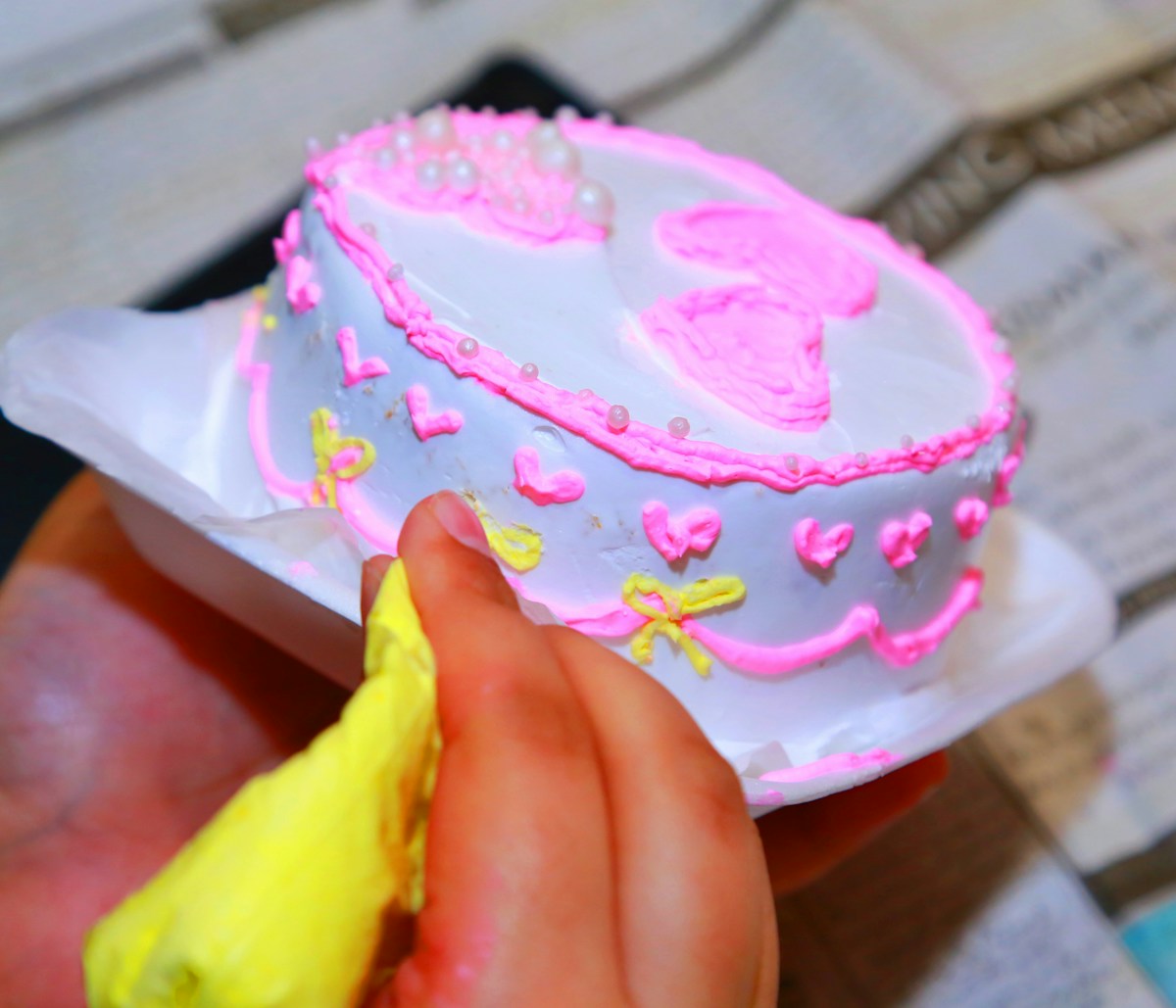
You’ve seen those stunning cake decorating contest entries - flawless buttercream roses, intricate piping, shimmering candied fruit. And you think, "Could my child ever do something like that?" The answer is a resounding yes. In fact, some of the most charming contest cakes I’ve seen came from kitchens where little hands helped every step of the way. The trick is knowing which tasks to give, how to keep it safe, and how to turn potential mess into masterpiece.
Safety First in the Contest Kitchen
Before a single sprinkle touches the counter, let’s talk safety. Cake decorating involves hot sugar syrups, sharp tools, and sometimes electric mixers. Set clear boundaries. For younger kids (ages 4-7), tasks should be strictly non-heat, non-sharp: washing fruit, stirring cooled mixtures, placing pre-made decorations. For ages 8-12, with direct supervision, they can handle a piping bag filled with buttercream (just be ready with a damp cloth for inevitable squirts). Hot sugar work, like making candied citrus slices, should be reserved for teens or done entirely by an adult while kids watch from a safe distance.
I always keep a bowl of ice water nearby when working with hot sugar - in case of a splash, immediate cooling prevents serious burns. (Keep that tip in your back pocket.)
Age-Appropriate Tasks That Build Confidence
The Reddit r/Baking community recently celebrated a lemon cake decorated with neat candied lemon slices and Italian meringue buttercream - a perfect example of simple elegance. Kids can absolutely help create that look. Here’s a breakdown by age:
Ages 4-7: The Decorator’s Assistant
- Wipe down the cake plate with a damp cloth
- Place pre-made sugar flowers or sprinkles on piped dots of frosting
- Use clean fingers to press on candied nuts or chocolate shavings
- "Taste test" the buttercream (quality control is essential!)
Ages 8-12: The Junior Piping Artist
- Fill piping bags (with a coupler and tip already inserted) - show them how to twist the top
- Practice piping stars and rosettes on parchment before touching the cake
- Apply a simple crumb coat with an offset spatula (the messier, the more fun)
- Arrange candied citrus slices in a pattern (adult handles the hot syrup)
Teens: The Lead Decorator
- Whip Italian meringue buttercream (supervision on the hot sugar syrup step)
- Use a bench scraper to get smooth sides
- Create more complex piping - shells, borders, writing
- Adjust colors with gel food coloring
Simple Techniques That Wow Contest Judges
You don’t need a million tools to make a cake that stands out. One of the most effective techniques for young decorators is the "naked cake" trend - a light crumb coat that lets the cake layers show through. It forgives imperfections and looks intentionally rustic. Another is the "semi-naked" look with a thin layer of buttercream. Both are forgiving for little hands.
Candied citrus slices (like those on that beloved lemon cake) are surprisingly doable with adult help. Here’s the method: slice lemons or oranges paper-thin (1/8 inch), simmer in a simple syrup (equal parts sugar and water) at 240°F (115°C) for about 10 minutes until translucent, then dry on a wire rack. The result? Translucent, jewel-like slices that catch the light. Kids can arrange them in overlapping rings or a simple border. (Pro tip: use a small paintbrush to dab syrup on the cake surface to help slices stick.)
Mastering Buttercream Piping - A Kid-Friendly Skill
Buttercream is the gateway drug to cake decorating. For kids, start with a stiff buttercream (add a bit more powdered sugar) so it holds its shape even if squeezed a little too enthusiastically. Wilton brand piping bags and tips are widely available and affordable (about $5 for a set of tips). Show your child how to hold the bag at a 90-degree angle to the cake for stars, or at a 45-degree angle for shells. Practice on a plate first - it saves messy fixes later.
Temperature matters: buttercream should be about 70°F (21°C). Too warm and it’ll melt into a puddle; too cold and it’ll be hard to pipe. If it gets too soft, pop it in the fridge for 10 minutes. If it’s too stiff, microwave for 5 seconds and stir.
The Big Day: Putting It All Together
Contest day is about more than winning. It’s about the pride a child feels saying, "I made that." Set up a decorating station with a lazy Susan (a $12 plastic one from a craft store works great). Have all decorations - sprinkles, candied fruit, chocolate curls - in small bowls. Let the child choose a theme. Maybe it’s a "lemon garden" with piped flowers and candied lemon leaves, or a "rainbow sprinkle explosion" with colorful stars piped haphazardly.
Encourage creativity but provide gentle boundaries. "Let’s put the big sprinkles on the top, and the tiny ones around the bottom" - that kind of guidance helps without crushing autonomy. And most importantly, have a backup plan. Keep extra buttercream and a second cake layer in case of a tipping disaster. (I’ve been there. A "reimagined" cake is still delicious.)
Final Thoughts: The Real Prize
Whether your child’s cake takes home a ribbon or just gets devoured by the family, the real victory is the time spent together. The kitchen becomes a classroom for patience, creativity, and resilience. Every spilled sugar crystal is a lesson in cleaning up. Every lopsided flower is a story to tell. And every bite of that imperfect, beautiful cake tastes like love.
So pick a recipe, gather your supplies, and let those little hands get messy. I promise you - the cake will be wonderful, and so will the memories.