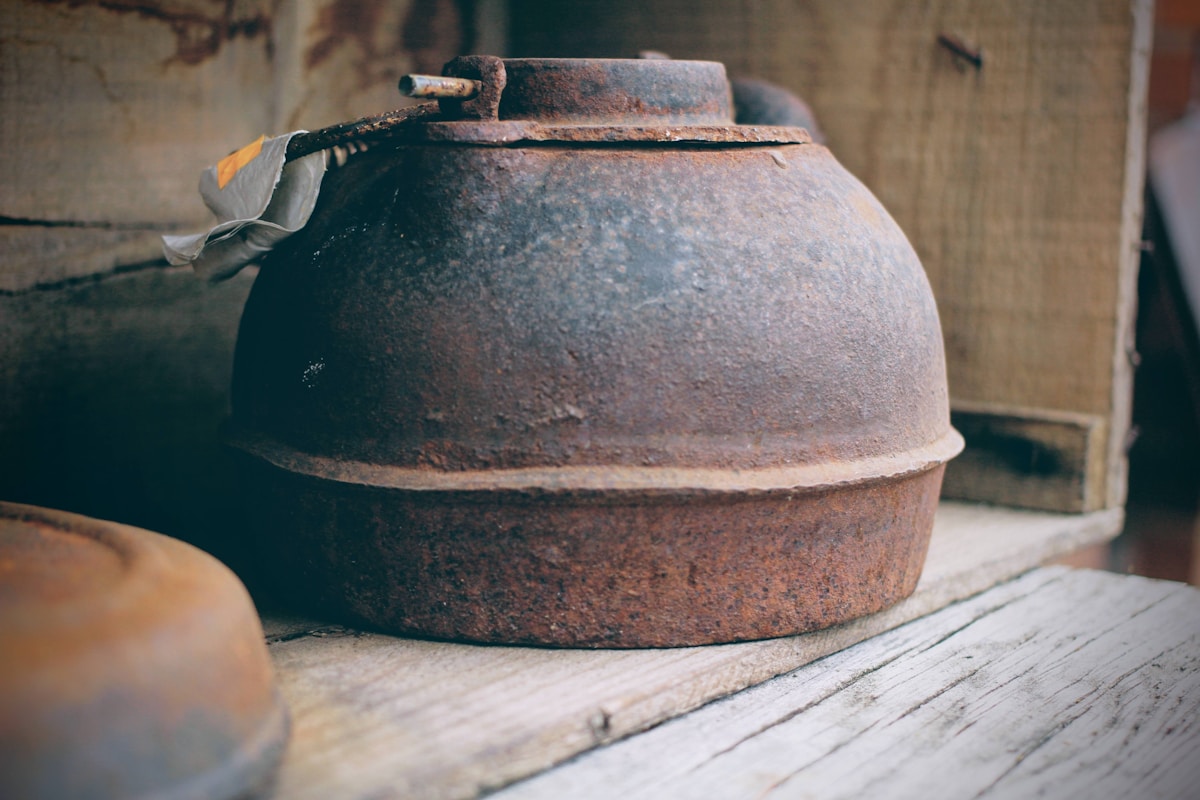
You’ve seen them before. Tucked away on a dusty shelf at a flea market, stacked at an estate sale, or maybe even passed down from a grandparent. That dark, heavy, unassuming cast iron skillet. It looks ancient. But then you hear people whisper about how these old pans—Griswolds, Wagners, and the like—are somehow better than the brand-new, pre-seasoned Lodge skillet you can buy for thirty bucks today.
Is it just nostalgia, or is there a real, tangible difference? As the guy who has seared, fried, and baked in more pans than I can count, I’m here to tell you: yes, there’s a difference. But whether that difference makes it the right pan for you is the real question. Let’s break it down, no fluff, just facts.
The Feel of History The Surface Is Everything
The single biggest difference between vintage and modern cast iron isn’t the iron itself; it’s the finish. Walk into a store today and pick up a new Lodge skillet. Feel the cooking surface. It’s bumpy, almost like very fine-grit sandpaper. This is the raw finish from the sand-casting mold it was made in.
Now, picture a vintage Griswold from the 1940s. Its cooking surface is satin-smooth, almost like polished stone. Why? Because manufacturers back then took an extra step. After casting the pans, they milled or stone-polished the interior to create a perfectly flat, smooth cooking surface. This practice was largely abandoned by the 1960s to cut costs and speed up mass production.
What does this mean for your cooking?
- Seasoning Adherence: A smooth surface allows seasoning—the baked-on layers of polymerized oil—to build up into a glass-like, truly non-stick patina. Frying an egg in a well-seasoned vintage pan is a thing of beauty; it glides around like it’s on an air hockey table.
- Food Release: That pebbly texture on modern pans creates microscopic peaks and valleys. Food, especially delicate things like fish or eggs, can get stuck in those valleys, even with a decent layer of seasoning. It takes much longer and many more cooking cycles for a new pan’s seasoning to fill in those gaps and become slick.
- Weight: Vintage pans were often cast thinner and lighter than their modern counterparts. A vintage 10-inch skillet can be noticeably lighter than a modern 10-inch, making it easier to handle, flip food, and move from stovetop to oven.
So, from a pure performance perspective, the smooth surface of a vintage pan gives it a significant head start in the race to becoming perfectly non-stick.
Performance Showdown Searing Steaks and Frying Eggs
Let’s get practical. I took a 1950s Wagner #8 skillet and a brand-new Lodge 10.25-inch skillet to see how they handled two simple tasks.
First up: searing a one-inch thick ribeye. Both pans were preheated over medium-high heat for about 10 minutes until screaming hot (around 500°F / 260°C). A tablespoon of grapeseed oil went in, followed by the steaks.
- The Lodge: It produced a fantastic, deep-brown crust. The heat retention is legendary for a reason. No complaints on the sear whatsoever. The sheer thermal mass of modern Lodge pans is their greatest strength.
- The Wagner: The sear was just as good, if not slightly more uniform due to the perfectly flat surface contact. Where it really shined was the cleanup. The fond (the tasty brown bits) released with minimal effort.
Next, the true test: a fried egg.
- The Lodge: Even with a good factory pre-seasoning and a pat of butter, the egg white tried to grip onto the pebbly texture. I needed a spatula to carefully release it, and a little bit of residue was left behind.
- The Wagner: With the same amount of butter, the egg slid freely around the pan after about 30 seconds. I could tilt the pan and make it skate from edge to edge. (Yes, really.) This is the payoff for that smooth, well-seasoned surface.
Verdict: For high-heat searing, both are champions. For everyday, lower-temperature cooking where sticking is a concern, a well-seasoned vintage pan is in a league of its own.
The Myth of High-Maintenance Cast Iron
Many people are scared of cast iron because of the cleaning rules they’ve heard. The biggest one? “Never use soap!” This is, frankly, outdated nonsense.
That rule came from a time when soap was made with lye, which is harsh enough to strip seasoning. Today’s dish soaps (like Dawn) are gentle detergents. They will absolutely not harm your hard-earned seasoning layer. A well-seasoned pan is incredibly resilient.
Here’s my foolproof, 2-minute cleaning method for any cast iron pan, vintage or modern. This is the only “kitchen hack” you need.
- Scrape: While the pan is still warm, scrape out any food bits with a flat-edged wooden spatula or a plastic pan scraper.
- Wash: Run it under hot water. Use a nylon scrub brush and a small drop of dish soap. Give it a quick scrub. It should come clean in seconds.
- Dry: This is the most critical step. Immediately place the pan back on the stove over low heat. Let it sit for a minute or two until every last drop of water has evaporated. Water is the enemy of iron.
- Oil: Turn off the heat. Pour a tiny dab of cooking oil (about half a teaspoon) into the warm pan. Using a paper towel, wipe the oil all over the cooking surface, creating a very thin, barely-there sheen. Wipe off any excess.
That’s it. Your pan is now clean, protected from rust, and ready for its next use. (Your future self will thank you.)
How to Hunt for Your First Vintage Pan
Ready to find your own piece of kitchen history? Here’s what to look for when you’re out hunting at flea markets, antique shops, or online.
- Check for Cracks: Inspect the pan carefully, especially where the handle meets the body. A hairline crack makes a pan unusable.
- The Wobble Test: Place the pan on a flat surface. Press down on the edges. If it wobbles or spins, it’s warped. A warped pan won’t heat evenly on a flat-top or induction stove.
- Ignore Rust, Fear Pitting: Don’t be scared by orange surface rust. That can be easily scrubbed off. What you want to avoid is deep pitting—caverns and craters in the iron caused by severe, prolonged rust. This can compromise the cooking surface.
- Know the Brands: The most common and beloved vintage brands are Griswold (often with a cross logo), Wagner Ware (stylized logo), and Lodge (yes, they made them back then, too!).
- Price Range: Expect to pay between $25 and $75 for a common, user-grade #8 (10.5-inch) skillet from a good brand. Rare pieces can fetch hundreds, but you don’t need a collector’s item to get a great cooking tool.
The Final Verdict Should You Buy Vintage?
So, after all this, is it worth seeking out a 70-year-old pan when you can get a new one delivered tomorrow?
If you are a passionate home cook who values performance and appreciates tools that tell a story, then absolutely, yes. The smooth surface of a vintage cast iron skillet offers a superior cooking experience, especially for delicate foods. It’s lighter, it has history, and it’s a sustainable choice—you’re giving a beautiful tool a second life. The hunt is part of the joy.
However, if you are a beginner who just wants a durable, affordable pan to sear steaks and bake cornbread without any fuss, a brand-new Lodge is a phenomenal choice. It is a workhorse, it’s virtually indestructible, and it will serve you well for the rest of your life. It may never get as glassy-smooth as a vintage pan, but it will get plenty non-stick with use.
Ultimately, you can’t go wrong. The best tool is the one you use. But if you have the chance to cook on a restored piece of American history, I promise you’ll feel the difference.