


Have you ever been scrolling through your social media feed and stopped dead in your tracks? That was me last week. I saw a picture of the most elegant butter cookies I had ever laid eyes on. They were simple, golden-edged, and pressed on top of each was a single, perfect, blush-pink cherry blossom. It looked like spring had been captured in a single bite.
My first thought was, “That is pure art.” My second, more practical thought was, “How on earth do you bake with an actual flower?” The secret, I soon rediscovered, lies in a beautiful Japanese ingredient: shiozuke no sakura, or salt-picked cherry blossoms. Using them isn’t as simple as just plopping a flower on dough, but the process is a lovely ritual in itself. It connects us to the centuries-old tradition of hanami (flower viewing) and the Japanese celebration of nature’s fleeting beauty. So, let’s journey together and learn how to transform these salty, preserved jewels into stunning edible art for your kitchen.
What Are Salt-Picked Sakura and Why Are They Salty?
Before we can roll up our sleeves, it’s wonderful to understand what we’re working with. These aren’t just any cherry blossoms. The most prized varieties for preserving are the yaezakura, which have multiple layers of delicate petals, making them especially beautiful when they rehydrate and bloom.
The tradition of preserving them in salt and plum vinegar is a brilliant method of preservation. It does two crucial things: it captures the blossoms at their peak beauty, locking in their delicate shape and pale pink color, and it cures them so they can be enjoyed long after the short two-week sakura season has passed. Food, as it so often does, tells the story of a culture’s relationship with time and season.
When you first open a package, the aroma is unique—a mix of floral notes, a hint of something fruity like plum, and an assertive briny saltiness. That salt is the gatekeeper. It’s what we need to manage to unlock the flower’s true potential. The goal isn’t to remove all the salt, but to tame it, transforming it from overpowering to a delicate, flavor-enhancing accent that makes the sweetness of your desserts sing.
The Essential Four-Step Process for Preparing Sakura
This is where the magic happens. Preparing your sakura is a gentle, mindful process. Rushing it will only lead to disappointment (and probably very salty cookies). Give yourself a little over an hour, put on some calming music, and enjoy this quiet kitchen ritual.
Step 1: The Initial Rinse First, gently remove the blossoms you plan to use from their packaging. You’ll find they are tightly furled and packed in coarse salt. Your first job is to carefully rinse away this excess salt. I like to place them in a small sieve and run very gentle, cool water over them, using my fingertips to carefully separate the blossoms. Be delicate here; they are fragile!
Step 2: The Crucial Soak Once rinsed, place the blossoms in a small bowl filled with fresh, cool water. This is the most critical step. They need to soak for at least one hour. This soaking period does two things: it rehydrates the petals, allowing them to soften and unfurl, and it leaches out the intense saltiness.
Kitchen Hack: How do you know when they’re ready? After about an hour, you can taste a tiny drop of the soaking water. If it’s still incredibly salty, you can change the water and let them soak for another 30-60 minutes. For some recipes where you want a very subtle saltiness, you might even soak them for several hours. The longer the soak, the less salty and more floral the final taste will be.
Step 3: The Gentle Pat-Down After their bath, the blossoms will be water-logged. Carefully lift them from the water—I often use chopsticks for this—and place them on a clean paper towel. Place another paper towel on top and gently, gently, pat them dry. The goal is to blot away the surface moisture without crushing their beautiful, newly opened form. You want them damp, not sopping wet.
Step 4: The Final Bloom This final, optional touch is what makes your desserts look truly professional. With the blossoms on the paper towel, you can use your fingertips or the tip of a toothpick to gently arrange and flatten the petals, encouraging them to open up into a full, beautiful bloom. This makes them perfect for pressing onto cookies or cakes.
Weaving Sakura Magic Into Your Favorite Bakes
Now for the best part: using them! Prepared sakura can be used in two main ways: as a stunning surface decoration or as a finely chopped flavor infusion mixed directly into your creation.
As a Beautiful Garnish: This is the most common and visually striking method. Simply press a prepared, patted-dry, and “bloomed” sakura blossom onto your dessert before baking.
- Sakura Shortbread or Butter Cookies: Press one blossom into the center of each cookie right before they go into the oven. Bake as your recipe directs, usually around 350°F (175°C) for 10-12 minutes. The blossom will bake right into the cookie, its color deepening slightly and its flavor infusing the top layer.
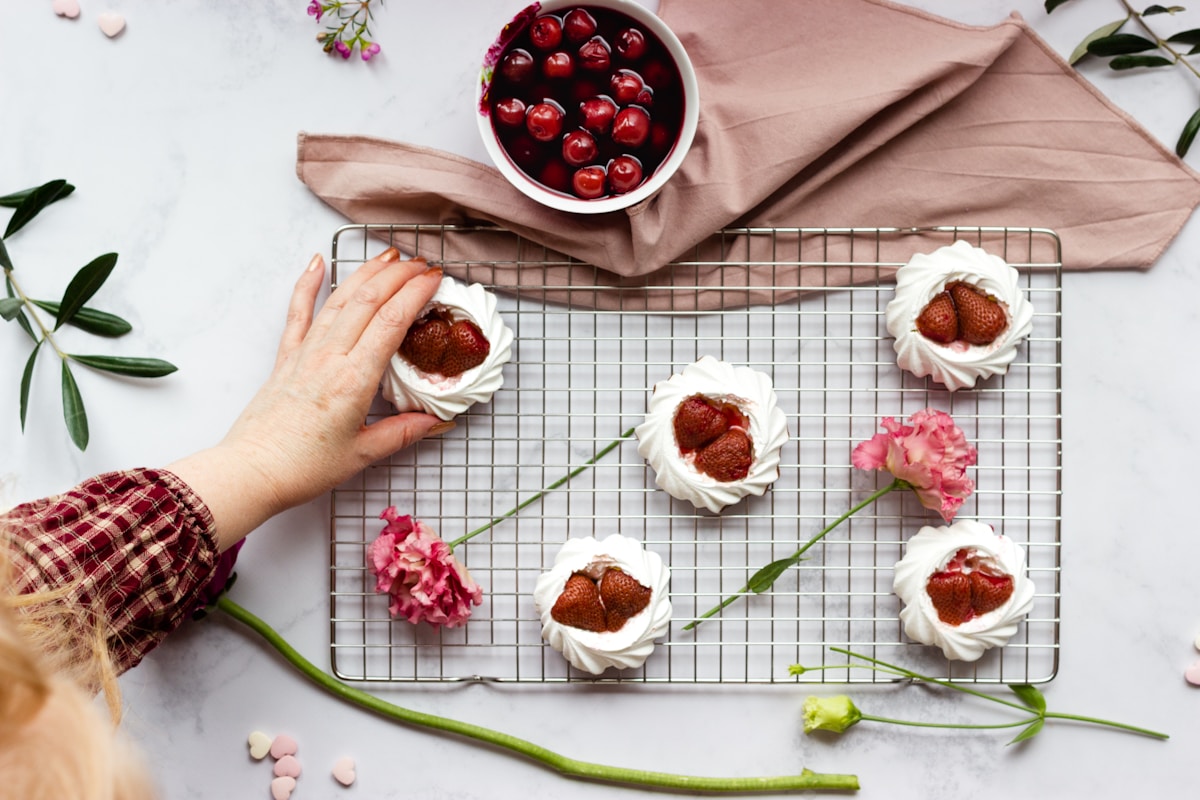
- Meringues: Gently press a blossom onto a piped meringue kiss before baking at a low temperature.
- White Chocolate Bark: Sprinkle prepared blossoms over melted white chocolate before it sets for a beautiful springtime treat.
As a Flavor Infusion: For a more integrated flavor, you can finely mince your prepared sakura. One or two blossoms go a long way.
- Sakura Cake Batter: Mince 3-4 prepared blossoms and fold them into a vanilla, almond, or chiffon cake batter. The little pink flecks are beautiful, and the salty-floral notes create a complex, sophisticated flavor profile.
- Sakura Buttercream: This is a personal favorite. Mix finely minced sakura into a simple American or Swiss meringue buttercream. It’s an incredible filling for macarons or a topping for vanilla cupcakes.
- Sakura Ice Cream: Infuse your cream base by steeping a few whole, prepared blossoms in the milk/cream as it heats. Remove the blossoms before churning for a subtle floral flavor.
Beyond baking, you can also make a traditional celebratory tea called Sakurayu by simply placing one prepared blossom in a cup and pouring hot water over it. It’s a beautiful, elegant drink served at weddings and special occasions.
Mastering the Flavor Balance Sweet and Salty
The key to success with sakura is understanding that the salt is part of the experience. You are not trying to eliminate it completely. Think of it like the fleur de sel sprinkled on a caramel. That hint of saltiness is a counterpoint that elevates the sweetness and brings out the delicate floral notes that would otherwise be lost.
When you’re incorporating minced sakura into a recipe, you might want to slightly reduce the amount of salt called for in the original recipe. For example, if your cookie recipe calls for 1/2 teaspoon of salt, maybe use just 1/4 teaspoon to account for the salt in the blossoms. (Trust me, it’s easier to add more salt later than to take it away.)
The balance you’re aiming for is a whisper of the sea, a memory of the brine, that gives way to the gentle, almost cherry-like fragrance of the blossom. When you achieve it, the result is truly sublime and unlike anything else.
Where To Find Preserved Sakura (and What to Look For)
You’re unlikely to find salt-picked cherry blossoms at your local chain grocery store. Your best bet is to look at a Japanese or well-stocked Pan-Asian market, especially during the spring months. I’ve had the most luck finding them in the section with other pickled items (tsukemono).
However, for most of us, online retailers are the easiest and most reliable source. A quick search for “preserved salted cherry blossoms,” “sakura shiozuke,” or “pickled sakura” will yield several options. They are typically sold in small glass jars or plastic packets. Look for brands that show whole, intact blossoms. A small package goes a very long way, as you typically only use one or two blossoms per cookie or a few for an entire cake.
Bringing these blossoms into your kitchen is more than just trying a new ingredient. It’s a way to connect with a beautiful cultural tradition and the changing of the seasons. It’s a quiet, beautiful process that ends with a truly special treat that tells a story. I hope you give it a try and fill your home with the gentle, lovely spirit of a Japanese spring.

