Picture this: a beautiful, healthy meal you spent an hour preparing sits on the table. Your toddler, perched in their high chair, takes one look, folds their tiny arms, and lets out a definitive “NO!” Sound familiar? Oh, honey, I’ve been there. The pleading, the bargaining, the frustration that bubbles up when dinner time feels more like a battlefield than a family gathering.
For months, you might feel like you’re doing something wrong. But what if the secret isn’t a new discipline tactic, but a change of scenery? What if the key to a peaceful meal is hidden in how we serve, not just what we serve? Let’s explore that together.
The Real Reason Your Toddler Hates the Dinner Table
Before we dive into solutions, let’s put on our little one’s shoes for a moment. Imagine being two or three feet tall, strapped into a chair that towers over you, at a giant table where everything feels out of reach. Grown-up conversations are happening over your head, and a plate of food you didn’t ask for is placed in front of you with the expectation to “eat your dinner.” It can be incredibly overwhelming!
Child development experts tell us that toddlers are in a critical stage of developing autonomy—their big job is to figure out what they can control in their world. When everything at mealtime feels decided for them, their only tool for control is to refuse. It’s not about defiance; it’s about a desperate need for a little bit of power in their big, confusing world.
A tense, high-pressure environment just adds fuel to the fire, triggering their little nervous systems and making a tantrum almost inevitable. The goal isn’t to win a battle of wills, but to create an environment where there’s no battle to be fought.
Creating a ‘Yes Zone’ for Your Little Eater
So, how do we dismantle the battlefield? We create a “Yes Zone”—a space where your toddler feels comfortable, safe, and in charge. The single biggest change I’ve seen work wonders is ditching the high chair for a while.
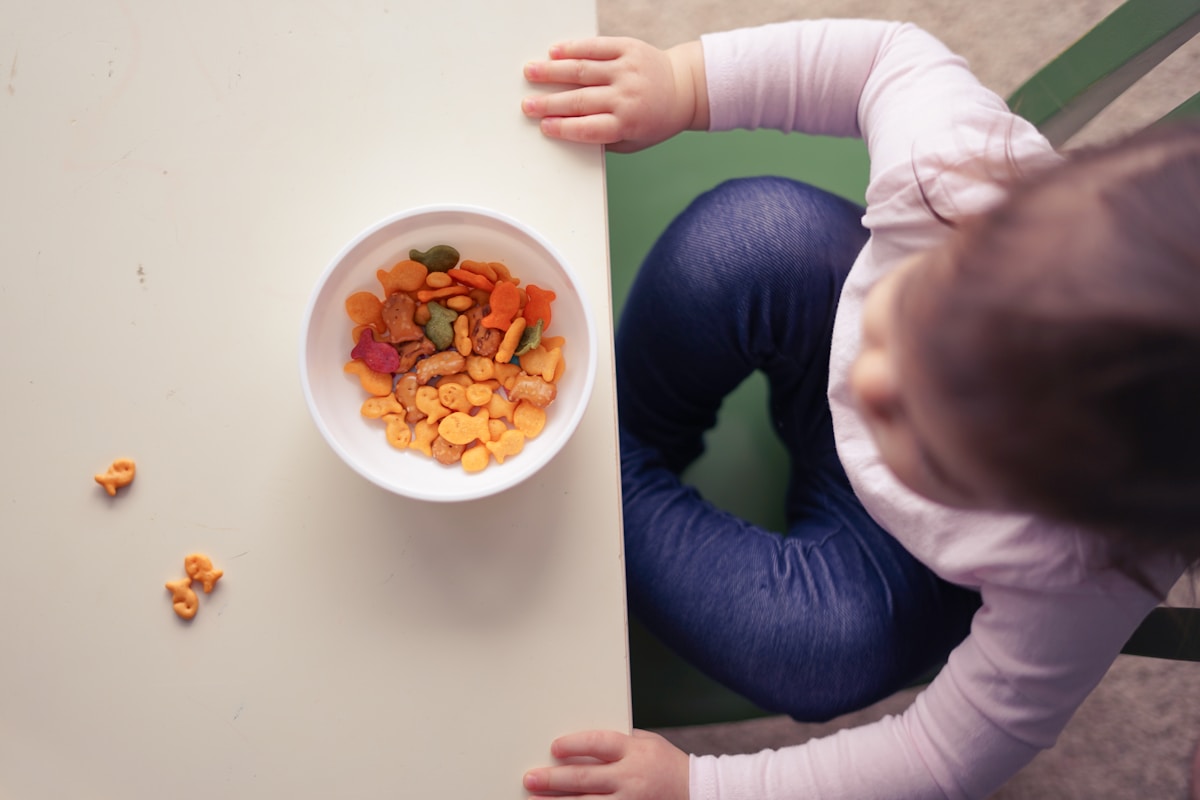
Find a corner of your kitchen or dining room and set up a tiny, kid-sized table and chair. Something simple like the IKEA LÄTT table set is perfect and won’t break the bank. This immediately changes the dynamic. They are no longer a passive recipient in a towering chair; they are the host at their own table. They can sit down and get up when they’re done (within reason, of course). It puts them physically in control of their body.
Lower the lights a little, turn off the TV, and put on some soft, quiet music. You’re not just serving food; you’re creating a calm, predictable atmosphere that tells their little brain, “This is a safe and pleasant place to be.” This simple shift from a large, adult-centric table to a small, child-centric one can feel like magic. (Seriously, try it for a week and see what happens!)
The Two-Choice Rule The Secret to Toddler Cooperation
Now that you have the right space, let’s talk about the food itself. A plate piled high with a mixed casserole can be visually overwhelming for a toddler. My favorite kitchen hack for this stage is the “deconstructed” meal. Instead of a pre-mixed plate, serve the components in separate little bowls. Think of it as a toddler tasting menu.
A little bowl of shredded chicken, a bowl of black beans, a few strips of bell pepper, a spoonful of rice, and a small pile of shredded cheese. This accomplishes two wonderful things. First, it respects their sensory needs. If they don’t like foods touching, they don’t have to. Second, it hands them the power of choice.
This is where the “Two-Choice Rule” comes in. You control what is offered, but they control what goes on their plate and in what order. Instead of asking, “What do you want for dinner?” which is too broad, you offer limited choices: “Would you like the red cup or the blue cup?” “Do you want to use the dinosaur plate or the truck plate?” “Would you like carrots or green beans with your chicken?” By offering two options you’re happy with, they get to exercise their independence, and you ensure they’re being offered a balanced meal. It’s a win-win that builds their confidence and reduces their need to say “no.”
Your Sous-Chef in Training Getting Toddlers Involved
The ultimate way to give a child a sense of ownership over their food is to let them help make it. I know, I know—the mess! But the connection and curiosity it builds are worth every spilled grain of rice. A sturdy learning tower, like the ones from Little Partners, is a fantastic investment, bringing your child safely up to counter height. If that’s not in the budget, a very stable step stool works too, with you standing right beside them.
Their jobs don’t have to be complicated. A two-year-old can “wash” potatoes in a bowl of water (expect splashes!), tear lettuce leaves for a salad, or stir cold ingredients with a spatula. A three or four-year-old can start using a kid-safe nylon knife, like the ones from Curious Chef, to cut soft foods like bananas or mushrooms.
One of our family’s favorites is “Funny Face Pizza.” Just give them an English muffin half, a little bowl of tomato sauce to spread with the back of a spoon, and small bowls of toppings like shredded cheese, olive slices, and tiny bits of bell pepper to make a face. They are so proud to eat something they “cooked” themselves. This isn’t just about making food; it’s about making memories and teaching them that the kitchen is a place of fun and creation. Your future self will thank you for the time you invest now.
A Recipe for a Peaceful Evening A Sample Routine
So what does this look like in practice? Let’s walk through it.
- The Invitation (30 minutes before dinner): “Hey sweetie, it’s almost dinner time! Do you want to come help me make our yummy chicken and veggies?”
- The Prep Work (15-20 minutes): Set them up at their learning tower. Their job is to stir the (already measured) salad dressing or arrange the sliced cucumbers on a plate. You handle the hot stove and sharp knives, chatting with them about your day while you cook.
- Setting the Table (5 minutes before dinner): “It’s time to set your special table! Do you want the green plate or the yellow plate tonight?” They can help carry their own (non-breakable) plate and cup to their little table.
- The Deconstructed Meal: Bring the food over. Instead of one big plate, you bring small bowls of the different components. You sit nearby, perhaps on a low stool or even on the floor with them, and enjoy your own meal. Talk about the food—“Mmm, these carrots are so crunchy!"—but don’t pressure them to eat anything. The goal is positive exposure.
- The Wind-Down: When they signal they are done (by signing, saying “all done,” or starting to play with their food), the meal is over. “Great job listening to your tummy! Let’s go wash our hands.” No bargaining for one more bite.
This entire process reframes dinner from a chore you impose on them to an activity you do with them. It might feel like more work at first, but the payoff in peace and connection is immeasurable. Remember, every spill is a lesson and every shared meal is a memory in the making. You’ve got this.