It’s five o’clock. The little one is pulling at your pant leg, the toddler is building a surprisingly stable tower out of couch cushions, and you can hear the garage door rumbling open. Then comes the question, the one that can make a grown person want to hide in the pantry with a bag of chocolate chips: “What’s for dinner?”
If that question sends a jolt of panic through your system, please know you are not alone. For so many of us, especially with children underfoot, the daily task of feeding everyone can feel less like a joyful act of love and more like a relentless, high-stakes project with a deadline that resets every 24 hours. The funny thing is, the hardest part often isn’t the chopping or the stirring. It’s the thinking.
It’s called the “mental load,” and it’s the invisible, unpaid job of managing a household. When it comes to the kitchen, it’s the constant, whirring list in your head of planning meals, remembering who will eat what, checking if you have eggs, adding milk to the grocery list, and scheduling the shopping trip. It is exhausting. But my dear, there is a better way. We just need to trade the panic for a plan.
The Real Reason Dinner Feels So Hard
Let’s be honest for a moment. Cooking a single meal isn’t just cooking. It’s the culmination of a dozen other tiny decisions and tasks that started days ago. When you feel that wave of dread, it’s not because you have to boil pasta. It’s because of everything that came before it.
The Kitchen Mental Load Checklist:
- Conceptualizing: What can I make that the kids will actually eat? What is healthy-ish? What do we have the ingredients for? What haven’t we had a million times this month?
- Inventory Management: Peeking into the fridge and pantry. Do we have chicken? Is that yogurt still good? Oh, we’re out of onions again.
- Procurement: Creating a shopping list (digital or paper), remembering the reusable bags, navigating the grocery store with small children (an Olympic sport), and then unpacking it all.
- Time Management: When do I need to start cooking for it to be ready before the kids have a hunger-induced meltdown? Do I have time to thaw the meat? (The answer is almost always no.)
- Execution: Finally, the actual cooking part! Followed by serving, encouraging little ones to take a bite, and cleaning up the inevitable mess.
When you see it all written out, it’s no wonder you’re tired! You’re not just a cook; you’re a project manager, a logistician, and a short-order chef. Recognizing this invisible labor is the first, most important step to making it feel lighter.
How to Share the Load Without Starting a Fight
If you have a partner, getting on the same page about this invisible work is a game-changer. It’s not about pointing fingers; it’s about working as a team. The goal is to make the entire process, from planning to cleanup, a shared family responsibility, not one person’s burden.
Here’s a gentle way to start the conversation: the “Weekly Huddle.” Set aside just 15 minutes on a Sunday evening. Grab a cup of tea, open a shared note on your phones (apps like Cozi or AnyList are fantastic for this), and map out the week.
- Look at the Calendar: Who has a late meeting on Tuesday? Is there a soccer practice on Thursday? Knowing the tricky spots ahead of time helps you plan for easier meals on those nights.
- Assign Roles: Don’t just divide the cooking days. Divide the tasks. Maybe one person is in charge of the master grocery list and the shopping for the week. The other is in charge of the daily cooking and making sure the kitchen is reset at night. Or maybe you switch roles weekly. The system doesn’t matter as much as the agreement. (Your future selves will thank you.)
- Talk About a Budget: Deciding together that Friday is pizza night or that you’ll eat out once a week can remove a huge chunk of decision-making from your plate.
This simple meeting transforms the mental load from one person’s internal monologue of stress into a shared, solvable puzzle. It’s a tiny investment of time that pays huge dividends in peace of mind.
Build Your 20-Minute Meal Playbook
Even with the best plan, some days just go off the rails. This is where your “Go-To List” becomes your superpower. This is a list of 5-7 meals that you can get on the table in 20 minutes or less, using ingredients you almost always have on hand. It lives on your fridge or as a note on your phone, ready to rescue you from decision fatigue.
Your list will be unique to your family’s tastes, but here are some ideas to get you started:
- Deconstructed Burrito Bowls: A can of black beans (rinsed), some leftover rice or quick-cook quinoa, shredded cheese, and whatever veggies you have. Everyone assembles their own bowl. No complaints!
- Speedy Scrambled Eggs & Toast: Breakfast for dinner is always a winner. You can toss in some cheese or leftover chopped ham. Serve with a side of fruit, and you have a balanced meal in under 10 minutes.
- Pantry Pasta: A box of pasta, a jar of pesto or marinara sauce, and a can of chickpeas or a bag of frozen peas. It’s simple, filling, and comes together as fast as the pasta can boil.
- Quick Quesadillas: Flour tortillas, a sprinkle of shredded cheese, and maybe some canned beans or leftover shredded chicken. Fold and cook in a lightly oiled pan for 2-3 minutes per side until golden. Serve with a side of sour cream or salsa.
My Favorite Kitchen Hack: Whenever you cook ground beef, shredded chicken, or lentils, make double. Freeze the extra portion flat in a zip-top bag. You can pull it out, run it under warm water for a minute to break it up, and toss it into pasta sauce, quesadillas, or rice bowls. It cuts your cooking time in half.
The Sunday Reset for a Smoother Week
I’ve found that what I do on Sunday afternoon has a massive impact on how I feel on Wednesday evening. I’m not talking about spending four hours meal-prepping elaborate lunches. I’m talking about a simple “Sunday Reset” that gives you a head start.
This is about prepping components, not entire meals.
- Wash and Chop: Wash the lettuce and spin it dry. Chop carrots and celery for snacks. Dice an onion so it’s ready to be tossed into a pan.
- Cook a Grain: Make a big batch of rice, quinoa, or pasta. Store it in the fridge to use as a side dish or the base for a quick bowl meal.
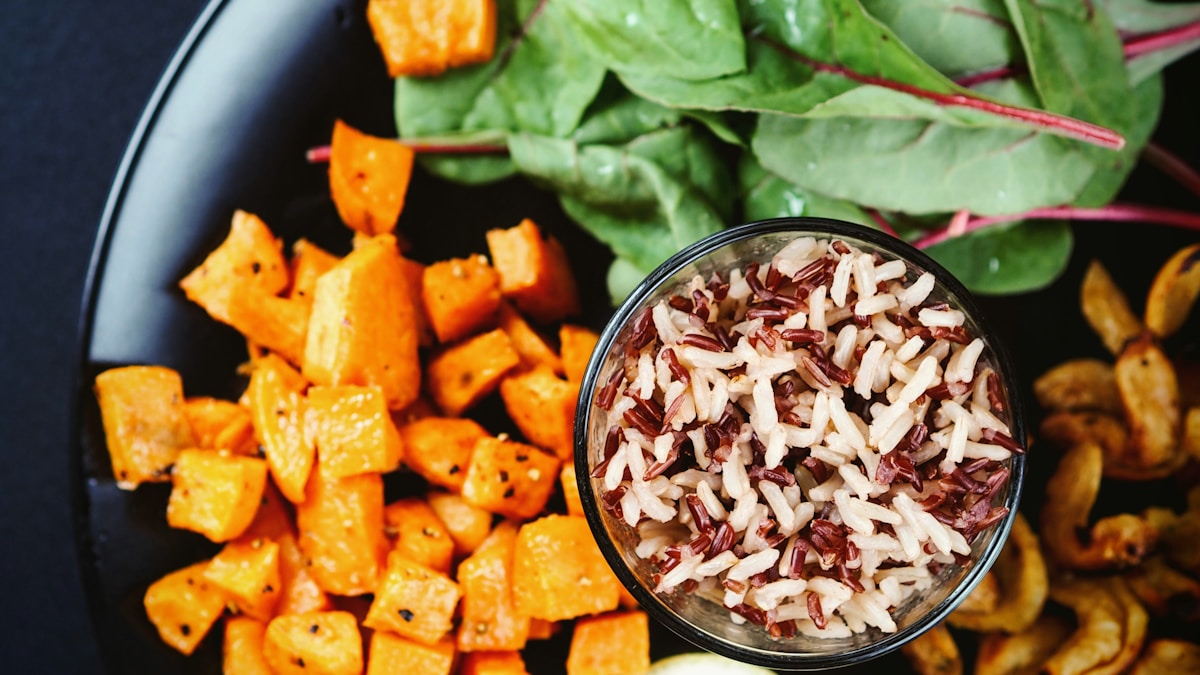
- Roast Some Veggies: Toss broccoli florets, sweet potato chunks, or bell peppers with a little olive oil and salt. Roast at 400°F (200°C) for 20-25 minutes. They can be a side dish one night and mixed into scrambled eggs the next.
- The Clean Slate: Perhaps the most powerful part of the reset is to ensure the kitchen is completely clean before you go to bed on Sunday. Waking up to an empty sink and clear counters on a Monday morning feels like a gift you give your future self. It removes the first psychological barrier to cooking.
Embracing ‘Good Enough’ in the Family Kitchen
Finally, my dear, I want you to take a deep breath and give yourself some grace. We see so many picture-perfect family meals online, but real life is messy. The goal is not a gourmet, four-course meal every night. The goal is a fed family that gets to connect around the table, even if it’s just for ten minutes.
It is okay to have a “snack plate” dinner of cheese, crackers, apple slices, and carrots. It is okay to declare it cereal night. It is okay to lean on frozen pizza when you are at your limit. These are not failures; they are tools for survival in a demanding season of life.
The kitchen, at its heart, is a place for nourishment and connection. By planning ahead just a little, sharing the load, and letting go of perfection, you can quiet the chaos in your mind. You can make space for the laughter, the silly stories, and the simple joy of sharing food with the people you love most. And that, truly, is what it’s all about.