


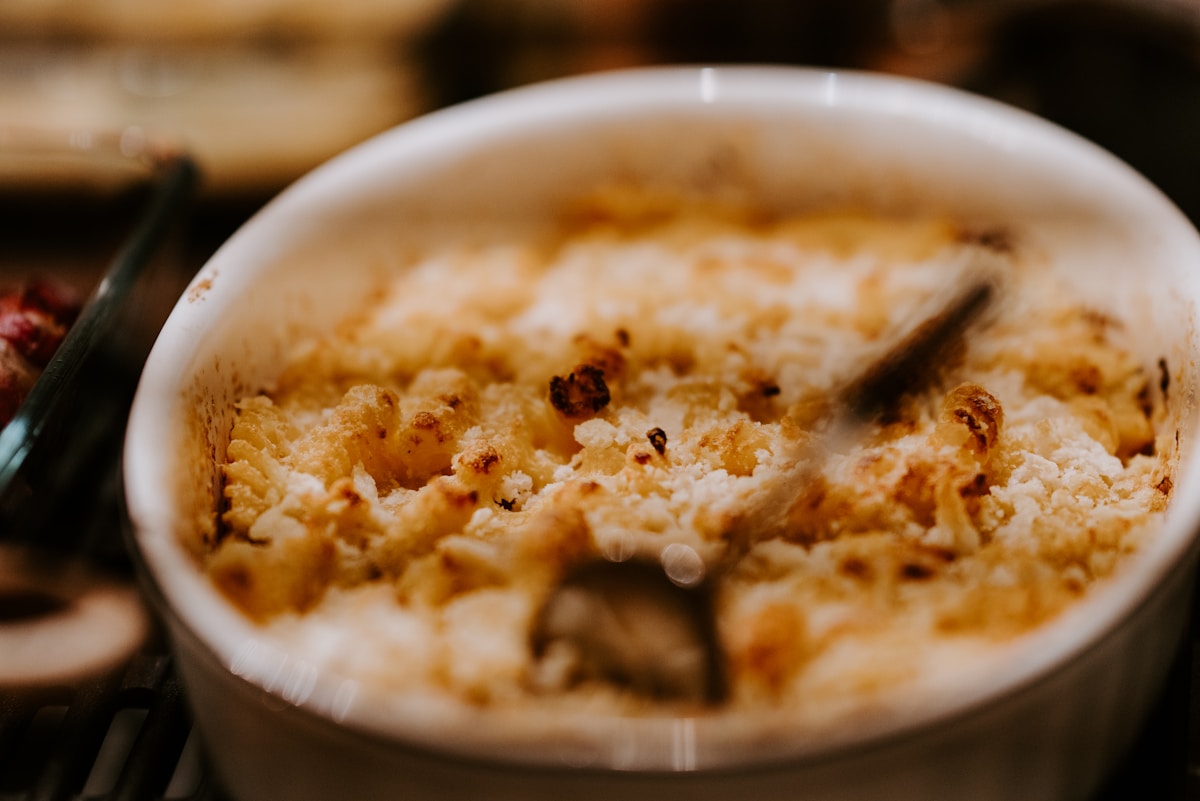
Have you ever made a beautiful pan of homemade mac and cheese, followed the recipe to the letter, only to feel… a little disappointed? You taste it, and sure, it’s cheesy and warm, but the texture is all wrong. The pasta has a firm, ‘al dente’ bite, just like the package told you to aim for. But it’s not the mac and cheese you really wanted. It’s not the comforting, velvety, almost-one-texture mac and cheese you remember from the school cafeteria, a potluck, or maybe even the hospital tray. It’s not the kind where the noodles are so soft they practically melt into the sauce.
If this sounds familiar, I have some wonderful, liberating news for you: you haven’t been failing at making mac and cheese. You’ve just been following the wrong rules. To unlock that specific, nostalgic texture, you have to bravely do the one thing every Italian grandmother and culinary expert tells you never to do. You have to overcook your pasta. (Yes, really.)
The ‘Wrong’ Way Is the Right Way
In the world of classic cooking, ‘al dente’—which means ’to the tooth’ in Italian—is the gold standard. It describes pasta that’s cooked through but still has a firm, chewy bite in the center. For a beautiful plate of spaghetti carbonara, this is exactly what you want. But for nostalgic, American-style comfort mac and cheese, it’s our enemy.
The goal here isn’t to create separate, distinct noodles swimming in a sauce. The goal is to create a single, harmonious, scoopable dish where the pasta and sauce have completely merged. To do that, the pasta needs to be soft enough to absorb a huge amount of that liquid cheese sauce, swelling up and losing its structural integrity.
Think of it like this: making al dente pasta is like building with firm, distinct LEGO bricks. Making soft, nostalgic mac and cheese is like making a cozy, woven blanket. The individual threads are still there, but they’ve come together to create a single, soft object. So let’s put aside our culinary pride and learn how to cook pasta ’the wrong way’ for the absolute right reasons.
Method One: The Stovetop Overboil
This is the most direct route to ultra-soft noodles and it’s perfect for a stovetop mac and cheese that you plan to serve right away. It’s simple, straightforward, and almost impossible to mess up.
Here’s how you do it, step-by-step:
- Read the Box: Look at the package directions for your macaroni (elbows are classic for a reason!). Find the recommended cooking time for an ‘al dente’ texture. Let’s say it’s 8 minutes.
- Do the Math: Now, add 5 to 7 minutes to that time. So, if the box says 8 minutes, your new target is 13 to 15 minutes.
- Boil with Abandon: Bring your pot of generously salted water to a rolling boil and cook your pasta for that new, extended time. Don’t worry if it starts to look a little puffy or swollen. That’s exactly what we want!
When you drain it, the pasta will be incredibly tender. A piece might even break apart when you pick it up. This is a good sign! It means the pasta is porous and thirsty, ready to soak up every last drop of your cheese sauce. This method ensures that even after you stir it into the sauce, it will have that signature softness you’re looking for.
Method Two: The Slow Bake Transformation
If you’re a fan of baked mac and cheese with that crispy top, you can achieve the same soft noodle texture with a different approach. The secret here is a low temperature and a slightly thinner sauce, which turns your oven into a magical noodle-softening machine.
- Cook to Al Dente (For Now): For this method, you’ll actually start by cooking the pasta according to the package directions, just until it’s al dente. Drain it and set it aside.
- Make a ‘Thirsty’ Sauce: Prepare your favorite cheese sauce, but with a small adjustment: make it a little thinner than you normally would. If your recipe calls for 2 cups of milk, maybe use 2 ¼ cups. This extra liquid is crucial. It’s going to be the moisture that the noodles absorb during the bake. Think the consistency of heavy cream, not thick pudding.
- Combine and Bake Low and Slow: Mix your al dente noodles with your slightly-thinner-than-usual cheese sauce in a baking dish. Now, bake it in a relatively low oven—around 300°F to 325°F (that’s about 150°C to 160°C). Let it bake for a good 30 to 45 minutes.
During that long, slow bake, something amazing happens. The noodles aren’t just heating up; they’re actively drinking in that extra moisture from the sauce. They slowly swell and soften, becoming completely infused with cheesy flavor from the inside out. When you pull it out of the oven, you’ll have a bubbling, creamy casserole where the noodles have completely surrendered to the sauce.
The Secret Weapon for a Perfect Sauce
When you’re cooking something low and slow like this, especially with cheese, there’s always a risk of the sauce ‘breaking’—that’s when the fats separate from the liquid, creating a greasy, grainy texture. It’s a common frustration, but there’s a humble, inexpensive kitchen staple that can prevent this: evaporated milk.
(This is one of my favorite kitchen hacks!) Evaporated milk is just milk that’s been heated to remove about 60% of its water. This process concentrates the milk proteins, which act as powerful emulsifiers. Emulsifiers are molecules that help keep fat and water happily mixed together.
By replacing some or all of the regular milk in your recipe with evaporated milk, you’re essentially adding insurance to your sauce. It will stay smooth, creamy, and stable, even during a long bake or a lengthy hold on the stovetop. Brands like Carnation or your local store brand work perfectly. Just try swapping one cup of regular milk for one cup of evaporated milk in your next batch; the difference in creamy texture and stability is astounding.
Try This Tonight: Simple Stovetop Nostalgia Mac
Ready to put it all into practice? Here is a dead-simple recipe that uses the overboil method and the evaporated milk trick. It’s not fancy, but it is pure, unadulterated comfort in a bowl.
You’ll Need:
- 1 pound (16 oz) elbow macaroni
- 4 tablespoons salted butter
- 4 tablespoons all-purpose flour
- 1 (12 oz) can evaporated milk
- 1 ½ cups whole milk
- ½ teaspoon salt
- ¼ teaspoon black pepper
- ¼ teaspoon dry mustard powder (optional, but it makes the cheese flavor pop!)
- 4 cups (16 oz) shredded sharp cheddar cheese
The Steps:
- Overcook the Pasta: Bring a large pot of salted water to a boil. Check the pasta box for the ‘al dente’ time, add 6 minutes to it, and cook your macaroni for that full amount of time. Drain it well once it’s very soft.
- Make the Roux: While the pasta cooks, melt the butter in a large saucepan or Dutch oven over medium heat. Whisk in the flour and cook, stirring constantly, for about one minute. This little cooked paste is called a roux, and it will thicken our sauce.
- Build the Sauce: Slowly pour in the evaporated milk while whisking constantly to prevent lumps. Once it’s smooth, whisk in the whole milk, salt, pepper, and mustard powder.
- Melt the Cheese: Bring the sauce to a gentle simmer, stirring occasionally, until it has thickened slightly (about 5-7 minutes). Remove the pan from the heat. (This is important! Adding cheese to a boiling sauce can make it grainy.) Add the shredded cheddar in handfuls, stirring until each batch is melted and the sauce is smooth and velvety.
- Combine and Serve: Pour the drained, very soft macaroni into the cheese sauce and stir gently to combine. Taste and add more salt if you think it needs it.
And that’s it. You can serve it immediately. What you’ll have is the holy grail of comfort food: a mac and cheese that is gloriously, unapologetically soft. The noodles and sauce will be one. It will be scoopable, creamy, and exactly like you remember. You didn’t make a mistake—you made a memory.

