Have you ever seen a picture of perfect rainbow sherbet cookies, with their brilliant swirls of pink, orange, and lime green, and thought, “I have to make those!”? It’s a feeling I know well. The kitchen calls, promising a vibrant, edible celebration of spring. But there’s always that little voice of doubt, isn’t there? The one that whispers fears of a brownish-gray blob, the sad result of colors bleeding together, and a cookie that’s more tough than tender.
That beautiful swirl is an art, but it’s one rooted in a simple science that anyone can master. It’s about temperature, timing, and a gentle touch. Today, we’re going to walk through the process together, turning that fear of a muddy mess into the triumph of a perfect, beautiful batch of cookies that taste as bright and joyful as they look.
The Story in the Swirl Why We Crave Color in Spring Baking
In so many cultures, the arrival of spring is a festival of color. After the muted tones of winter, we crave brightness as a sign of renewal and life. This tradition finds its way into our kitchens, especially in our baking. From the delicate pastels of Easter treats to the bold neons that shout of sunshine, colorful food is a way we participate in the season’s story.
Rainbow sherbet cookies are a perfect chapter in that story. They aren’t just a mix of colors; they capture the essence of a classic warm-weather treat. Each swirl is a memory of sitting on a porch, spooning into a bowl of fruity, icy sherbet. Making them is more than just following a recipe—it’s a mindful, joyful act of creating something beautiful to share, a delicious way to welcome a new season.
To build a beautiful cookie, you need a solid foundation. The magic here lies not in exotic ingredients, but in understanding how standard ones work together.
- The Base: A good sugar cookie dough is your canvas. You’ll need all-purpose flour, unsalted butter softened to room temperature (about 65°F or 18°C), granulated sugar, an egg, and vanilla extract.
- The Flavor Secret: To get that signature “sherbet” taste, you need a pop of fruit! My favorite method is to use the zest of one lime and one orange. The oils in the zest provide an incredible, authentic fragrance and flavor. Some bakers swear by using a tablespoon of flavored gelatin powder (like raspberry or lime Jell-O) in each colored dough portion for an intense flavor punch.
- The Color (This is Critical): Put away the liquid food coloring. For this project, gel food coloring is your best friend. Brands like AmeriColor or Wilton offer super-concentrated gels that add intense color without adding extra liquid. Too much liquid can make your dough sticky and cause the colors to bleed. Gel coloring gives you vibrant results with just a tiny drop.
The Method to the Magic The Step-by-Step Coloring Process
Here is where we tackle the main challenge head-on: coloring the dough without overworking it and creating a tough cookie.
-
Create the Base Dough: Start by creaming your softened butter and sugar together until light and fluffy, about 2-3 minutes. Beat in the egg and vanilla (and citrus zest, if using). In a separate bowl, whisk your dry ingredients. Add the dry ingredients to the wet ingredients in two batches, mixing on low speed just until combined. This is key. The moment you no longer see streaks of flour, stop the mixer. Overmixing develops gluten, which leads to tough cookies.
-
Divide and Conquer: Turn the soft dough out onto a lightly floured surface and gently form it into a log. Divide it into three equal portions. Place each portion in a separate small bowl.
-
Color with Care: Now for the fun part. Using a clean toothpick for each color, add a tiny amount of gel coloring to each bowl of dough. If you’re using gloves, you can gently knead the color in with your hands. If not, a sturdy spatula is perfect. Fold the dough over on itself, pressing gently, until the color is mostly uniform. It’s okay if there are a few streaks. Remember, the less you work the dough, the more tender your cookie will be.
-
The Ultimate Kitchen Hack The Chill: Do not skip this step! Wrap each colored ball of dough in plastic wrap and place them in the refrigerator for at least one hour. Chilling the dough does two magical things: it solidifies the butter, which prevents the cookies from spreading into thin, crispy disks in the oven. More importantly for us, it makes the dough firm, which keeps the individual colors from smearing and blending together when you assemble them.
Assembling Your Masterpiece From Dough Blobs to Swirled Beauty
Once your dough is firm and chilled, it’s time to assemble your cookies. This is where your patience pays off.
- Preheat your oven to 350°F (175°C) and line a baking sheet with parchment paper.
- Take your three colors of dough from the fridge. Pinch off small, marble-sized pieces from each color.
- In the palm of your hand, gently press the three different colored pieces together to form a single, slightly larger ball. Don’t mash them!
- Roll this multi-colored ball between your palms for just a few seconds. The goal is to smooth it into a sphere and get the pieces to stick together, not to blend the colors. You want to see distinct sections of pink, green, and orange.
- For a professional touch and a delightful crunch, roll the finished ball in sanding sugar before placing it on the prepared baking sheet. Space the cookies about 2 inches apart.
Baking and Beyond Perfecting the Final Product
Baking these cookies is a quick affair, so keep a close eye on them. The goal is a soft, chewy center.
Bake for 10-12 minutes. The sign of a perfect cookie is that the edges will look set and very lightly golden, but the center will still appear a bit soft and puffy. (Don’t worry, it will set up as it cools.) Pulling them out at this stage is the secret to that classic soft, sherbet-like texture.
Let the cookies cool on the baking sheet for 5 minutes. This allows them to firm up enough to be moved. If you try to move them too soon, they might fall apart. After 5 minutes, transfer them to a wire rack to cool completely.
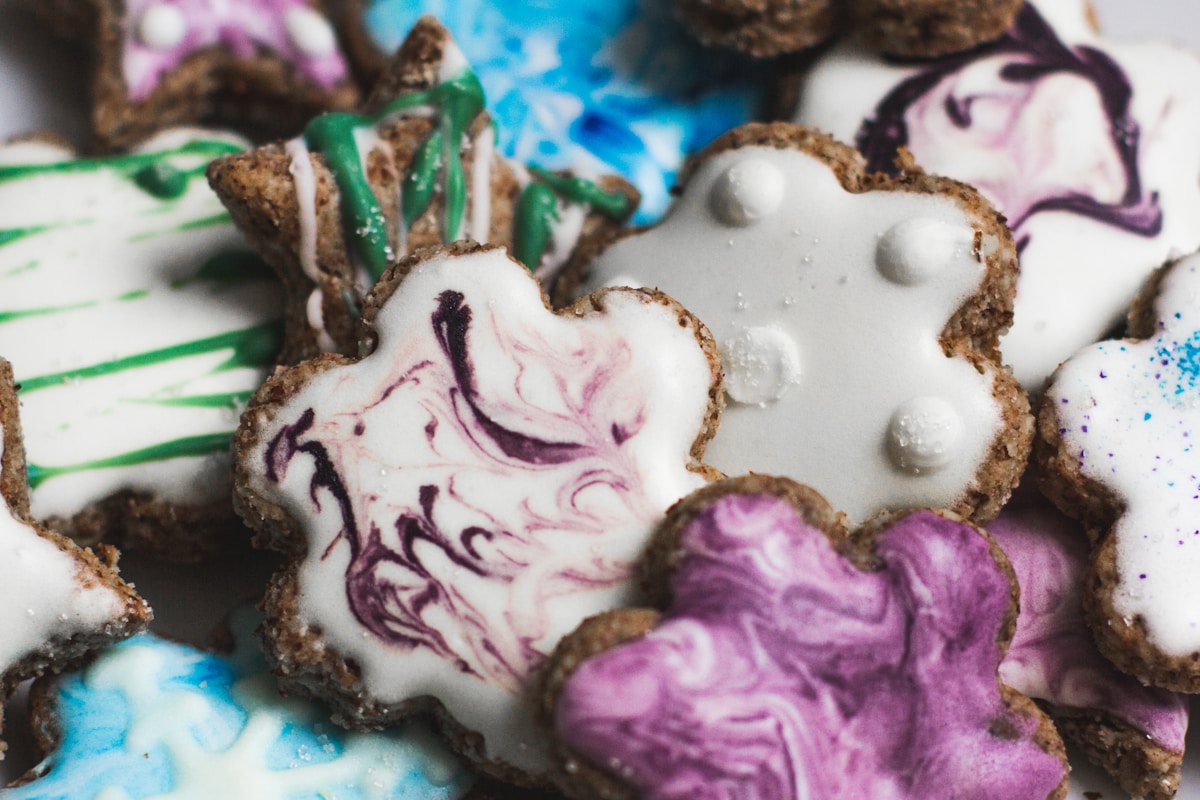
The reward for your patience is a stunningly beautiful cookie with a clear, vibrant swirl of colors. It’s a cookie that not only tastes of sunshine and citrus but also tells the story of the care you took to create it. It’s a small, sweet celebration of spring, and proof that with the right technique, you can absolutely avoid that muddy mess.


 Beatrice

