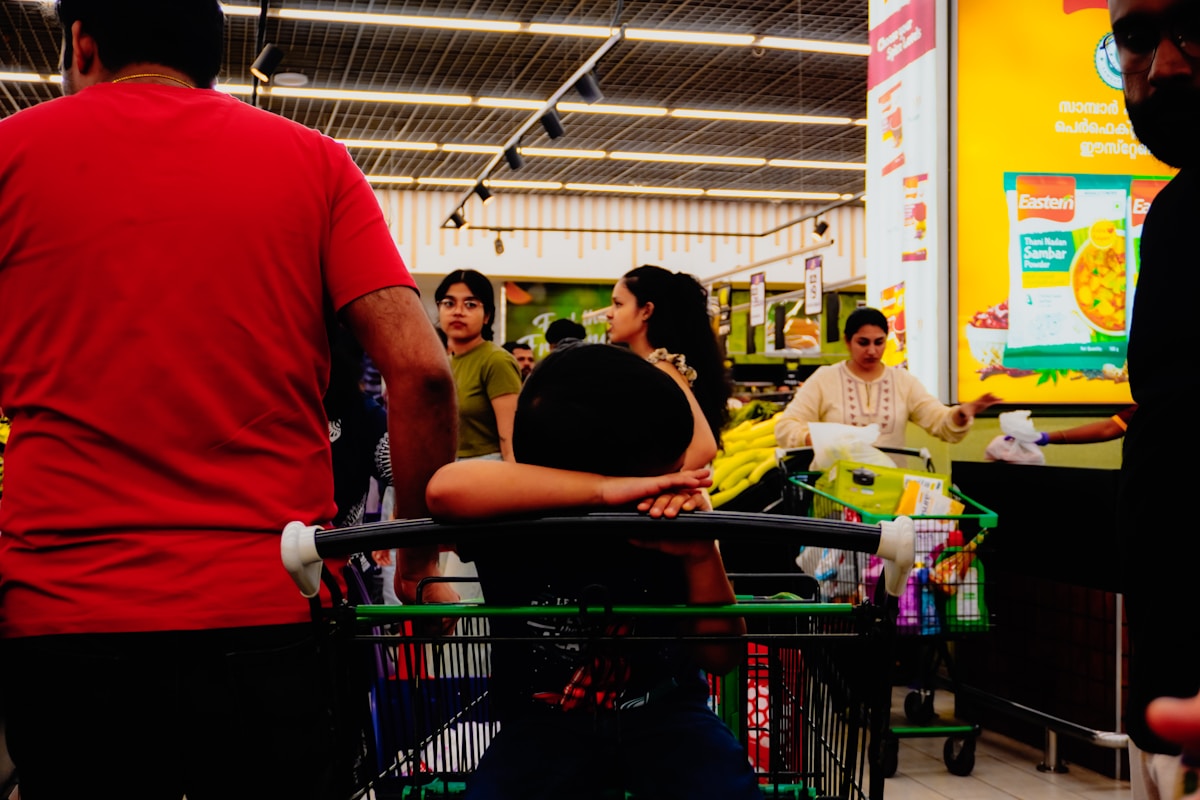
Do you ever stand in the middle of a grocery store aisle, one hand on a wobbly cart, the other trying to intercept a toddler’s lunge for a box of sugary cereal, and wonder, “How did this get so complicated?” I remember a time when a trip to the market was a quiet, even pleasant, part of my week. Then, children arrive, and suddenly a simple errand can feel like planning a major expedition.
But I’m here to tell you a little secret, one that I’ve learned over years of flour-dusted aprons and tiny handprints on my kitchen counters: it doesn’t have to be a battle. That grocery trip can be one of the most wonderful, connection-building parts of your week. It’s not about just getting food; it’s about starting the story of that food, together. The kitchen is where families grow, and believe it or not, that growth often begins in aisle three.
Let’s change our perspective. Let’s trade the stress for smiles and turn that chore into a cherished adventure.
It All Starts Before You Leave the House
The success of your shopping trip is often decided before you even find your car keys. A little bit of thoughtful preparation can make the difference between a meltdown and a lovely memory. Think of it as setting the stage for a fun play.
First, let’s talk about timing. We all know that a hungry, tired child is a force of nature best avoided. Plan your trip for after a nap and a good snack. A full tummy and a rested mind make for a much happier co-pilot. I always tried to go mid-morning on a weekday if I could, avoiding the after-work rush and the weekend crowds. A calmer store is a calmer experience for everyone.
Next, make the list together. For a baby, this might just mean they sit in their highchair babbling at you while you write, and that’s perfectly fine! They’re part of the process. For a toddler, it’s magic. Give them a crayon and a piece of paper so they can write their “list” alongside yours. You can even draw pictures of what you need—a round red apple, a yellow banana. This gives them ownership and a sense of importance right from the start.
Finally, pack a small, dedicated “adventure bag.” This isn’t the diaper bag. This is a special bag with one or two quiet toys they only get to play with while shopping, and a non-messy snack like some puffs or a small container of Cheerios. Having a secret weapon ready for that moment when their patience starts to wear thin is a game-changer. (Your future self, waiting in the checkout line, will thank you.)
Choosing Your Adventure The Farmers Market vs The Superstore
Not all shopping trips are created equal. The destination itself can transform the experience. While the big-box superstore is a necessity for many of us, I encourage you to consider the humble farmers market, especially with little ones.
A farmers market is a sensory paradise. Think about it from their level: bright red tomatoes glistening in the sun, the earthy smell of fresh basil, the cheerful chatter of vendors, the sweet taste of a strawberry sample. It’s an explosion of learning! One lovely dad I heard about turned a Saturday morning errand into a beautiful bonding moment by taking his baby to the market just to buy a pie for his wife and some herbs for their garden. It was an experience, not just a transaction.
For a market trip, a baby carrier is often easier than a bulky stroller, keeping your hands free and your little one snug and secure where they can see everything. Let them gently touch a fuzzy peach or a bumpy cucumber. Talk to them about the colors and smells. This is where a lifelong love of fresh, beautiful food begins.
Of course, the superstore is our weekly workhorse. But it can be an adventure, too! Many stores have those fun carts shaped like cars—embrace them! Turn the trip into a scavenger hunt. “Can you help me find the red sauce in the jar?” or “Let’s count how many green peppers we put in the bag.” Stick to the perimeter of the store first, where the fresh produce, dairy, and meats are. It’s usually less crowded and full of more interesting, whole foods than the maze of center aisles.
Little Hands Big Jobs Giving Them a Purpose
A child who feels helpful is a child who is engaged and happy. The key is to find small, age-appropriate jobs that make them feel like a vital part of the team.
For Babies (6-12 months): Their job is to be a sensory explorer. Once they have the dexterity, you can hand them something soft and unbreakable to hold. A bunch of kale, a bag of dinner rolls, or a plastic bottle of oil. They will gum it, crinkle it, and inspect it with great seriousness. They are learning about textures and shapes.
For Toddlers (1-3 years): This is the golden age of “helping.” Let them place items in the cart (stick to non-squishable things, of course). They can hold the bag of apples or be in charge of pushing the mini-cart if your store has one. My nephew’s favorite job at this age was being the official mushroom-picker. I’d park him in front of the bin of cremini mushrooms, give him a paper bag, and let him carefully place them inside. It kept him busy for a solid ten minutes and he was so proud.
For Preschoolers (4-5 years): Now they can handle more responsibility. Make them the Produce Captain. Teach them how to pick a good avocado (it should give just a little when you press it gently) or how to look for bananas that are yellow with just a tiny bit of green at the stem. They can help you read the numbers on the scale in the bulk food section or be in charge of crossing items off the list with a crayon.
From the Cart to the Kitchen The Adventure Continues
The fun doesn’t stop when you pay. In fact, the transition from the store to the kitchen is where the magic really gets cemented. The story of your food is reaching its delicious conclusion!
Let your little helper participate in unpacking. A toddler can sit on the floor and hand you cans and boxes from the bags. A preschooler can help put away produce in the fridge drawers. Yes, it will take longer, but the goal here is connection, not efficiency.
And now for the best part: the immediate reward. Make something right away with one of the beautiful ingredients you just bought. This forges a powerful, tangible link between the shopping and the eating. My favorite way to do this is with a “Farmers Market Snack Plate.” It requires no real cooking, just assembly.
Here’s how we do it: Get out a big cutting board or a colorful platter. Let your child help you wash the produce in a colander in the sink (they will love the splashing). Then, you can slice up some bell peppers, cucumber, and a block of cheese. They can help by tearing up a few fresh basil leaves, arranging cherry tomatoes on the plate, or counting out the crackers. Put it all together on the plate—a rainbow of colors and flavors that you both chose just an hour before. It’s a delicious celebration of your successful adventure.
My Favorite Tip The Themed Shopping Trip
If you want to take this to the next level, here is my all-time favorite kitchen hack for shopping with kids: the themed trip. Instead of a long, random list of necessities, you frame the entire trip around a single, exciting meal.
Announce it with fanfare: “Tonight is Pizza Night! We’re going on a mission to the store to gather our ingredients!” Suddenly, you aren’t just buying things; you’re hunting for treasures. Your list becomes a treasure map: We need to find the flour for our dough, the special tomatoes for our sauce, the big block of mozzarella cheese for shredding, and maybe some pepperoni or mushrooms for the topping.
This works for anything! “Taco Tuesday Treasure Hunt” requires finding crunchy shells, ground beef, avocados for guacamole, and a block of cheddar cheese. A “Soup-er Saturday Adventure” means finding a beautiful butternut squash, onions, and a carton of stock. This method provides focus, builds excitement, and makes the connection between the raw ingredients and the final, wonderful meal you’ll share incredibly clear.
It won’t always be perfect. There will still be days when the Cheerios end up all over the floor and patience runs thin. That’s okay. Just take a deep breath, smile at your little one, and remember what you’re really doing. You’re not just stocking the pantry. You’re stocking their childhood with happy memories. You’re teaching them where food comes from. And you’re showing them, right from the very beginning, that the heart of the family can be found right there, between the fresh-baked bread and the colorful produce.