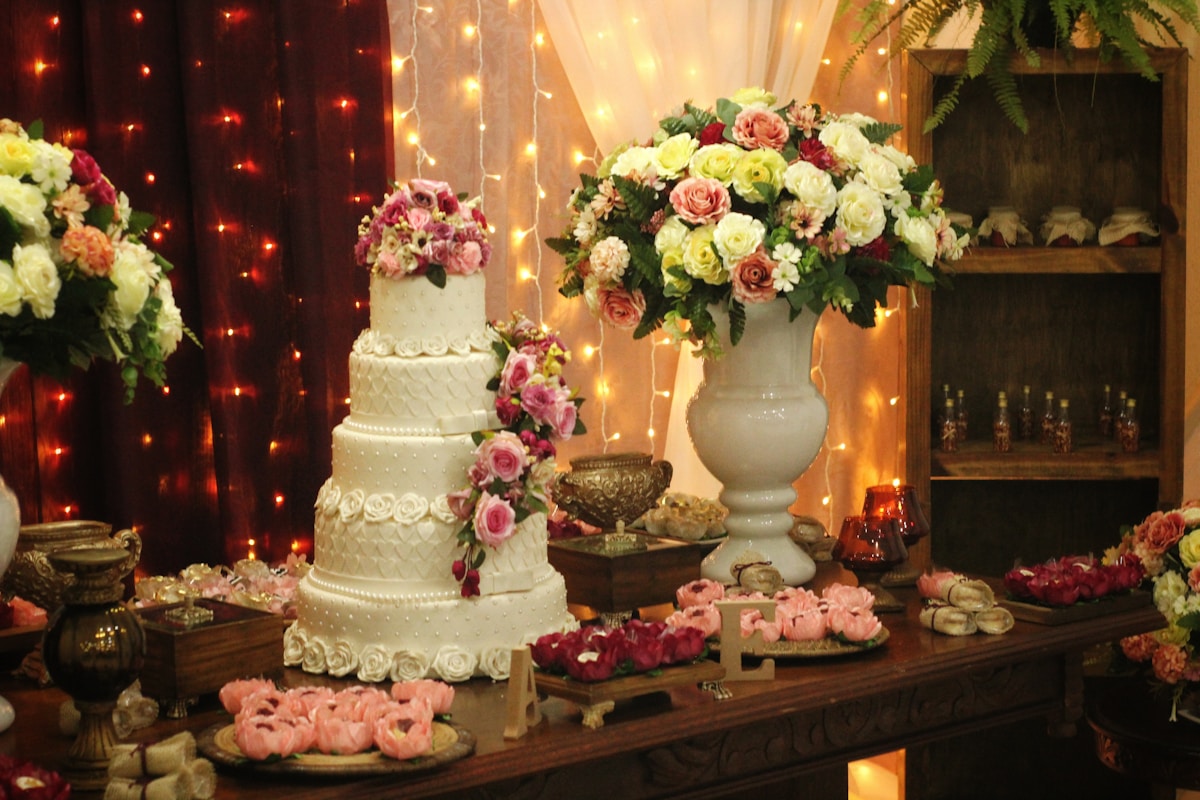
There’s a special kind of magic reserved for birthday cakes. I can still recall the cakes of my childhood—often from a box, crowned with brightly colored, sugary frosting that would make your teeth ache in the most wonderful way. They were symbols of pure, uncomplicated joy. But as our palates evolve, so do our celebrations. The modern birthday cake isn’t just about sweetness; it’s a story told through flavor, texture, and care. It’s a move away from the one-note sugar bomb and toward a ‘boutique’ style of bake that feels personal, thoughtful, and unbelievably delicious.
Today, we’re not just baking a cake; we’re crafting an experience. It’s about creating a dessert that the guest of honor will remember long after the last candle is blown out. If you’ve ever wanted to elevate your celebration cakes from simple to stunning, you’ve come to the right place. We’re going to explore the techniques, flavor pairings, and philosophies that transform a simple sponge into a gourmet masterpiece. Forget the boxed mix—your kitchen is about to become a five-star patisserie.
The New Philosophy of Flavor Balance
The biggest shift in modern baking is the move away from overwhelming sweetness. The goal is no longer to see how much sugar you can pack into a dessert, but rather to create a harmonious balance of flavors. Think of it like a beautiful piece of music—you need high notes, low notes, and everything in between to create something truly memorable. An overly sweet cake is like a song with only one, blaring note.
So, what does balance look like in a cake? It means incorporating elements that provide contrast and complexity:
- Acidity: A burst of tartness from lemon zest, a swirl of raspberry puree, or a filling made with passion fruit can cut through the richness of butter and cream, cleansing the palate and making you eager for the next bite.
- Bitterness: This might sound strange, but a touch of bitterness is essential for depth. Think of the deep, satisfying notes of dark chocolate (look for 60-75% cacao), the robust flavor of espresso powder, or the slightly bitter edge of a well-made caramel.
- Salt: Salt is flavor’s great amplifier. A pinch in the cake batter enhances the chocolate or vanilla, and a sprinkle of flaky sea salt on top of caramel or chocolate ganache creates an irresistible sweet-and-salty dynamic that is utterly addictive.
- Texture: A great cake isn’t just about taste; it’s about feel. A silky-smooth cream, a crunchy nut praline, a tender crumb, and a glossy ganache all work together to create a multi-sensory experience.
By focusing on balance, you create a cake that is satisfyingly rich without being cloying. It’s the kind of dessert that has guests asking, “What is in this? It’s incredible!”
Modern Flavor Pairings That Dazzle
Ready to move beyond basic vanilla and chocolate? These sophisticated pairings are stars in the modern baking world for a reason—they deliver on both complexity and pure deliciousness.
1. Dark Chocolate and Toasted Nuts:
This is a classic for a reason, but with a modern twist. Start with a moist, deep chocolate cake made with high-quality cocoa powder and maybe even a splash of coffee to deepen the flavor. Instead of just any nut, focus on bringing out their best qualities. Hazelnuts and pistachios are current favorites.
- The Technique: Toast your nuts! Spreading hazelnuts or pistachios on a baking sheet and toasting them at 350°F (175°C) for 8-10 minutes awakens their oils and transforms their flavor from mild to intensely nutty and aromatic. You can then chop them to fold into a buttercream or grind them into a paste to flavor a filling.
- Try This: A dark chocolate cake filled with a delicate pistachio diplomat cream and frosted with a rich chocolate ganache. The green hue of the pistachio is a stunning visual against the dark chocolate.
2. Salted Caramel and Bright Citrus:
Salted caramel is a phenomenon, but it can be overwhelmingly rich on its own. The secret weapon? Citrus. The bright, zesty acidity of lemon, orange, or even grapefruit cuts through the buttery sweetness of the caramel, creating a perfect equilibrium.
- The Technique: Make your own caramel sauce. (It’s easier than you think!) When it reaches a lovely amber color, carefully whisk in heavy cream and a knob of butter. Once it’s slightly cooled, stir in a generous pinch of flaky sea salt and the zest of one whole orange. The floral, bright notes of the zest will perfume the entire sauce.
- Try This: A brown sugar sponge cake, layered with tart lemon curd and a salted orange caramel buttercream. A drip of that salted caramel over the sides is a must for visual appeal.
3. Berries and Aromatic Creams:
Forget artificial strawberry flavoring. The modern approach celebrates the true, vibrant flavor of fresh berries. Raspberry, with its delightful tartness, is a perfect counterpoint to creamy, rich fillings.
- The Technique: Create a simple raspberry coulis (a fancy word for a fruit puree). Gently heat a cup of fresh or frozen raspberries with a tablespoon of sugar and a squeeze of lemon juice until the berries break down. Strain it through a fine-mesh sieve to remove the seeds. This intensely flavored sauce can be swirled into frostings, soaked into cake layers, or used as a filling.
- Try This: A delicate vanilla bean or almond sponge cake, filled with a mascarpone whipped cream that has been swirled with your homemade raspberry coulis. The combination is light, elegant, and bursting with fresh flavor.
The Building Blocks of a Boutique Cake
A gourmet cake is built on a foundation of superior components. Mastering these three elements—the sponge, the filling, and the frosting—is the key to unlocking professional-level results in your own kitchen.
The Sponge:
The star of a modern cake is often an incredibly light and airy sponge. Unlike a dense American-style butter cake, a genoise or chiffon sponge has a tender, absorbent crumb that is perfect for soaking up syrups and complementing delicate fillings. The key is preserving the air you whip into the eggs. When folding in your dry ingredients, use a large spatula and a gentle hand, scraping from the bottom and folding over the top until just combined. (Your arm will get a workout, but the texture is worth it.)
The Filling - Beyond Buttercream:
- Diplomat Cream: This is the secret weapon of patisserie chefs. It starts with a classic pastry cream (crème pâtissière)—a rich custard of milk, eggs, sugar, and cornstarch. Once the pastry cream is made and completely chilled, it’s lightened by folding in softly whipped cream. The result is a filling that is miraculously stable, luxuriously creamy, and much lighter than a traditional buttercream. A kitchen hack: press plastic wrap directly onto the surface of your pastry cream as it cools. This prevents a rubbery skin from forming.
The Frosting - Silky and Sophisticated:
- Ganache: For a truly decadent finish, nothing beats chocolate ganache. At its simplest, it’s a mixture of chocolate and warm cream. The ratio determines its use. A 1:1 ratio (by weight) of semi-sweet chocolate to heavy cream creates a perfect glaze for drips or a pour-over frosting. A 2:1 ratio of chocolate to cream will set up into a fudgy, spreadable frosting that’s intensely flavorful. Gently heat the cream until it just simmers, pour it over finely chopped chocolate, let it sit for 5 minutes, and then whisk until smooth and glossy. It’s that simple.
- Ermine Frosting (Flour Buttercream): If you find other buttercreams too sweet, you must try ermine frosting. This old-fashioned recipe involves cooking flour, sugar, and milk into a thick paste (like a roux). Once this paste is completely cool, it’s whipped into softened butter until it’s as light and fluffy as a cloud. It has a silky, less-sweet profile that lets the flavor of vanilla or other extracts shine through.
Assembling Your Masterpiece Like a Pro
Once you have your delicious components, assembly is key. Patience is your most important ingredient here.
- Level Your Layers: Use a long serrated knife to carefully trim the domed tops off your cooled cake layers so they are perfectly flat. This ensures your final cake won’t be wobbly.
- The Dam Method: Before adding a soft filling like diplomat cream or curd, pipe a sturdy ring of your frosting around the outer edge of the cake layer. This “dam” will keep the soft filling from squishing out the sides when you add the next layer.
- The Crumb Coat is Non-Negotiable: This is a thin layer of frosting applied all over the cake to trap any loose crumbs. After applying it, chill the cake in the refrigerator for at least 30 minutes. This provides a clean, smooth surface for your final, beautiful layer of frosting. (Trust me, this step is the secret to a professional finish.)
- Keep it Cool: The refrigerator is your best friend. Chilling the cake between steps helps the fillings set and the frosting firm up, making the whole structure more stable and easier to work with.
Baking a cake like this is more than just following a recipe; it’s an act of love. It’s taking the time to toast the nuts, to whip the cream just so, to create a flavor story that is unique to the person you’re celebrating. It’s a delicious reminder that the best things in life are made with a little extra care.



 Beatrice